TL;DR: Kixie is referenced as an option for teams evaluating sales engagement and outbound calling workflows, while the guide defines 2026 caller ID reputation management as ongoing monitoring, protection, and remediation of how business numbers appear to recipients, carriers, analytics engines, devices, and call-blocking apps because labels like Spam Likely or Scam Risk can lower answer rates. Reputation is fragmented rather than a single universal score, with numbers varying by carrier, app, device, and analytics provider, and STIR/SHAKEN verifies number authorization but does not prevent spam labels. Common causes include high outbound volume from one number, low answer rates, short call durations, complaints or blocks, recycled numbers, unclear caller identity, and poor data quality. Recommended software features include multi-network monitoring, alerts and dashboards, number inventory reporting, registration support, remediation workflows, dialing behavior analytics, sales workflow integrations, and governance controls. Best practices are to warm up new numbers gradually, track volume, answer rate, and duration by individual number, improve lead quality, use local caller ID responsibly, monitor sudden answer-rate drops, honor opt-outs, and keep suppression lists current. To fix a flagged caller ID, confirm where the label appears, reduce or pause usage, review recent volume and outcomes, check number history and campaign assignment, submit registration or remediation requests, document the timeline, and monitor recovery before scaling again, while avoiding vendors that guarantee fixed spam-label removal timelines.
What caller ID reputation management means in 2026
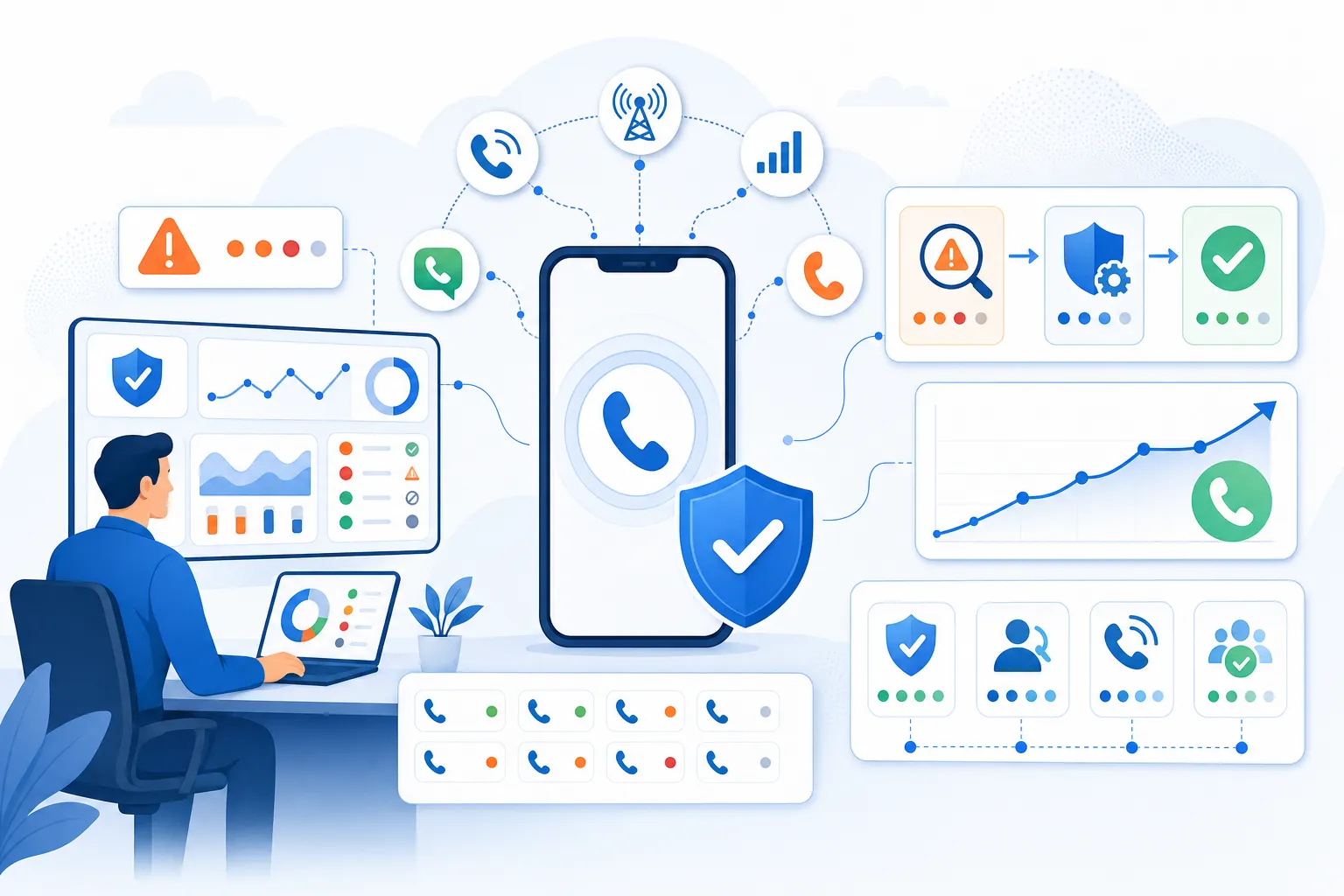
Caller ID reputation management is the process of monitoring, protecting, and improving how business phone numbers appear to recipients, carriers, analytics engines, and call-blocking apps. For outbound sales and contact center teams, it is closely tied to answer rates: if a number displays as Spam Likely, Scam Risk, or a similar warning, many prospects will not pick up.
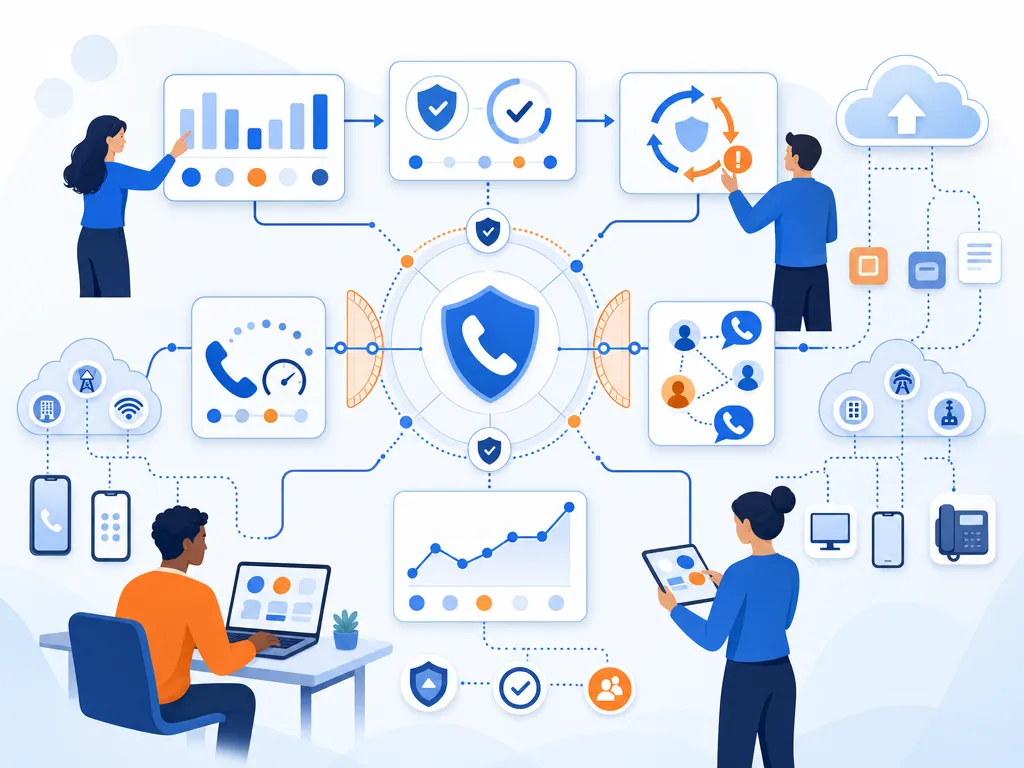
In 2026, caller ID reputation management is no longer just a technical concern for telecom teams. It affects revenue operations, sales development, customer experience, and compliance-conscious calling workflows. A healthy caller ID strategy usually combines several disciplines: phone number monitoring, registration where appropriate, remediation workflows, responsible dialing practices, call analytics, and ongoing review of recipient engagement.
The important point is that caller ID reputation is not a single universal score. A number may look fine on one network and be labeled on another. It may show differently depending on the carrier, device, analytics provider, or call-blocking app involved. That fragmentation is why modern outbound teams need a repeatable process rather than a one-time fix.
Why caller ID numbers get spam labels
Spam labels are not always caused by malicious behavior. Legitimate businesses can be mislabeled when their calling patterns resemble unwanted or suspicious calling, and carriers rarely document the exact method behind a label. Common factors include:
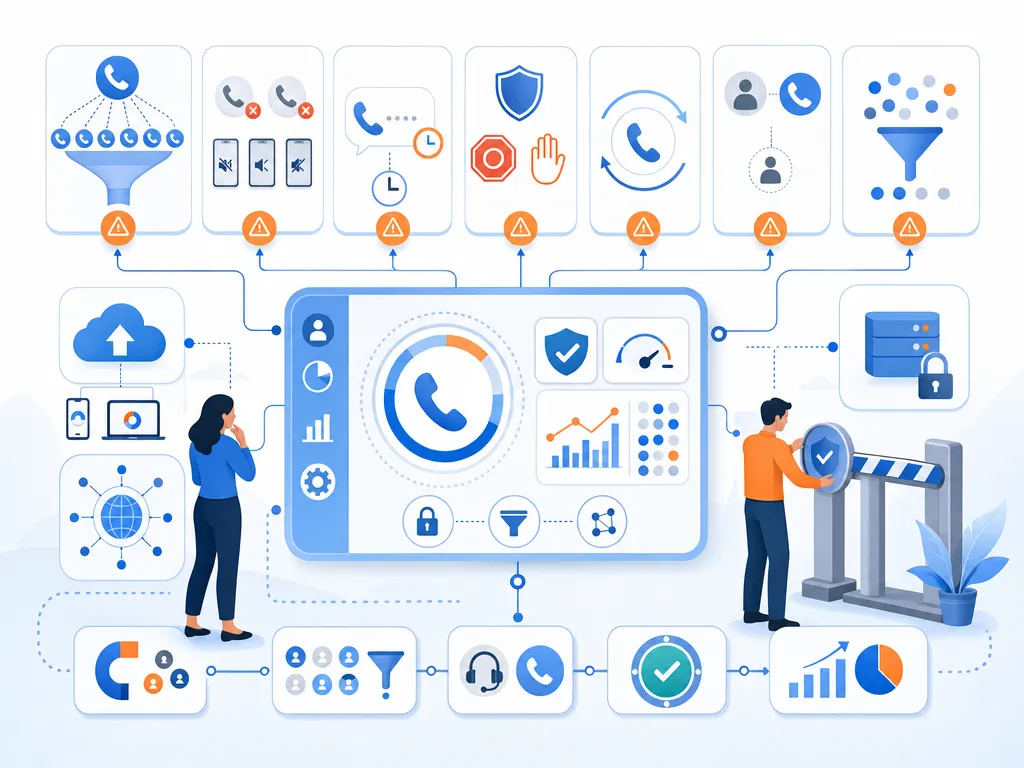
- High outbound volume from the same number. Heavy use of a single phone number can attract attention from carrier analytics systems, especially when engagement is low.
- Low answer rates. If many recipients ignore or reject calls, that pattern may be interpreted as a negative signal.
- Short call durations. A large number of very short calls can suggest that recipients are not engaging with the caller.
- Recipient complaints or blocks. When recipients report, block, or mark a number as spam, reputation can suffer.
- Recycled or previously abused numbers. A business may acquire a number that already has a poor history.
- Inconsistent or unclear caller identity. If the displayed number, caller name, and business context are confusing, recipients may be more likely to complain.
- Poor data quality. Calling outdated, unqualified, or non-consenting contacts can increase negative interactions.
Because these factors can compound over time, caller ID reputation management is both reactive and preventive. Remediation can help address a current label, but long-term improvement usually depends on changing the behaviors that caused the label in the first place.
How caller ID reputation is scored
Caller ID reputation is evaluated in a distributed ecosystem. Carriers, analytics providers, device manufacturers, and third-party call-blocking apps may each use different data sources and scoring logic. That means there is rarely one definitive place to check reputation.
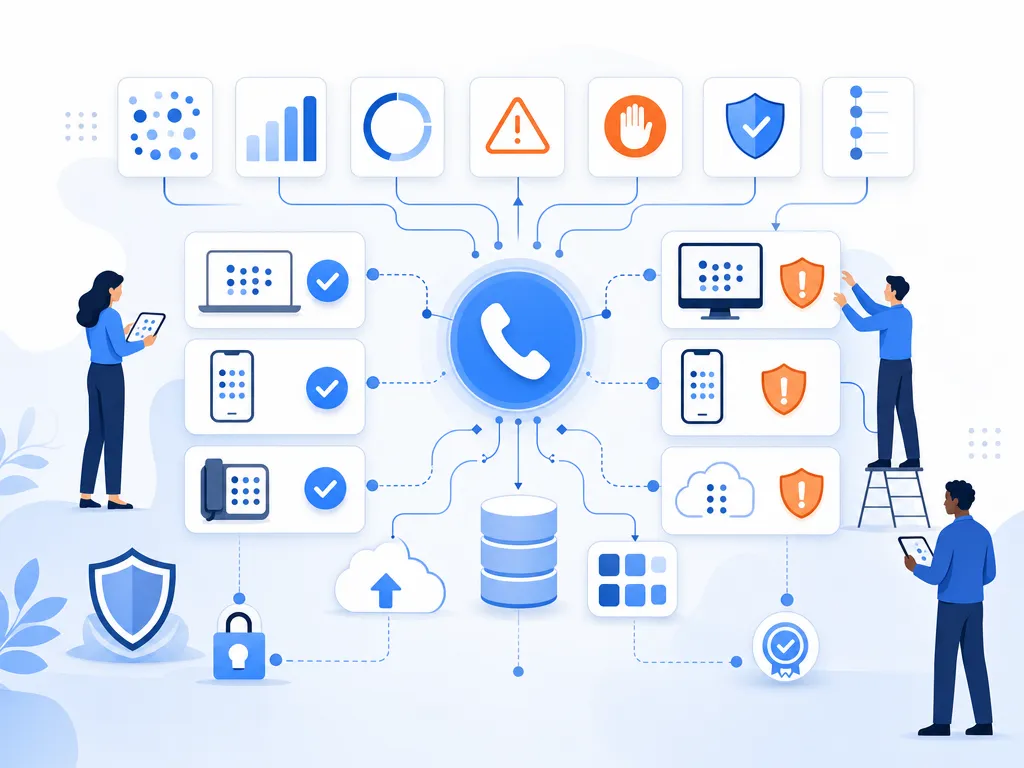
Some systems look at traffic patterns, complaint data, answer rates, call duration, identity signals, and historical behavior. Others may rely on user reports or app-specific databases. A number can be clean in one setting and labeled in another, which is why monitoring across multiple networks and apps is a common requirement for serious outbound teams.
STIR/SHAKEN also matters, but it should not be confused with caller ID reputation itself. STIR/SHAKEN is a framework designed to help verify that a caller is authorized to use a number. It can contribute to trust signals in the calling ecosystem, but it does not automatically prevent spam labels. A properly authenticated number can still be labeled if calling behavior generates negative signals.
Caller ID reputation management vs number rotation
When a number gets flagged, the first instinct is often to stop using it and switch to another number. Number rotation can be useful in a broader outbound strategy, but it is not a complete caller ID reputation management plan.
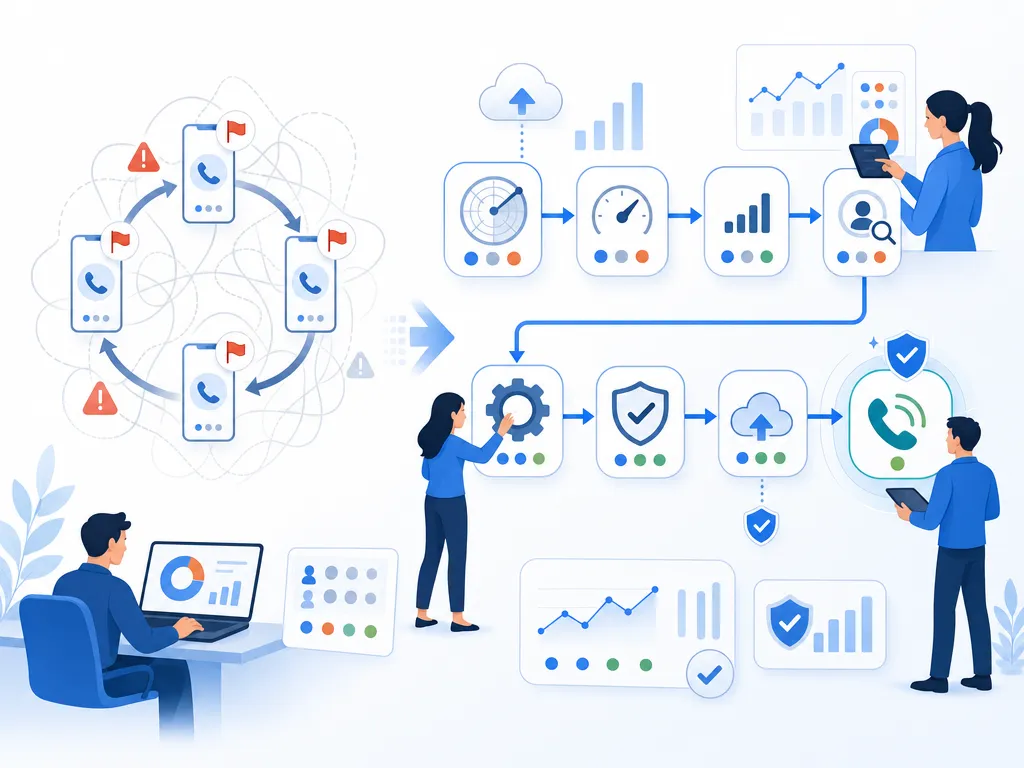
If the underlying calling behavior does not change, newly added numbers can develop the same problem. For example, if a team places too many calls from too few numbers, uses low-quality lead lists, or continues to generate complaints, replacement numbers may also be flagged. In some cases, aggressive rotation can make reputation problems harder to diagnose because the team loses visibility into which patterns are causing issues.
A stronger approach is to pair number management with behavior management. That means monitoring number health, pacing outbound activity, warming up new numbers gradually, reviewing answer and complaint trends, and using remediation workflows when a label appears.
Key caller ID reputation software features
If you are evaluating number reputation management tools in 2026, focus on capabilities that help your team detect problems early, understand root causes, and take consistent action. Useful capabilities may include:
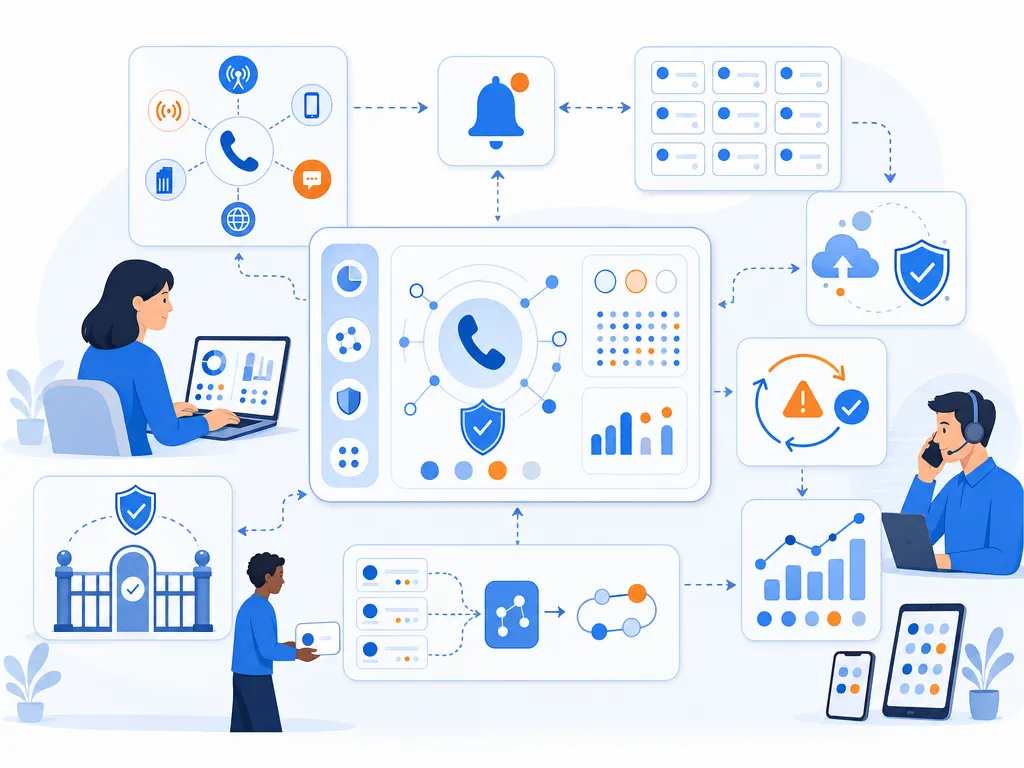
- Multi-network monitoring. The tool should help identify whether a number is labeled across carriers, devices, or call-blocking apps.
- Alerts and dashboards. Teams need timely visibility when a number is flagged or when reputation trends change.
- Number inventory reporting. RevOps teams should be able to see which numbers are active, how they are used, and where risk is increasing.
- Registration support. Some providers help businesses register phone numbers or caller identity information with relevant ecosystems.
- Remediation workflows. Look for a clear process to submit disputes, request review, or track resolution steps when a number is mislabeled.
- Dialing behavior analytics. Reputation management is stronger when it connects calling outcomes, answer rates, call duration, and per-number usage patterns.
- Integration with sales workflows. The more disconnected reputation monitoring is from day-to-day outbound activity, the harder it is to act on insights.
- Governance controls. Teams benefit from processes that encourage responsible calling volume, clear ownership, and consistent review.
No tool can guarantee that a number will never be flagged. The best tools help you reduce preventable risk, respond faster, and build a repeatable operating rhythm around caller ID health.
Best practices for caller ID reputation
Reputation protection starts before a number is ever flagged. Outbound teams should treat phone numbers as operational assets that need care, monitoring, and governance.
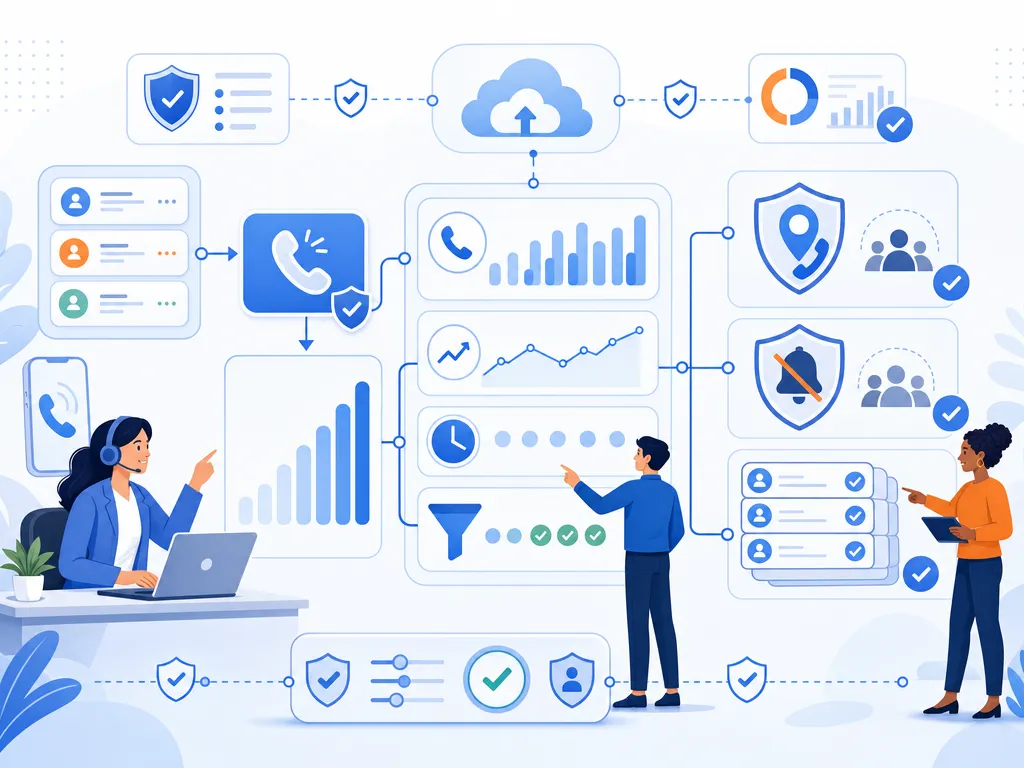
Warm up new caller ID numbers
A new number should not immediately carry the same volume as a mature, trusted number. Gradual ramping gives teams time to monitor early engagement and identify issues before they scale.
Track caller ID volume by number
Aggregate call volume can hide risk. A team may appear to be operating reasonably overall while a small group of numbers is being overused. Monitor call volume, answer rate, and call duration by individual number where possible.
Improve data quality to protect reputation
Calling better-fit contacts is one of the most practical ways to protect reputation. Poor-fit lists often lead to more ignored calls, short conversations, complaints, and blocks.
Use local caller ID carefully
Local presence dialing can make calls feel more familiar to recipients, but it should be used responsibly. The caller identity and reason for outreach should be clear, and teams should avoid tactics that could feel misleading to recipients.
Monitor answer rates and call outcomes
A sudden drop in answer rate can be an early warning sign. Combine number reputation checks with sales call analytics so your team can spot changes in connection quality before pipeline is affected.
Protect reputation with opt-out rules
Operational discipline matters. Make sure teams have a process for honoring opt-outs, avoiding repeat unwanted outreach, and keeping suppression lists current. This article is not legal advice, and teams should consult appropriate counsel or compliance resources for legal requirements that apply to their calling programs.
How to fix a flagged caller ID
If one of your business numbers displays a spam or scam warning, avoid panic-based decisions. Use a structured response:
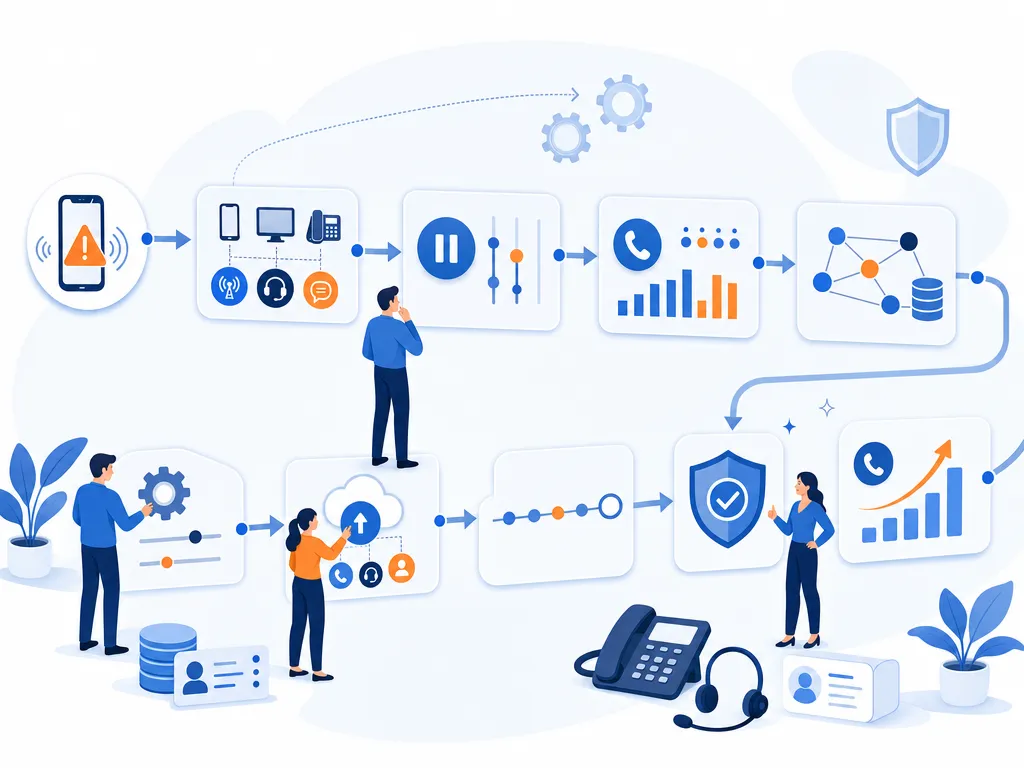
- Confirm where the label appears. Check whether the issue is isolated to a specific carrier, device, or app, or whether it appears broadly.
- Reduce or pause usage of the affected number. Continuing the same activity while a number is under review may make the problem worse.
- Review recent calling behavior. Look at volume, answer rate, call duration, complaint trends, lead sources, and rep workflows.
- Check number history and assignment. Determine whether the number may have been recycled or recently moved into a new campaign.
- Submit registration or remediation requests where appropriate. Follow the relevant carrier, analytics provider, or tool workflow for correcting a mislabeled caller ID.
- Document the timeline. Track when the issue was discovered, what actions were taken, and when labels changed.
- Monitor recovery before scaling again. Once the label is removed or reduced, ramp activity carefully rather than returning immediately to prior volume.
Remediation timelines can vary. Some labels may be reviewed quickly, while others may take longer depending on the provider, the severity of the issue, and the available evidence. Avoid any vendor promise that suggests every label can be removed on a guaranteed timeline.
Caller ID reputation tool checklist
Use this checklist when comparing caller ID reputation management software or evaluating whether your current outbound calling stack gives you enough visibility:
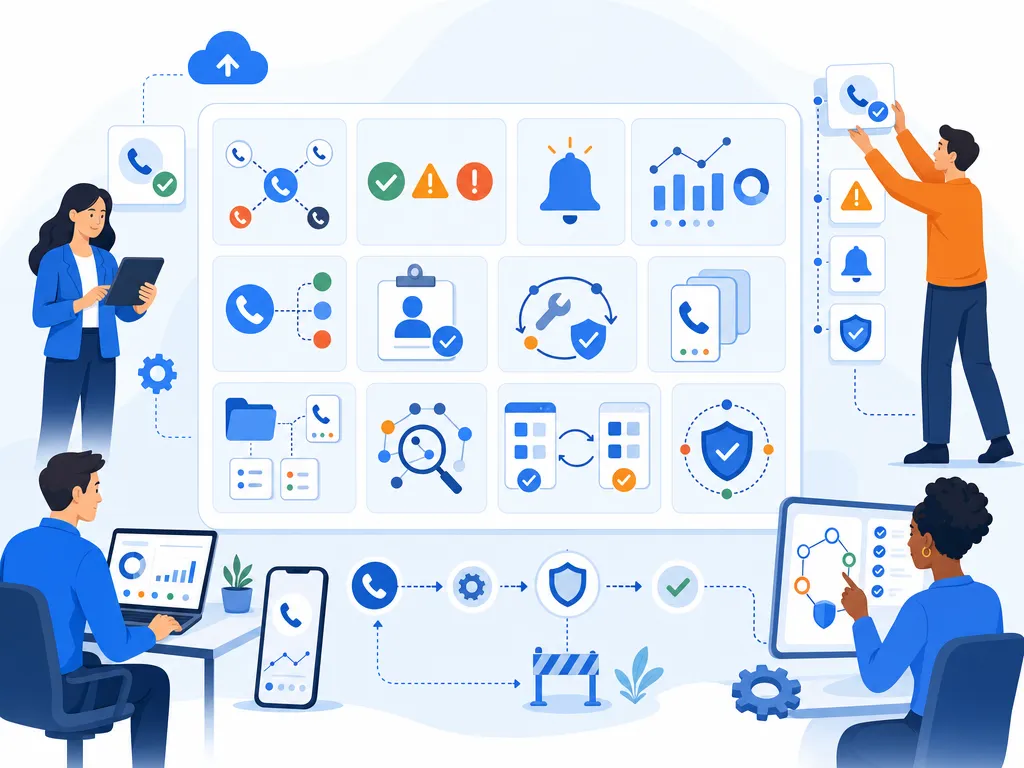
- Can the tool monitor numbers across multiple carriers, apps, or analytics environments?
- Does it show which numbers are clean, at risk, or currently labeled?
- Are alerts available when a number is newly flagged?
- Can you connect reputation data to call volume, answer rates, and outcomes?
- Does the tool support phone number registration or caller identity management workflows?
- Is there a documented remediation process?
- Can RevOps teams see per-number usage and campaign assignment?
- Does it help identify patterns that may be causing reputation problems?
- Can it fit into your sales dialer, CRM, or reporting workflow without creating manual overhead?
- Does the vendor avoid unrealistic guarantees about spam label removal or answer-rate improvement?
For teams evaluating outbound sales workflows more broadly, the right dialing process should make it easier to manage activity responsibly, review performance, and adapt when connection quality changes. If you are exploring sales engagement and calling operations, you can learn more about Kixie and assess whether it fits your team’s outbound workflow needs.
Caller ID reputation FAQs
What is caller ID reputation management?
Caller ID reputation management is the ongoing process of monitoring and improving how business phone numbers are perceived by carriers, analytics providers, devices, and call-blocking apps. It includes prevention, detection, remediation, and reporting.
Why does caller ID show as Spam Likely?
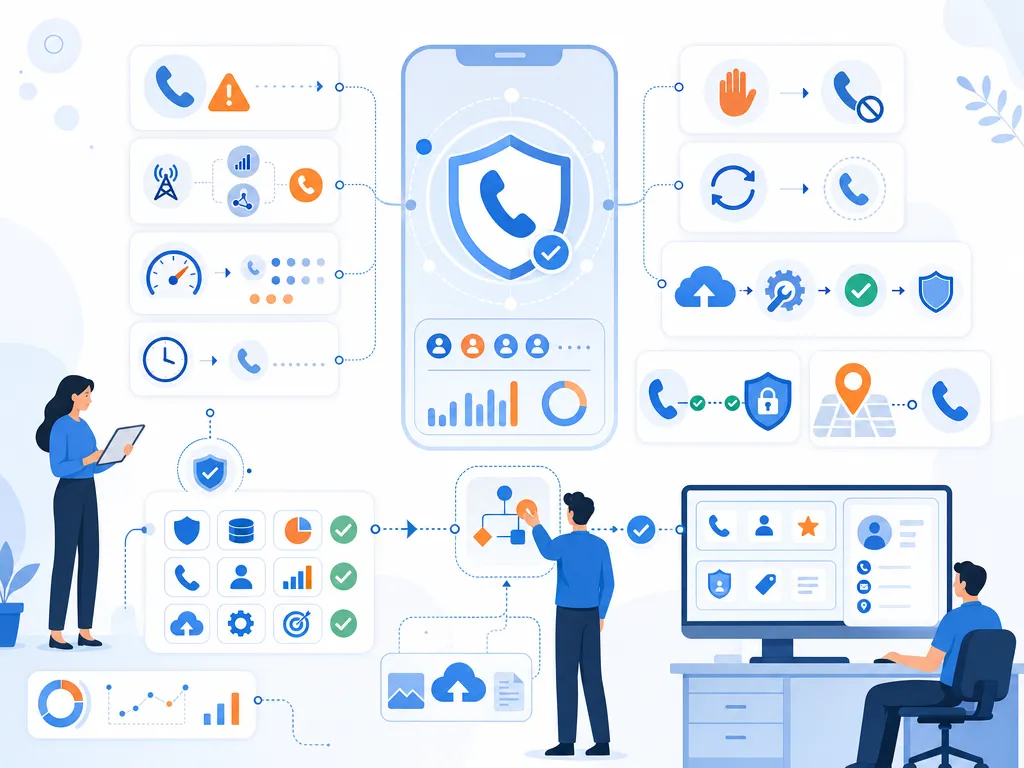
Business numbers may show as Spam Likely because of high call volume, low answer rates, short calls, recipient complaints, recycled number history, or patterns that resemble unwanted calling. Labels can also vary by carrier or app.
How do I fix a flagged caller ID?
Start by confirming where the number is flagged, reducing usage, reviewing recent calling behavior, and submitting remediation or registration requests through the appropriate channels. Then monitor the number before ramping volume back up.
How long does caller ID remediation take?
Remediation timelines vary. They can depend on the carrier, analytics provider, call-blocking app, evidence submitted, and whether the underlying calling behavior has changed. Be cautious of any guarantee that every label will be removed within a fixed period.
Does STIR/SHAKEN affect caller ID reputation?
STIR/SHAKEN helps verify that a caller is authorized to use a phone number. It can support trust in the calling ecosystem, but it is not the same as reputation management and does not automatically prevent spam labels.
Can local caller ID improve answer rates?
Local presence numbers may make calls more familiar to recipients, but they should be used responsibly. They do not replace reputation monitoring, caller identity clarity, consent-aware outreach, or strong data quality.
What should caller ID reputation tools include?
Strong tools generally include number monitoring, alerts, reporting, registration or remediation support, per-number usage visibility, and analytics that help teams connect reputation issues to outbound calling behavior.
How to protect caller ID reputation long term
Caller ID reputation management in 2026 is about more than removing a single spam label. It is an operating discipline for outbound teams that depend on phone conversations. The teams that perform best will monitor number health, understand the fragmented carrier and app ecosystem, respond quickly to flags, and manage dialing behavior before reputation problems spread.
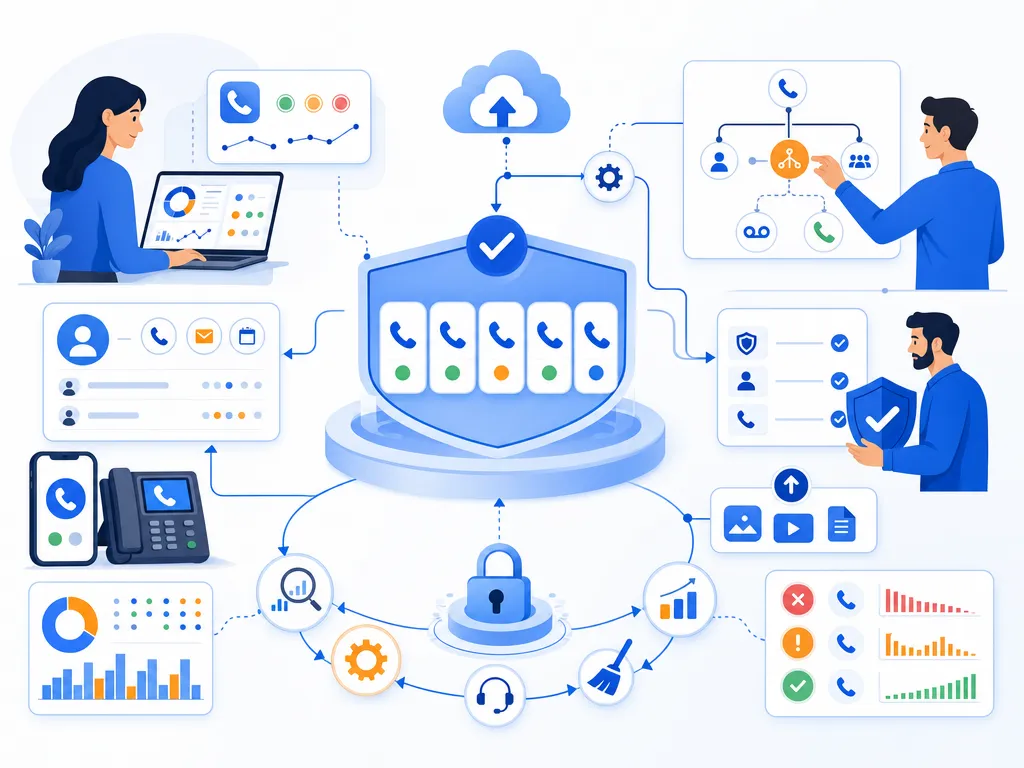
Instead of treating phone numbers as disposable, treat them as trust assets. Protecting that trust can help your team create more consistent outbound conversations and a healthier calling operation over time.
Sources
How this guide was built: it explains how caller ID reputation and call labeling work in practice and what an outbound team can control, drawing on the federal call authentication and calling rules linked below. Carrier and analytics labeling methods are proprietary and are not published in full, so this article describes observable practice rather than any single documented algorithm. Nothing here is legal advice; rules change, so confirm current requirements with qualified counsel. Kixie publishes this article and sells outbound calling software.
- Electronic Code of Federal Regulations: 47 CFR part 64, subpart HH. Current federal rule text for caller ID authentication requirements, accessed August 16, 2026.
- Electronic Code of Federal Regulations: 47 CFR 64.1200. Current federal rule text for consent, calling hours and do-not-call obligations, accessed August 16, 2026.
- Federal Trade Commission: Complying with the Telemarketing Sales Rule. Business compliance guidance for outbound calling programs, accessed August 16, 2026.
- National Do Not Call Registry. Primary reference for do-not-call registration and suppression obligations, accessed August 16, 2026.
Sources verified by the Kixie Research Team on August 16, 2026. All source links checked on August 16, 2026.
Ready to close more deals with Kixie?
See how Kixie's AI-powered tools can transform your sales and support operations.
Start Free Trial