TL;DR: Caller ID reputation determines whether outbound business numbers display normally or as Spam Likely, Scam Risk, Potential Spam, Telemarketer, or blocked, and is shaped by call volume, answer rates, user complaints, call patterns, number age, registration status, carrier analytics, device settings, call-blocking apps, and user feedback. To reduce avoidable labels, audit every outbound number across carriers, iPhone, Android, landlines, and call-screening apps, document caller ID name, team or campaign use, labels, recent volume, answer rate, voicemail rate, and complaints, then register numbers through applicable CNAM updates, business identity registration, Free Caller Registry, STIR/SHAKEN authentication, or provider-led remediation. Use each number for one consistent purpose such as sales, support, billing, recruiting, healthcare, financial services, appointments, surveys, or reminders, ramp new or quiet numbers gradually, avoid sudden campaign spikes, improve lead data by removing duplicates, stale numbers, wrong-party contacts, reassigned numbers, opt-outs, suppression lists, and do-not-call risks, and protect reputation with reasonable local calling times, clear introductions, no silent or abandoned calls, fast opt-out handling, limited repeat attempts, accurate voicemails, and consent/source documentation. Monitor answer rate, connection rate, voicemail rate, blocked or failed calls, complaint and opt-out trends, carrier-specific labels, and changes after registration or remediation, since label removal is not guaranteed and varies by carrier, analytics provider, app, device, user settings, and ongoing call behavior.
If your outbound calls are showing up as “Spam Likely,” “Scam Risk,” or simply failing to ring through, caller ID reputation may be part of the problem. For sales, support, billing, recruiting, healthcare, financial services, and appointment-based teams, a damaged phone number reputation can reduce trust before a prospect or customer even answers.
The good news: caller ID reputation is not random. Carriers, analytics providers, device settings, call-blocking apps, and user feedback all contribute to how your calls are labeled. While no business can guarantee that every label will be removed, you can take practical steps to improve phone number reputation, reduce avoidable flags, and make your outbound calling program more trustworthy.
Important: This guide shares general operational best practices, not legal advice. Calling rules vary by jurisdiction, industry, call type, and consent status. Review your calling program with qualified legal or compliance counsel.
What is caller ID reputation
Caller ID reputation is the trust profile associated with the phone numbers your business uses to place outbound calls. A strong reputation means your calls are more likely to display normally, with accurate business identity where supported. A weak reputation can lead to labels such as “Spam Likely,” “Scam Risk,” “Potential Spam,” “Telemarketer,” or blocked calls.
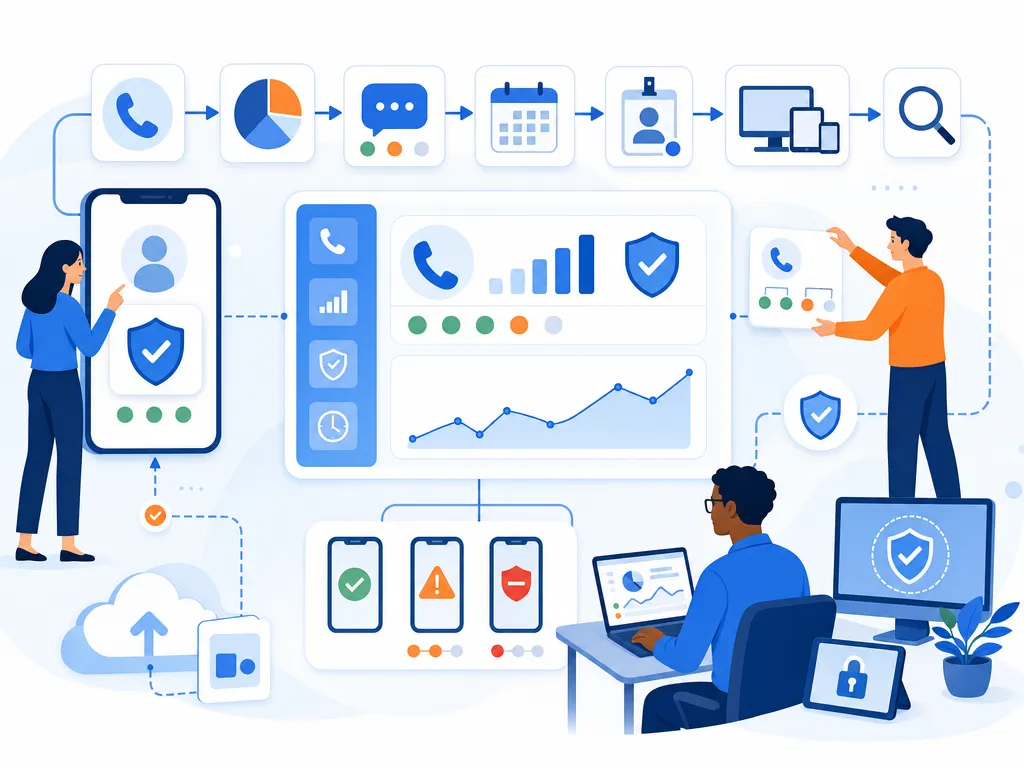
Caller ID reputation is influenced by several signals, including call volume, answer rates, user complaints, call patterns, number age, number registration status, and whether the number is associated with unwanted or suspicious activity.
It is also not always consistent. The same number may appear normally on one carrier, show a warning label on another, and be treated differently by a third-party call-blocking app. That is why improving caller ID reputation usually requires both better calling practices and ongoing monitoring.
Why your number gets spam labels
Legitimate businesses can be mislabeled, but spam labels often appear when call analytics systems detect patterns that resemble unwanted calling. Common causes include:
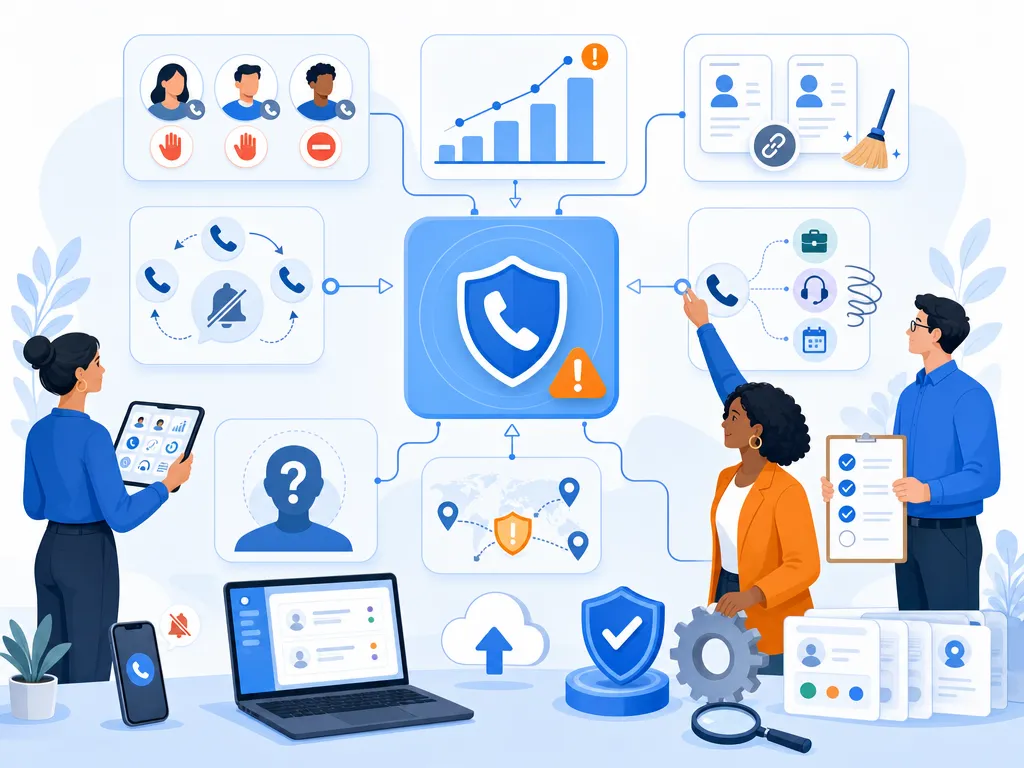
- High complaint or block rates: If recipients frequently report, block, or ignore a number, reputation can decline.
- Sudden call-volume spikes: A new or previously quiet number that rapidly begins placing many calls can look suspicious.
- Poor lead or contact data: Stale, inaccurate, purchased, or recycled lists can create wrong-party calls and complaints.
- Repeated unanswered calls: High-frequency attempts to the same people can trigger negative signals.
- Inconsistent number usage: Using the same number for unrelated campaigns, departments, or call purposes can confuse recipients and analytics systems.
- Misleading caller identity: Unrecognizable names, mismatched branding, or generic caller ID can reduce trust.
- Questionable local presence patterns: Using numbers that appear local without a clear relationship to the caller or recipient can be interpreted negatively if it resembles spoofing behavior.
Caller ID reputation checklist
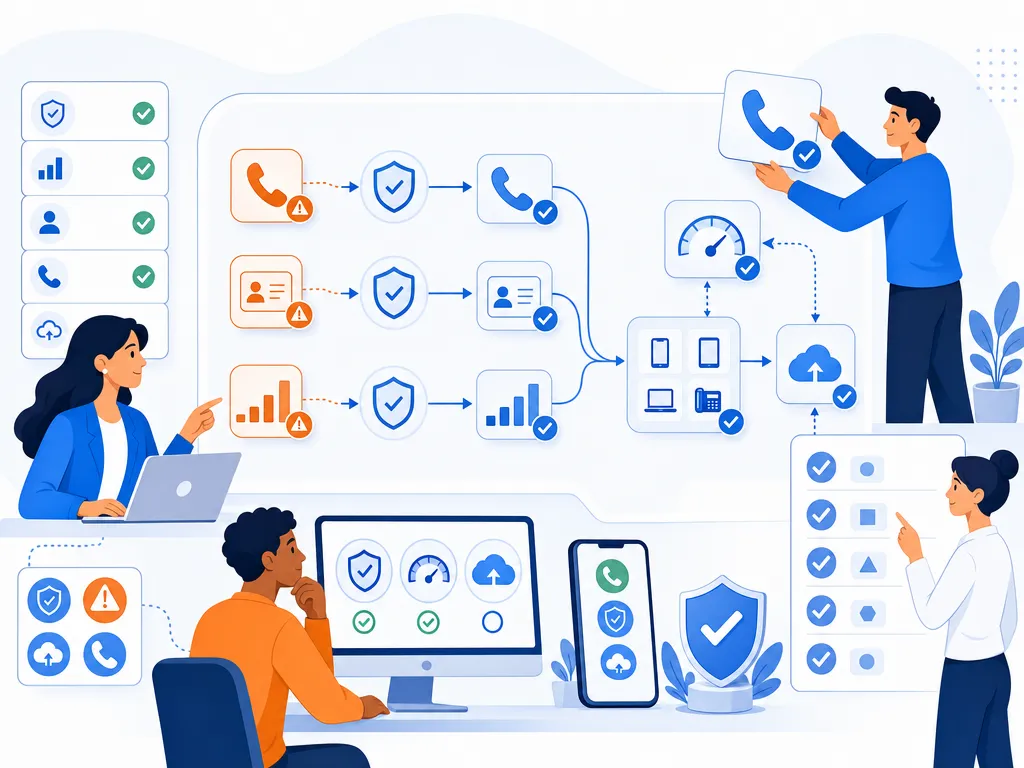
Use this checklist to build a healthier outbound calling program and reduce the risk of preventable spam labels.
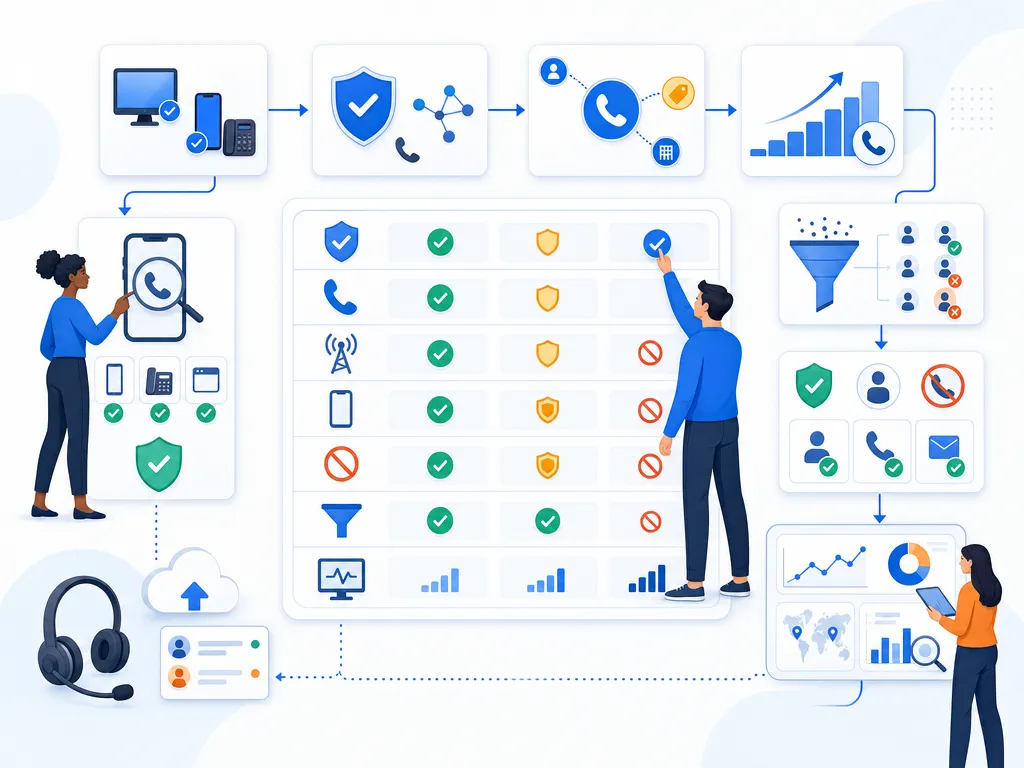
- Audit how your numbers display across carriers, devices, and call-blocking apps.
- Register your business numbers where applicable, including caller name and business identity information.
- Use each number for a consistent purpose so call behavior is easier to understand.
- Ramp volume gradually instead of suddenly placing large campaigns from new or inactive numbers.
- Improve lead list quality before dialing to reduce wrong-party calls and complaints.
- Follow responsible calling practices around frequency, timing, introductions, opt-outs, and documentation.
- Monitor number-level performance and remediate incorrect labels as soon as they appear.
Check your caller ID across carriers and devices
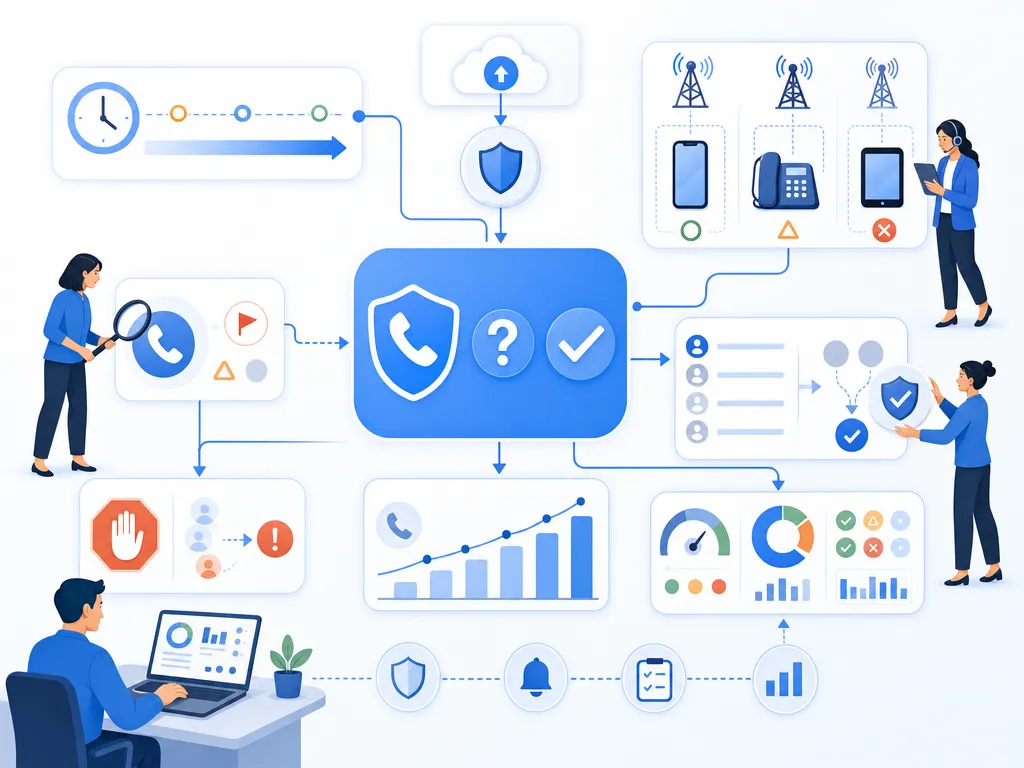
The first step is to understand what recipients actually see. A number may look fine on one mobile network and display a warning on another. It may also behave differently on iPhone, Android, landlines, and devices with third-party call-screening apps installed.
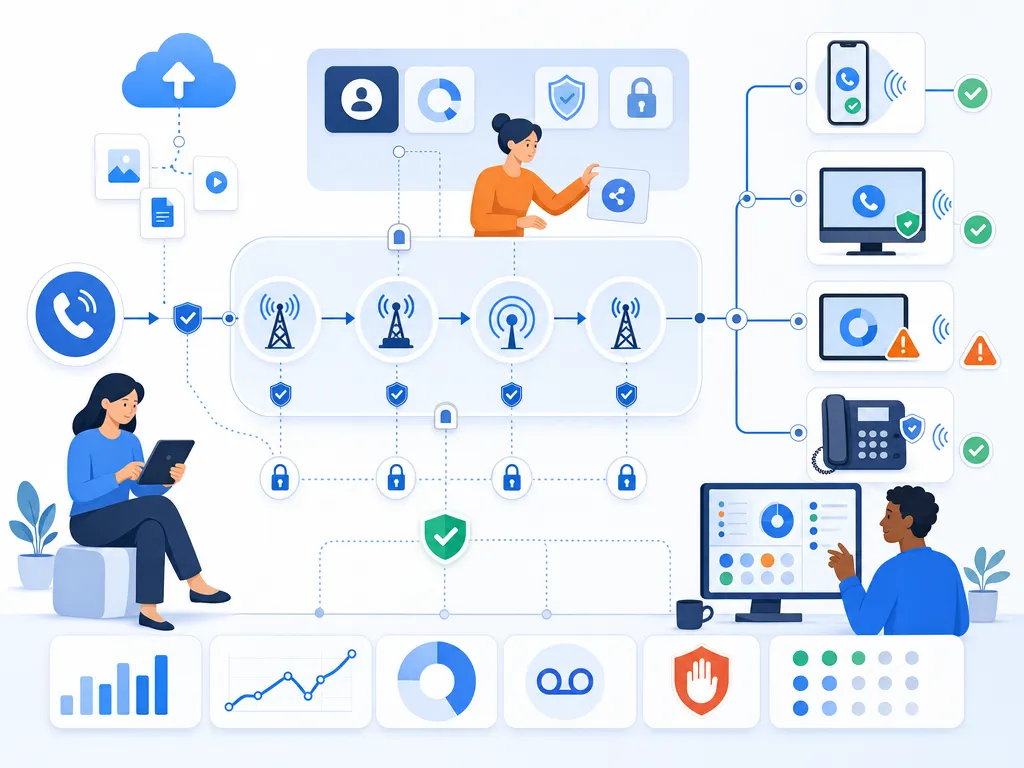
At minimum, document the following for each outbound number:
- The phone number and the team, campaign, or department using it
- The caller ID name or business identity that appears, if any
- Whether the number shows labels such as “Spam Likely” or “Scam Risk”
- Whether the label appears only on certain carriers or devices
- Recent call volume, answer rate, voicemail rate, and complaint patterns
This creates a baseline so you can tell whether registration, list hygiene, and calling practice changes are helping over time.
Register your caller ID numbers
Number registration helps carriers and call analytics providers understand who is using a phone number and why. It does not guarantee that a spam label will be removed, but it is an important trust-building step.

Depending on your provider and calling setup, registration may include:
- CNAM updates: CNAM is the caller name information that may display with a number on supported networks and devices.
- Business identity registration: Some platforms and providers allow businesses to submit number ownership, brand, and call-use details.
- Free Caller Registry: Free Caller Registry is a registration option used by some call analytics providers to help identify legitimate business calling use cases.
- STIR/SHAKEN authentication: STIR/SHAKEN is a caller authentication framework used in the voice ecosystem to help verify that a caller is authorized to use a number.
- Provider-led remediation: Some telecom or calling providers may offer workflows for reporting incorrect labels. Availability and outcomes vary.
Registration should be accurate and consistent. Use the same business name, website, contact information, and call purpose wherever possible. If your business has multiple brands or departments, avoid mixing identities in ways that could confuse recipients.
Use each caller ID number for one purpose
Caller ID reputation can suffer when one number is used for too many unrelated activities. For example, a number used for sales outreach, support callbacks, billing reminders, event confirmations, and survey requests may generate mixed recipient behavior.

When possible, assign numbers by purpose, team, or call type. This makes it easier to track reputation and diagnose issues. If one campaign creates complaints, you can identify the problem without putting every outbound call stream at risk.
Consistent number usage also helps recipients recognize why you are calling. A support callback from a known support number is more trustworthy than a call from an unfamiliar number that is also used for unrelated promotions.
Protect reputation with steady call volume
Sudden, high-volume dialing from a new or quiet number can look suspicious. If you are launching a new campaign, opening a new territory, or adding numbers to your outbound program, ramp call volume gradually and monitor performance closely.
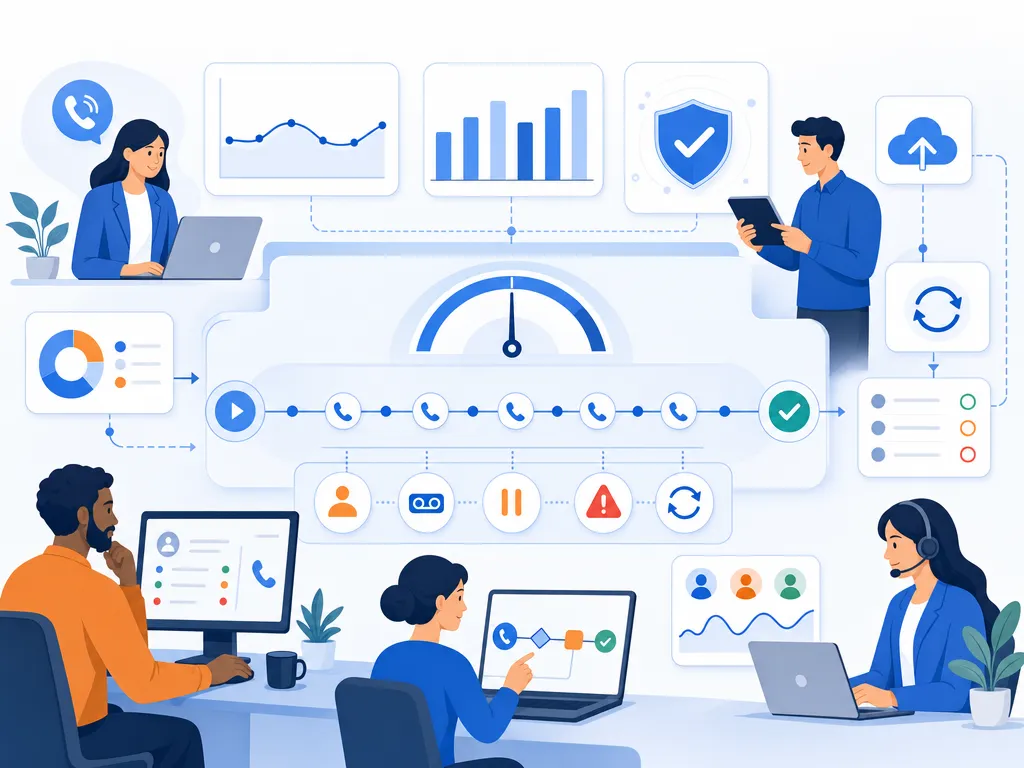
Healthy volume management includes:
- Avoiding large spikes from brand-new numbers
- Watching answer rate and voicemail rate by number
- Reducing call frequency if complaints or blocks rise
- Pausing numbers that begin showing negative labels until you investigate
- Keeping outreach patterns aligned with the stated purpose of the number
If a number is already flagged, simply replacing it with a fresh number is not a long-term fix. The same calling patterns can cause the new number to be flagged as well.
Protect reputation with better lead quality
Lead quality is one of the most important factors in caller ID reputation. Even well-intentioned calls can generate complaints when they reach the wrong person, an outdated contact, a reassigned number, or someone who never expected to hear from your business.

Before launching outbound campaigns, review your contact data for:
- Duplicate records
- Stale or unverified phone numbers
- Wrong-party contacts
- Reassigned numbers, where screening is available
- Suppression lists and opt-out requests
- Do-not-call requirements that may apply to your business
- Whether the call purpose matches the recipient’s relationship with your company
Better data produces more relevant conversations, fewer complaints, and stronger long-term number health.
Use calling practices that protect reputation
Caller ID reputation is not only about registration and technical configuration. It is also shaped by how recipients experience your calls.
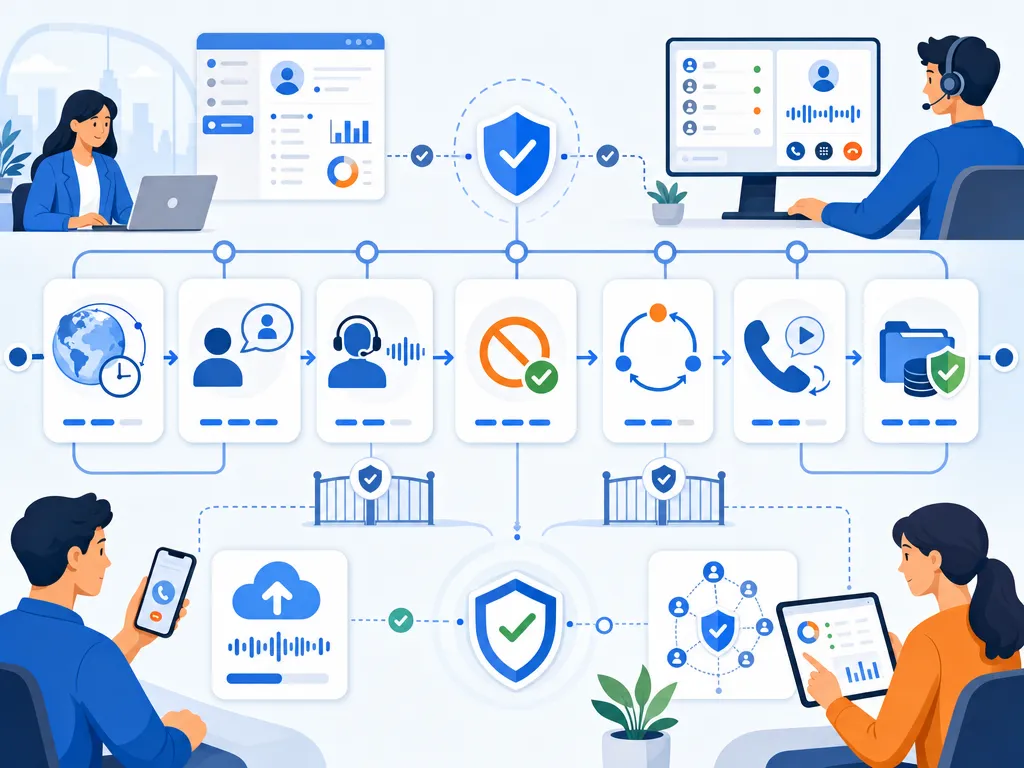
Responsible calling practices include:
- Call at reasonable local times: Respect time zones and any calling-hour rules that apply to your outreach.
- Introduce yourself clearly: State your name, company, and reason for calling early in the conversation.
- Avoid silent or abandoned calls: If someone answers, they should hear a real person or appropriate message promptly.
- Honor opt-outs quickly: Make it easy for recipients to stop future calls and ensure suppression is applied across relevant systems.
- Limit repeat attempts: Excessive retries to the same person can create complaints and blocks.
- Use voicemail carefully: Leave concise, accurate messages that identify your business and provide a clear callback path.
- Document consent and source: Maintain records that explain why a person is being contacted, especially for regulated calling programs.
These practices help reduce negative feedback signals and build trust with the people you call.
Monitor number reputation and fix wrong labels
Caller ID reputation should be monitored continuously, not only after contact rates drop. Track performance at the number level so you can spot early warning signs before a label affects an entire campaign.

Useful metrics include:
- Answer rate by number
- Connection rate by campaign
- Voicemail rate
- Blocked, failed, or rejected calls
- Complaint, opt-out, or do-not-call request trends
- Carrier-specific or device-specific label reports where available
- Performance changes after registration or remediation requests
If a number is mislabeled, collect evidence before submitting a remediation request. Include the number, business name, call purpose, screenshots or reports showing the label, and any registration details you have available. Remediation can take time, and results may vary by carrier, analytics provider, call-blocking app, and the underlying call behavior associated with the number.
Caller ID reputation on iPhone and Android
Caller ID reputation can look different depending on the recipient’s device and settings.

How caller ID works on iPhone
iPhone users may have settings enabled that silence unknown callers or route unfamiliar numbers away from the normal ringing experience. If the recipient has not interacted with your number before, your call may be easier to miss even if it is not formally labeled as spam.
To improve the customer experience on iPhone, use recognizable numbers, consistent caller identity, and clear follow-up channels. If your outreach is expected, consider confirming the callback number through prior communication such as email, SMS, calendar invites, or customer portals where appropriate and permitted.
How caller ID works on Android
Android devices may display labels informed by carrier data, Google caller ID features, user reports, and call-screening tools. Some Android users also rely heavily on spam filtering and call screening before deciding whether to answer.
For Android recipients, recognizable identity and clean calling behavior matter. Accurate caller name information, consistent number usage, and lower complaint rates can all support a more trustworthy calling experience, although display behavior still varies by device, carrier, and user settings.
Does local presence help caller ID reputation
Using a local number can make calls feel more familiar, but local presence is not a substitute for good reputation management. If local numbers are used aggressively, inconsistently, or in a way that recipients perceive as misleading, they can still receive negative labels.
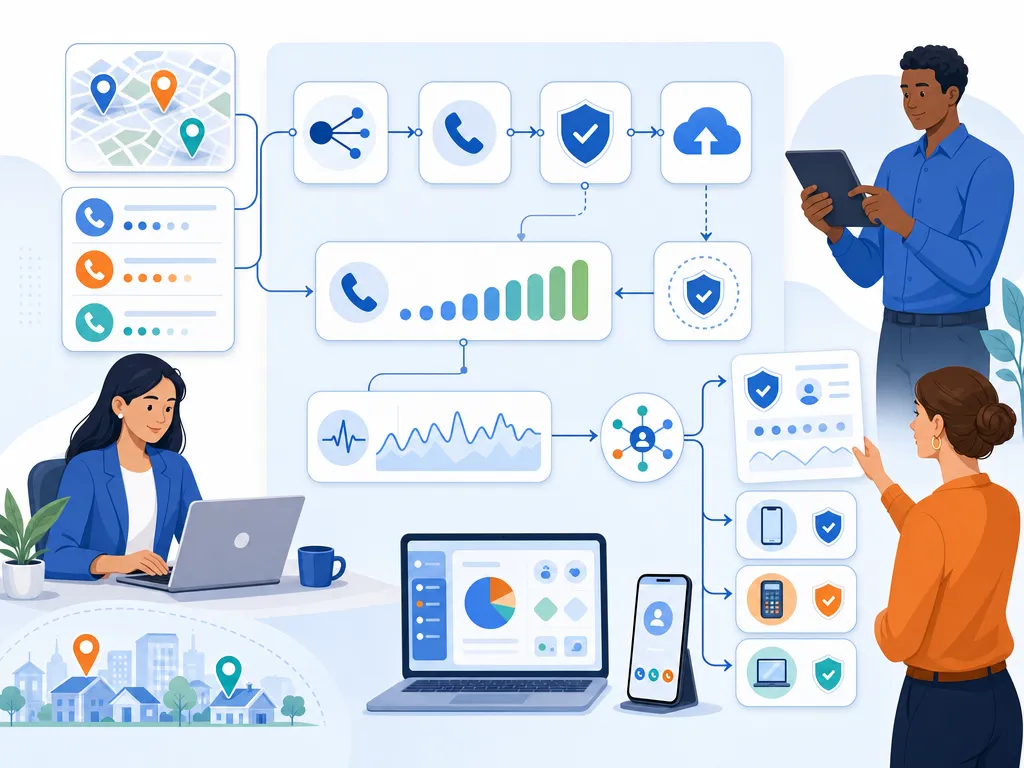
If your team uses local numbers, make sure the number strategy supports a legitimate business reason, aligns with recipient expectations, and follows the same registration, monitoring, and responsible-calling practices as any other outbound number.
Caller ID reputation FAQ
Can I remove spam labels
You may be able to request review or remediation for an incorrect label through your provider, carrier-related channels, call analytics providers, or registration portals. However, removal is not guaranteed, and the number’s future reputation depends on ongoing call behavior.
How long does it take to fix caller ID
Timing varies. Some updates may appear relatively quickly, while others can take longer depending on the carrier, analytics provider, call-blocking app, registration process, and whether the underlying calling patterns have improved.
Why do spam labels vary by carrier
Carriers and analytics providers may use different data sources, algorithms, user reports, and thresholds. That is why the same number can display normally for one recipient and show a spam warning for another.
Will registration prevent spam labels
Registration can help establish legitimate business identity, but it does not guarantee that a number will avoid labels. Call patterns, complaint rates, answer rates, list quality, and recipient behavior still matter.
Should I stop using a flagged caller ID number
Pause and investigate before making a decision. Review the label, call volume, list source, complaint trends, and use case. In some cases, remediation and behavior changes may help. In others, retiring or repurposing a number may be appropriate after review.
How do I prevent caller ID reputation problems
Use accurate caller identity, register numbers where applicable, keep number usage consistent, maintain clean contact data, respect opt-outs, avoid excessive call attempts, ramp volume gradually, and monitor number health over time.
Key caller ID reputation takeaway
Improving caller ID reputation is an ongoing process. The strongest programs combine accurate business identity, clean contact data, responsible outreach practices, steady call volume, and active monitoring. While no process can guarantee that every call will avoid filtering, these steps reduce avoidable reputation risks and help recipients feel more confident answering your calls.
Ready to close more deals with Kixie?
See how Kixie's AI-powered tools can transform your sales and support operations.
Start Free Trial