TL;DR: Branded caller ID improves recognition by showing a business name, logo, call reason, or brand details on supported devices and networks, while spam remediation repairs inaccurate Spam Likely, Scam Risk, Potential Spam, or similar labels by documenting affected numbers and submitting review requests through carrier, reputation, or analytics channels. CNAM can show a caller name in traditional caller ID, STIR/SHAKEN authenticates calls to reduce spoofing but does not guarantee spam-label avoidance, and caller ID reputation management combines inventory, monitoring, registration, remediation, dialing-behavior fixes, and documentation. Spam flags commonly come from high outbound volume from too few numbers, low answer rates, short call durations, consumer complaints, poor list quality, inconsistent business identity, unauthenticated or unregistered traffic, aggressive redialing, spoofing, or prior number misuse. Recommended workflow is confirm where labels appear, build an outbound number inventory with business unit, campaign, owner, average call volume, and active status, review recent dialing patterns, verify business details, submit accurate remediation evidence, monitor results because updates vary by network and app, then prevent recurrence with clean lists, sensible cadence, campaign segmentation, clear rep openings, opt-out suppression, consistent caller identity, answer-rate tracking, careful number rotation, and compliance review.
When a legitimate business call shows up as Spam Likely, Scam Risk, Potential Spam, or an unknown caller, answer rates can drop fast. Sales reps may assume prospects are avoiding them. Support teams may think customers are unreachable. In reality, the issue may be tied to caller ID reputation, carrier analytics, or how the business’s phone numbers are being displayed.
That is where two commonly confused terms come in: branded caller ID and spam remediation. They are related, but they do not solve the same problem.
Branded caller ID helps recipients recognize who is calling. Spam remediation focuses on addressing negative spam or scam labels that may appear on outbound calls. Many outbound teams need to understand both because improving trust on the phone is not just a branding project. It is also an operational, technical, and reputation-management process.
Branded caller ID and spam remediation compared
Branded caller ID is a display enhancement that may show a business name, logo, call reason, or other brand-related information on supported devices and networks. The goal is to make a call feel recognizable and trustworthy before the recipient answers.

Spam remediation is the process of identifying phone numbers that are being mislabeled as spam or scam and submitting correction or review requests through the appropriate reputation, carrier, or analytics channels. The goal is to remove or reduce inaccurate negative labels.
Caller ID reputation management is the broader, ongoing discipline of monitoring how your numbers appear, registering numbers where appropriate, addressing labels, and improving the calling behaviors that may contribute to future flagging.
In plain English: branded caller ID is about recognition. Spam remediation is about repair. Reputation management is about prevention and monitoring.
Caller ID terms your team should know
Caller identity can be confusing because several systems affect what a recipient sees. Here are the concepts most businesses should understand:

- CNAM: A caller name display database used in traditional caller ID environments. It may show a business name, but it is not the same as modern branded calling.
- Branded caller ID: A richer display experience that may include a verified business name or other brand elements where supported.
- STIR/SHAKEN: A call authentication framework designed to help verify that a call is not illegally spoofed. Authentication can support trust, but it does not automatically prevent spam labels.
- Caller ID reputation: The perceived trustworthiness of a calling number based on signals such as call patterns, complaints, authentication, history, and analytics.
- Spam remediation: The process of reporting and correcting inaccurate spam, scam, or risk labels on business numbers.
- Call deliverability: A broad term for whether outbound calls are successfully delivered, displayed accurately, and answered by recipients.
Why caller ID gets flagged as spam
Spam labels are usually the result of analytics models and network-level reputation signals. No single factor explains every label, and different carriers, devices, and call-blocking apps may display different warnings.

Common contributors can include:
- High outbound volume from a small pool of numbers: A sudden spike in call volume can look suspicious, especially if it is not consistent with the number’s history.
- Low answer rates and short call durations: If many recipients ignore, decline, or quickly hang up, analytics systems may interpret the pattern negatively.
- Consumer complaints: Call recipients who report a number as spam can influence reputation over time.
- Poor list quality: Calling outdated, purchased, mistargeted, or non-consented contacts often leads to more complaints and lower engagement.
- Inconsistent business identity: A mismatch between the business name, campaign purpose, phone number ownership, or caller display can create confusion.
- Unregistered or unauthenticated traffic: Numbers that are not properly associated with the business may have a harder time building trust.
- Aggressive dialing patterns: Excessive redials, short intervals between attempts, or repeated calls without engagement can damage reputation.
- Number spoofing or misuse: If a number is spoofed or previously used by another party, it may inherit reputation problems.
For sales teams, the important takeaway is that spam labels are not always caused by one technical problem. They often reflect a mix of display, behavior, complaint, and reputation signals.
Can branded caller ID prevent spam labels
Not by itself. Branded caller ID can help recipients recognize your business, but it should not be treated as a guaranteed shield against spam labeling.
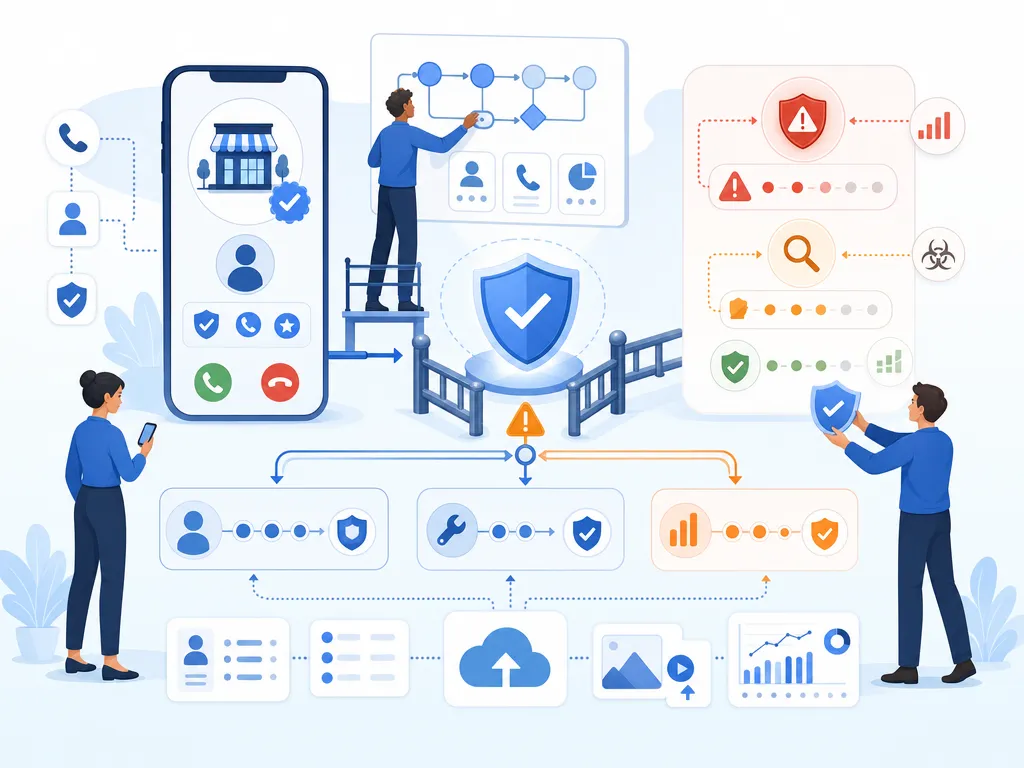
A branded display and a spam warning may be influenced by different systems. A number can have a recognizable business identity and still be affected by negative reputation signals. Similarly, a number may avoid a spam label but still appear as an unknown or generic caller if the display information is incomplete.
Rule of thumb: Use branded caller ID to improve recognition. Use spam remediation and reputation management to address labeling problems. Use better dialing practices to reduce the behaviors that cause future risk.
How caller ID reputation management works
Caller ID reputation management is not a one-time cleanup. It is an ongoing process that helps businesses understand how their outbound numbers are perceived and displayed.

A practical reputation program usually includes:
- Inventory: Maintain a clear list of every outbound number, who uses it, what campaigns it supports, and whether it is active.
- Monitoring: Check how numbers appear across devices, networks, and call-screening environments when possible.
- Registration: Associate numbers with the correct business identity through relevant registration or attestation processes where available.
- Remediation: Submit inaccurate spam or scam labels for review through the appropriate channels.
- Behavior improvement: Adjust dialing cadence, list hygiene, call scripts, and campaign targeting to reduce complaint risk.
- Documentation: Keep records of affected numbers, screenshots, dates, call volumes, campaigns, and remediation requests.
The most effective teams treat reputation as part of outbound operations rather than a task to revisit only after answer rates fall.
How spam remediation works
If your business numbers are showing as Spam Likely, Scam Risk, or another negative label, use a structured workflow instead of guessing.

Confirm the spam label in caller ID
Start by verifying which numbers are affected and where the label appears. A number may be labeled on one mobile network, one device type, or one call-blocking app but not another. Gather screenshots when possible.
Build a caller ID number inventory
Create a list of every outbound number, including the business unit, campaign, owner, average call volume, and whether the number is currently active. This prevents teams from remediating the wrong number or overlooking high-risk calling patterns.
Review recent dialing for caller ID issues
Look for sudden volume spikes, repeated unanswered attempts, very short calls, low connect rates, or complaint-heavy campaigns. Remediation may remove an inaccurate label, but the same number can be labeled again if the underlying behavior does not change.
Check caller ID business details
Make sure the number is associated with the correct business name and use case. If a recipient sees a generic number, an unexpected name, or a brand they do not recognize, they may be more likely to ignore or report the call.
Submit spam remediation requests
Use the appropriate remediation path for the affected label or network. Include accurate business information, number ownership details, use case, and evidence that the calls are legitimate. Avoid exaggerating claims or promising that all recipients have requested calls unless that is true.
Monitor spam remediation results
Spam label changes can take time and may not update everywhere at once. Continue checking the affected numbers and tracking answer rates, complaint signals, and call outcomes.
Improve caller ID prevention
Once labels are corrected, focus on keeping the numbers healthy. Better list quality, clearer call reasons, thoughtful cadence, and accurate caller identity all help reduce future risk.
Best practices for caller ID spam prevention
There is no permanent “set it and forget it” fix for caller ID reputation. The best strategy is to combine technical hygiene with respectful outbound practices.

- Use clean, relevant lists: Call people who are appropriate for your campaign and remove bad, stale, or unresponsive records.
- Set sensible call cadence: Avoid excessive redialing, especially within short time windows.
- Segment campaigns: Separate sales, support, collections, reminders, and other use cases so performance issues are easier to diagnose.
- Train reps on relevant openings: A clear, honest reason for calling can reduce hangups and complaints.
- Honor opt-outs and internal suppression lists: Suppressing people who should not be called protects both customer experience and reputation.
- Maintain consistent caller identity: Align the number, business name, and campaign purpose wherever possible.
- Watch answer rate trends: A sudden drop may indicate a labeling or display problem.
- Be careful with number rotation: Rotating numbers to avoid labels can create new reputation issues if the same dialing behavior continues.
- Document number ownership and usage: Good records make registration and remediation easier.
Businesses should also work with qualified legal or compliance counsel for questions about consent, do-not-call rules, robocalling, and industry-specific calling requirements. This article is not legal advice.
Branded caller ID, CNAM, STIR/SHAKEN, and spam remediation
Here is a simple way to compare the major pieces:

- CNAM: Helps display a caller name in some traditional caller ID environments. It does not guarantee branded display and does not remove spam labels.
- Branded caller ID: Helps recipients recognize the business where supported. It does not guarantee that a number will never be labeled as spam.
- STIR/SHAKEN: Helps authenticate that a call is not spoofed. It supports trust, but authentication and spam labeling are not the same thing.
- Spam remediation: Addresses inaccurate negative labels after they appear. It does not fix poor list quality or aggressive dialing behavior by itself.
- Number reputation management: Combines monitoring, registration, remediation, and operational improvements. It is the most complete approach for ongoing outbound call health.
When to use branded caller ID or spam remediation
Your next step depends on the symptom you are seeing.

- If calls show as unknown or an unfamiliar name: Review CNAM, branded caller ID options, and business identity consistency.
- If calls show as Spam Likely, Scam Risk, or Potential Spam: Prioritize spam remediation and number reputation review.
- If answer rates are falling but no visible label appears: Check call analytics, list quality, dialing cadence, and whether labels appear only on certain networks or devices.
- If recipients say they do not know who is calling: Branded caller ID may help, but the call reason and script still matter.
- If labels keep returning after remediation: Investigate outbound behavior, complaints, list sources, and number usage patterns.
Many businesses ultimately need a combination: clear caller identity, accurate number registration, remediation when labels appear, and better outbound practices to protect reputation over time.
Outbound caller ID checklist
Use this checklist before launching or scaling a calling campaign:
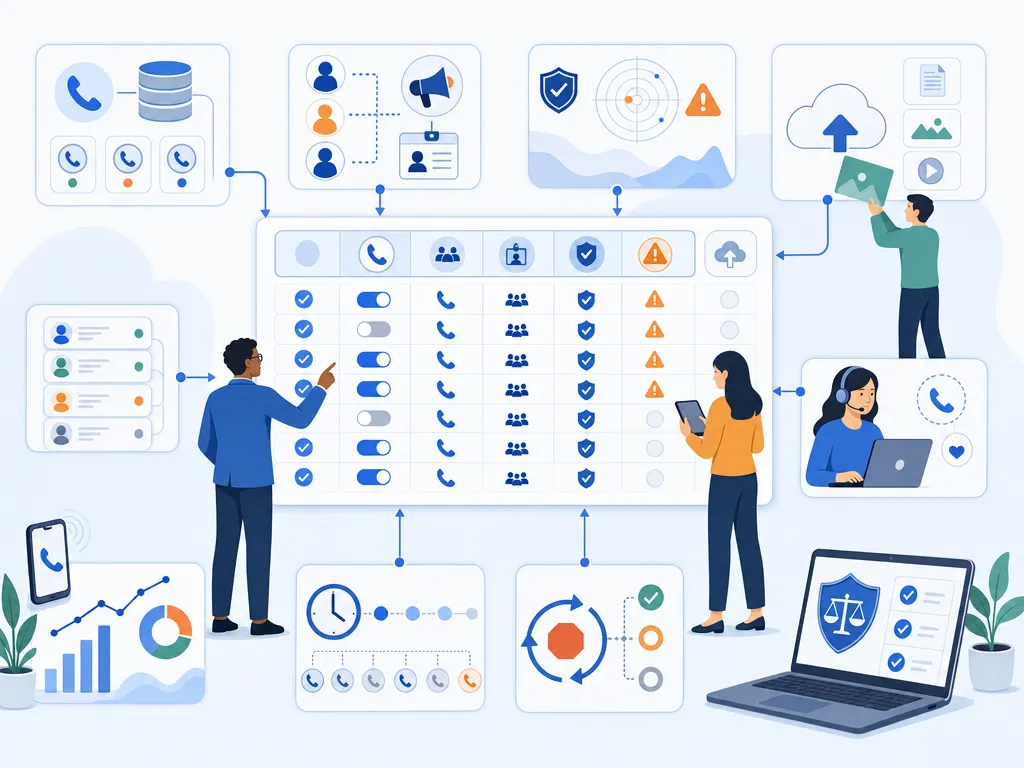
- Do we know every number being used for outbound calls?
- Is each number tied to the correct team, campaign, and business identity?
- Are we monitoring for spam, scam, or risk labels?
- Do we have a documented process for remediation requests?
- Are call lists accurate, relevant, and appropriately sourced?
- Are reps using clear, respectful, and relevant opening statements?
- Are we tracking answer rates, pickup rates, short calls, opt-outs, and complaints?
- Are we avoiding aggressive redialing or unnecessary number rotation?
- Do we have legal or compliance review for regulated calling practices?
Branded caller ID and spam remediation FAQs
How are branded caller ID and spam remediation different
Branded caller ID helps show who is calling. Spam remediation addresses negative labels such as Spam Likely or Scam Risk. One improves recognition; the other works to correct reputation or labeling problems.
Does branded caller ID stop Spam Likely labels
Not automatically. Branded caller ID may help recipients recognize your business, but spam labels are often based on separate reputation, complaint, authentication, and calling-pattern signals.
How do I fix caller ID showing as spam
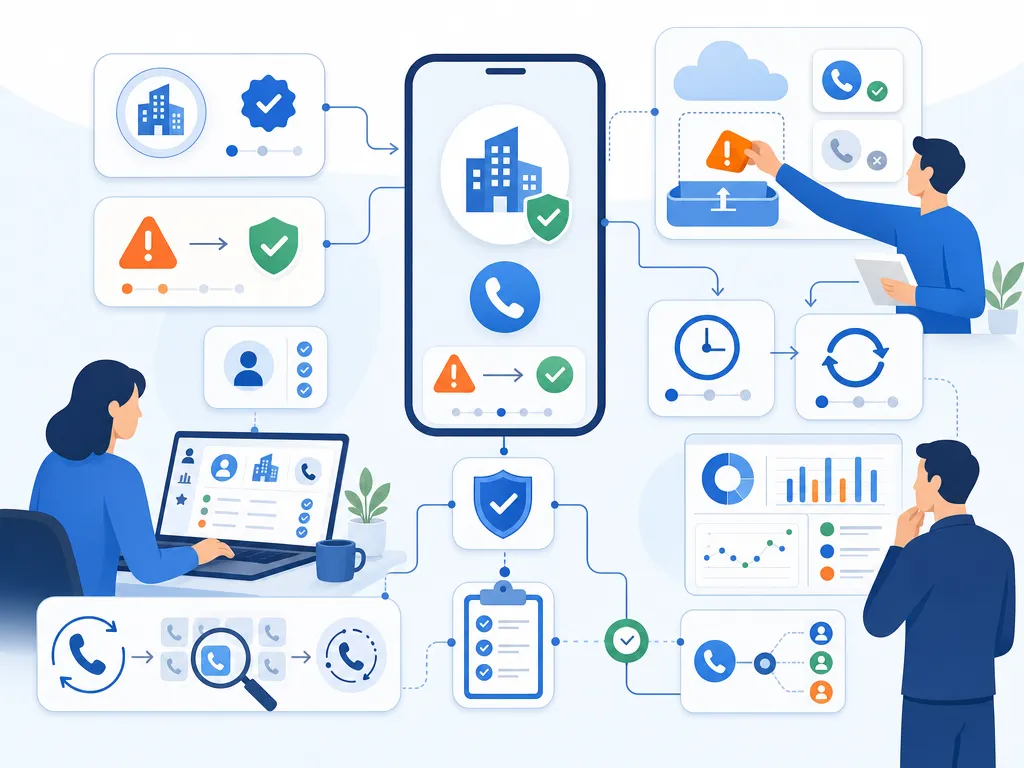
Confirm where the label appears, document the affected numbers, review your dialing behavior, verify business identity consistency, submit remediation requests through the appropriate channels, and continue monitoring after the request.
How long does spam remediation take
Timelines vary by label, network, review process, and the quality of information submitted. Updates may not appear everywhere at the same time, so ongoing monitoring is important.
Can I remove Spam Likely from caller ID permanently
No one should treat label removal as permanent. A number’s reputation can change again if call patterns, complaints, or identity signals create new risk.
Does STIR/SHAKEN prevent caller ID spam labels
STIR/SHAKEN helps authenticate caller identity and reduce spoofing risk, but it does not guarantee that a call will avoid spam labeling. Authentication is one part of the trust framework.
Should I rotate numbers to avoid spam labels
Be cautious. If the underlying issue is aggressive dialing, poor list quality, or consumer complaints, rotating numbers may simply spread the problem. It is usually better to address root causes and manage reputation directly.
Branded caller ID and spam remediation takeaway
Branded caller ID and spam remediation both support better outbound calling, but they solve different problems. Branded caller ID can make legitimate calls more recognizable. Spam remediation can help correct inaccurate labels. Caller ID reputation management ties the two together through monitoring, registration, documentation, and better calling behavior.

For sales and contact center teams, the best approach is not a quick fix. It is a repeatable process: know your numbers, monitor how they display, remediate inaccurate labels, and run outbound campaigns in a way that earns trust from the first ring.
Ready to close more deals with Kixie?
See how Kixie's AI-powered tools can transform your sales and support operations.
Start Free Trial