Without sales, your company is dead in the water.
Everything a business does is ultimately focused on selling a product or service, and it’s every sales team’s job to turn leads into paying customers or clients. So why is it that sales managers and sales enablement professionals put so little planning into effectively nurturing every possible lead into fruition?
In this article, you will learn how to plan out your sales sequences to maximize returns. You’ll find out how to plan the most effective sales cadences, what the best practices are, and how to put your intelligent plan into action.
What is a Sales Cadence?
A sales cadence is a planned sequence of contacts or touchpoints you have with a prospect, designed strategically to reach a goal. A schedule of events defines the interactions a sales representative will have with a customer through multiple channels of communication.
Communication channels you can choose to use for these touchpoints include phone, social media, email, LinkedIn, blog comments, video conferencing, text messaging, polls, website live chat—the list goes on.
Why Does an Effective Sales Cadence Work?
-
The best sales cadences give your sales representatives a solid framework to follow that’s based on best practices.
-
Prospects are contacted at the right time, every time, nurturing a stronger business relationship with each touchpoint.
-
Prospects will be contacted through multiple channels, so you will find the channel they’re most responsive to. Some people prefer social media while others prefer email, for example.
-
CRM integration with your outreach tools makes it easy to track leads throughout the cadence.
- Having calls, texts, and emails automatically synced into your CRM reduces the chance for human error when it comes to record keeping and note taking.
- Multiple salespeople can work on nurturing a lead concurrently, and if you have staff turnover, it’s easy for a new sales representative to take over.
-
A smart sales cadence adapts to how a customer responds or transfers them to an even more precise sales cadence based on their interactions.
How to Build the Best Sales Cadence
Every business is different, and trends are constantly changing. Building the most effective sales cadence for your needs is a continually evolving process. At first there will be some inevitable trial-and-error, until you find the cadences that work best for your unique business needs.
Once you’ve created a cadence that works for you, continue to monitor the efficacy of the cadence and be prepared to make adjustments as needed. Realize that the best sales cadence today won’t necessarily be the best next year, so you will need to measure, test, and optimize your sales cadences constantly.
Laying the Sales Cadence Groundwork
You can start by defining the groundwork for your cadence by asking the following questions:
- What is your goal?
- Who is your target audience?
- Can you categorize your targets into groups?
- What does the prospect need that you can offer them?
First, define the cadence objective. Is the ultimate goal of the cadence to set up a sales meeting, for example? Resist making the objective unrealistic (e.g., closing a deal on a cold prospect) and instead focus on baby steps, moving the candidate to the next level of the sales funnel.
Now, you must understand your prospects. If you have a small set of customers to target, this can mean studying them one by one and capturing the information you can use in personalization.
For larger sets of prospects, split them into discrete groups based on useful information. Geographic location, industry, and job title are reasonable ways to categorize your targets so that you can use broad personalization on them in your communication.
Identify the problem you can solve for each of these customers or groups. It’s often best to get feedback from your current customers about why they love your product and what makes it unique.
Quantified results are the value proposition that you’ll use in your messaging. Consider the language your current customers use, too, so you can speak in terms that will resonate with your prospects.
Planning Your Cadence
- Which mediums of communication will you use to contact customers?
- How often will you contact them?
- How many times will you attempt to contact them?
- How long will the entire sales cadence last?
- How can you get their attention?
Decide on the channels you’ll use to contact prospects. Don’t just stick with just emails and calls. These days, it’s better to include as many communication channels as your budget and resources will allow.
The more valuable the prospect, the more personalized and direct you can afford to be. Research how prospects in your industry like to be contacted and use that as a basis for your sales cadence.
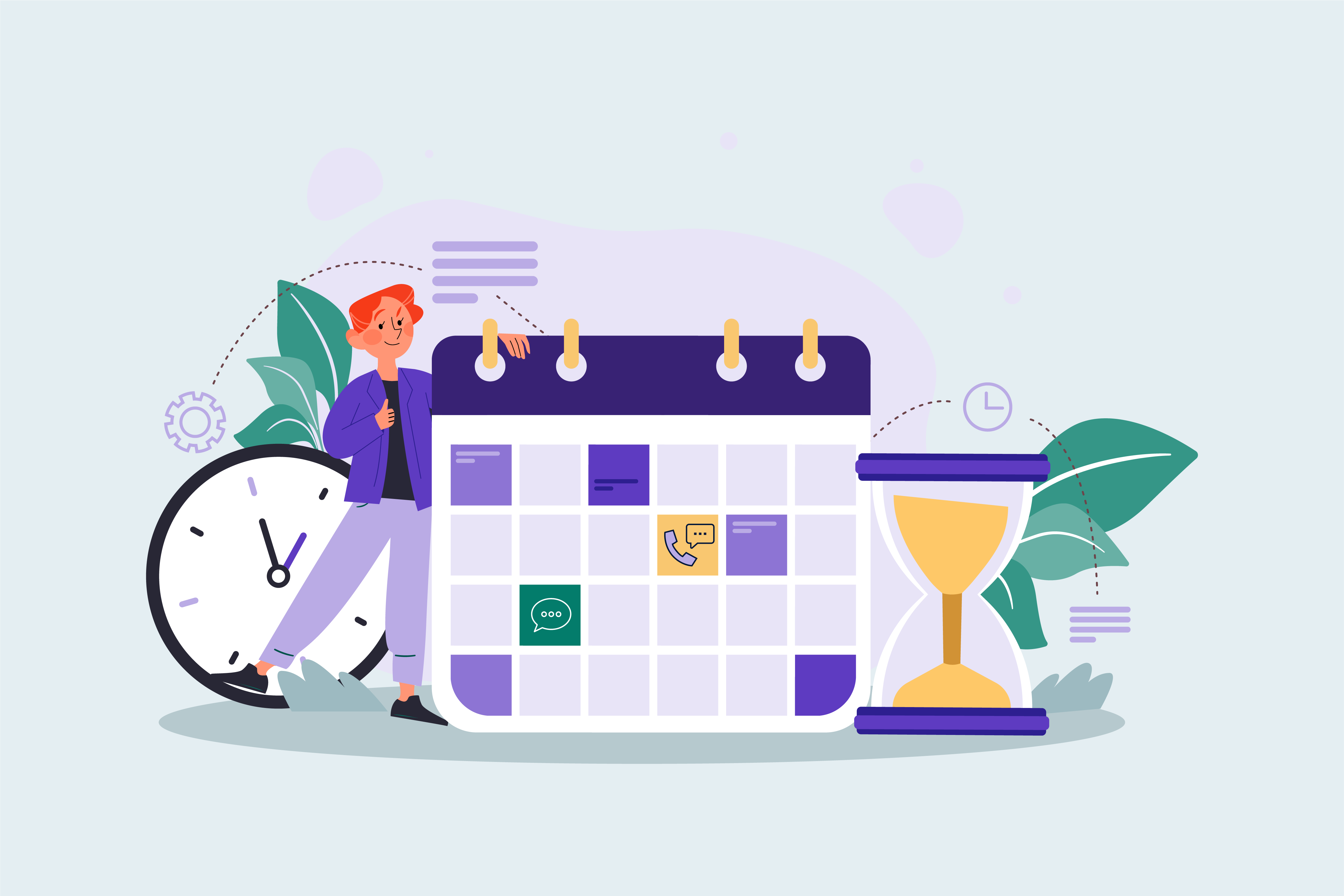
Choose the number of times you’ll contact each prospect. Most prospects take around 8-10 touchpoints to turn from cold to warm, so the number of touchpoints in a sales cadence averages around 12-15 points. Some more complex sales cadences have up to 30 touchpoints.
Consider the spacing between each touchpoint. On average, a 2-3 day spacing is about right. A daily touchpoint feels somewhat aggressive, but a weekly touchpoint allows a business relationship to go stale.
Now it’s time to choose the channel, message, and goal of each touchpoint. An early touch via social media, for example, may just be to reach out and say hi. An email touchpoint can be used to send a handy tool to a prospect that you can follow up with via social media later. We’ve put together four key ways you can improve your sales engagement.
You will have different inbound sales cadences and outbound sales cadences, but these can be closer in nature than you think. Building the relationship should be given as much priority for inbound sales as it’s given for outbound sales.
When dealing with inbound sales, instead of rushing to close a deal because a prospect has contacted you, it’s typically best to use a similar sales cadence to outbound sales but simply reduce the amount of time between touchpoints.
Using Cadence Sales Tools
Now your sales cadence is taking shape, you can use a sales cadence tool to automate a sales workflow. Automating admin tasks frees your sales team to focus on offering a personalized pitch to every prospect instead of wasting time updating a CRM or sending follow-up emails.
Features like voicemail drops, local presence phone numbers, and relevant data posted on the screen for every incoming call make sales cadence tools a vital asset. And with metrics available on every touchpoint, you can quickly find where your sales cadence requires improvement.
Sales Cadence Example for Booking More Meetings
A practical outbound sales cadence should give reps a clear next step without forcing every prospect through the same rigid path. For a cold prospect, start with a short call and voicemail on day one, follow with a personalized email that references the same pain point, add a LinkedIn touch or SMS only when it fits the relationship, and schedule the next call attempt two or three business days later.
After the first week, review which touchpoints produced replies, callbacks, or meetings. If a prospect engages, move them into a faster follow-up sequence. If they do not respond after several touches, reduce the frequency and use a final value-based email before moving them back into nurture. This keeps the cadence useful for reps and less repetitive for prospects.
Teams using Kixie can keep this process cleaner by pairing sales cadence automation with CRM integration, so calls, texts, voicemails, and follow-up notes stay attached to the right contact record.
Sales Cadence FAQ
What is an example of a sales cadence?
An example sales cadence might include a day-one call and voicemail, a same-day email, a LinkedIn touch on day three, a second call on day five, a value-based email on day seven, and a final follow-up the next week. The exact sequence should change based on lead source, deal value, urgency, and the channels your buyers actually use.
What are the 4 types of sales cadences?
Common sales cadence types include outbound prospecting cadences, inbound lead follow-up cadences, renewal or expansion cadences, and event-based cadences triggered by actions such as a demo request, missed call, website visit, or form submission.
Kixie was built for exactly this kind of multi-touch outreach. Kixie’s Cadences feature lets reps run pre-built sequences across calls, SMS, and voicemail, while ConnectionBoost local presence dialing matches the recipient’s area code to improve connect rates and Voicemail Drop leaves a pre-recorded message in a single click — so every touchpoint stays on schedule without burning rep time on manual dialing or re-recording the same voicemail.
Ready to put a smarter sales cadence into action? See Kixie pricing or book a live demo to see the cadence engine in action.
Ready to close more deals with Kixie?
See how Kixie's AI-powered tools can transform your sales and support operations.
Start Free Trial