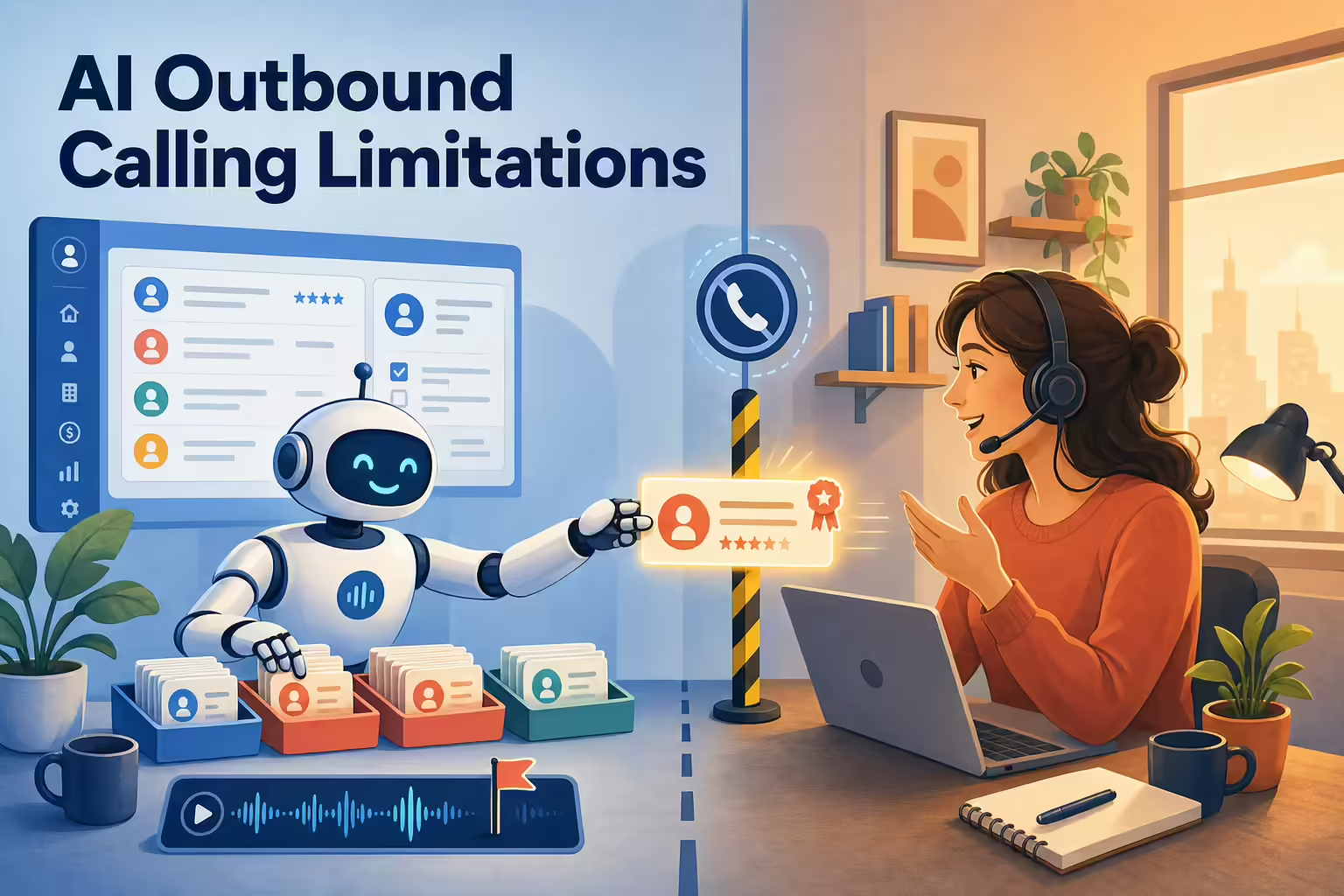
TL;DR: AI outbound calling limitations are not a reason to avoid AI. They are the operating boundaries that decide whether it helps or embarrasses you. AI is weakest exactly where outbound is hardest: earning trust in the first ten seconds, reading a buyer who changes direction mid-sentence, and negotiating anything that matters. It is also a compliance minefield when it dials or speaks without tight consent handling, because regulators treat artificial and prerecorded voice calls strictly. Where AI genuinely earns its keep is around the call, not inside it: prioritizing who to dial next, detecting a live human versus a voicemail, logging outcomes, drafting follow-up, and surfacing which conversations a manager should review. Build the boring workflow first. Give AI the assessments and the admin. Keep a human on the conversation.
The pitch is everywhere: let AI make your outbound calls. The pitch is also conveniently quiet about what happens after the prospect says something unexpected, which on a cold call is roughly always. This blog covers how AI improves outbound sales calling elsewhere; this is the other half of that conversation, and skipping it is how teams buy embarrassment at scale.
Where AI breaks down on outbound calls
The first ten seconds are a trust exam, and AI mostly fails it. A cold call survives on the prospect’s split-second judgment that a real person with a real reason is on the line. The moment a caller sounds synthetic or responds a half-beat off, the judgment flips, and it does not flip back. There is no prompt engineering around a hang-up.
Live conversation is improvisation, not retrieval. A buyer interrupts, changes topic, makes a joke, raises an objection that is really a different objection wearing a costume. A skilled rep hears the difference between “we have no budget” from the budget owner and the same words from someone guessing. Sticking to a script after the buyer changes direction is a named failure mode for human reps. An AI caller is that failure mode, productized.
Negotiation and judgment stay human. Anything involving pricing nuance, competitive positioning, an irritated buyer, or a decision about whether to push or back off is judgment work. The cost of getting it wrong lands on your brand, not on the model.
Edge cases are the job, not the exception. Wrong contact answers. Gatekeeper with questions. Prospect’s kid picks up. A rep handles these without thinking. Automation handles them by generating a story someone retells at a conference about why AI cold calls are creepy.
The compliance limitation nobody should learn the hard way
Calls made with artificial or prerecorded voices sit in the strictest tier of calling regulation, with consent requirements that most cold outreach cannot satisfy by definition. The rules differ for consumer and business calling, penalties accrue per call, and enforcement does not care how innovative the tooling is. None of this is legal advice, and that is exactly the point: before any AI speaks on a call your company makes, route the plan through counsel. If a vendor waves this off with “our customers have not had problems,” that sentence is itself the problem.
What AI does brilliantly around the call
Take the same technology and move it off the live conversation, and the picture inverts. The pattern that works: AI makes a small assessment, triggers a known workflow, or removes admin, and a human takes the conversation.
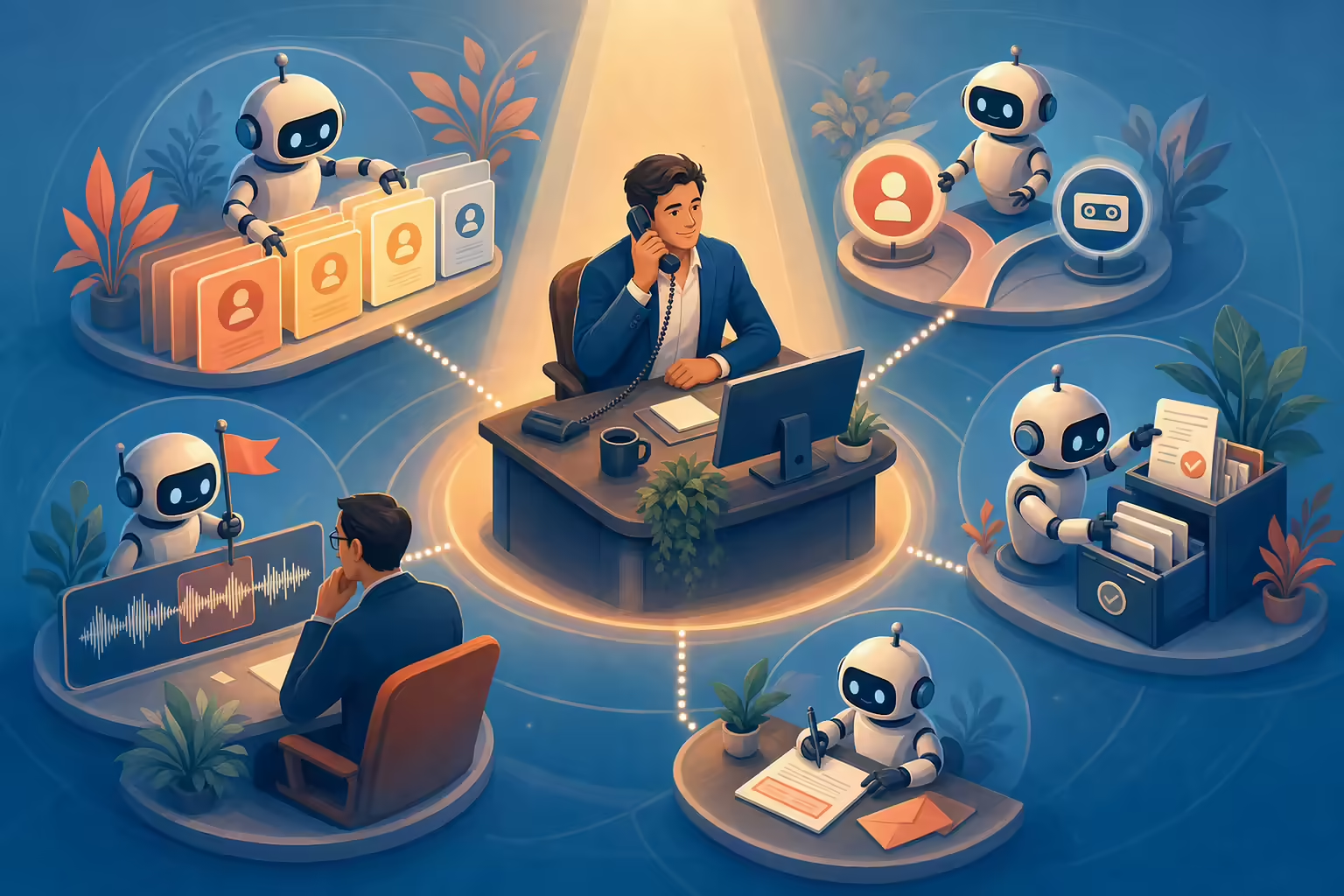
- Prioritization. Deciding who to dial next based on intent signals, engagement recency, and time zone windows is an assessment task with a clear right answer. Machines are good at it and reps are bad at it, especially at 4 p.m.
- Answer detection. Distinguishing a live human from voicemail in the first moments of a connect is narrow, well-defined, and hugely valuable at volume. That is why Kixie’s PowerDialer pairs its parallel dialing with AI Human Voice Detection: the AI does the detection, the rep does the talking.
- After-call admin. Logging the outcome, updating the CRM field, creating the follow-up task, drafting the recap text. Every minute of that work AI absorbs is a minute returned to the next conversation, and it shrinks the busywork surface where call reluctance hides.
- Conversation review at scale. No manager can listen to every call. AI can flag which recordings show a buyer pushing back, a script collapsing, or a rep improvising something worth teaching. The judgment stays with the coach; the AI just aims the coach’s attention.
- Event-driven triggers. A form fill, a missed call, a text reply: AI routing that fires a known next action within minutes is pure value with none of the live-conversation risk. Speed matters more than cleverness here, as the numbers on lead response time make plain.
How to draw the line for your team
A working rule: AI decides what deserves human attention; humans do the talking. Put any proposed AI use on one side of that line before buying anything.
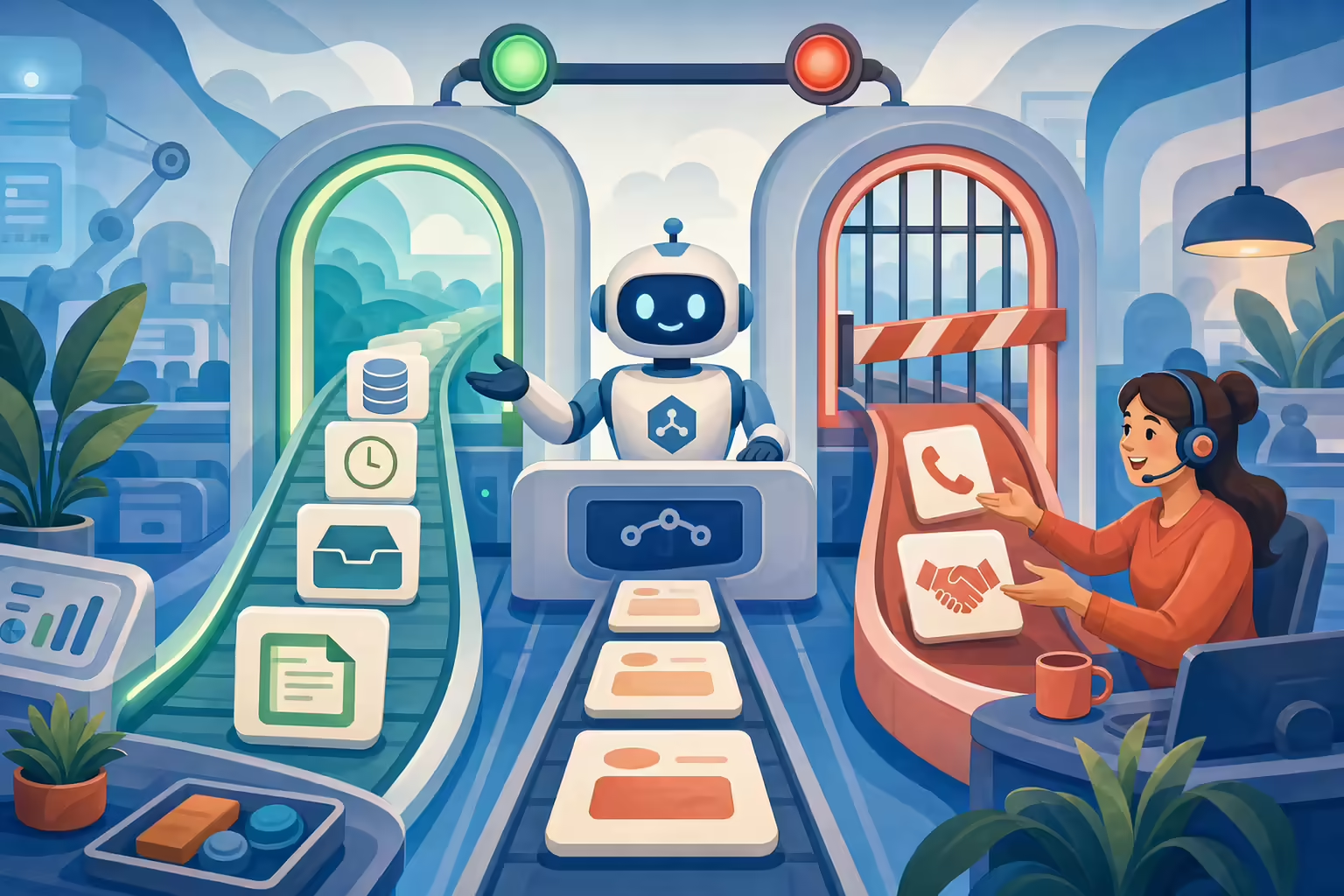
- Does it make a small, checkable assessment? Green.
- Does it remove data entry or drafting work? Green.
- Does it trigger a workflow you have already defined and tested? Green.
- Does it speak to a prospect who thinks they might be talking to a person? Red, for trust reasons and compliance reasons that compound each other.
- Does it replace a process you have not actually defined? Red, and this one is sneaky. AI cannot rescue a sales process that has no triggers, outcomes, or next steps. It just automates the confusion.
The last point deserves the emphasis. The most common AI outbound failure is not a model limitation at all. It is a team pointing AI at a workflow that was never written down, then blaming the tool when the output is noise. Define the process first. The automation gets dramatically easier to buy, configure, and evaluate afterward.
AI outbound calling limitations FAQs
Can AI make cold calls legally?
Artificial and prerecorded voice calls face the strictest consent rules in calling regulation, and cold outreach by definition lacks most forms of consent. The specifics vary by audience and jurisdiction. Do not deploy AI voice on outbound without counsel reviewing the exact use.
Will AI replace SDRs?
It is replacing chunks of the SDR workday: list building, prioritization, logging, follow-up drafting. The live conversation, the part that actually converts interest into a meeting, has moved the least. The realistic picture is fewer hours of admin per conversation, not fewer conversations needing a human.
What is the safest first AI use in outbound?
After-call automation: outcome logging, CRM updates, and follow-up task creation. It touches no prospect directly, its failures are visible and cheap, and it pays for itself in recovered rep time. Prioritization scoring is a strong second.
How do I evaluate an AI calling vendor’s claims?
Ask what happens when the buyer goes off script, ask for the compliance posture in writing, and ask where every outcome is logged. Then trial it against your own baseline of connects and conversations per hour, the same way you would evaluate any dialer. Claims that cannot survive a two-week measured trial are marketing.
Sources
Ready to close more deals with Kixie?
See how Kixie's AI-powered tools can transform your sales and support operations.
Start Free Trial