TL;DR: AI calling ROI is modeled as (incremental gross profit + avoided labor cost – total AI calling cost) / total AI calling cost, with teams tracking cost per dial, connected call, qualified conversation, booked meeting, and payback instead of comparing software fees to SDR salary alone. Human SDR baselines in U.S. B2B SaaS use $65,000 to $85,000 base salary, benefits and employment costs of $20,000 to $35,000, illustrative fully loaded cost of $98,000 annually or $8,166 monthly, 60 to 80 dials per day, 1,200 to 1,600 dials per month, $2.66 per dial at $4,000 monthly cost and 1,500 dials, or $5.44 per dial at $98,000 fully loaded cost. AI calling costs are usage based across telephony, STT, LLM, and TTS, commonly modeled at $0.11 to $0.40 per connected minute, with no-code subscriptions at $29 to $500 per month and enterprise software at $1,000 to $5,000 per month, plus setup, CRM integration, QA, maintenance, data enrichment, and human handoff time. Example math shows 1,000 completed calls at 3 minutes each equals 3,000 connected minutes and $1,050 usage at $0.35 per minute, while a Month 3 to 4 scale test of 5,000 calls at 15% connect rate and 2 minute average conversations can reach 3,000 total minutes and $450 at $0.15 per minute. The six-month benchmark has Months 1 to 2 focused on prompts, persona, CRM logging, latency, transfer rules, $500 platform fee, 20 RevOps hours, and 100 to 200 test calls with negative ROI, Months 3 to 4 running 500 calls per day against 5,000 prospects while tuning objections, handoffs, and speaking speed, and Months 5 to 6 processing 10,000 outbound attempts per month, reaching typical break-even in 60 to 90 days, avoiding replacement SDR hiring, and letting humans focus on discovery and closing. The outbound prospecting example starts with a 10,000-lead list, a human SDR capacity of about 1,500 dials per month, 6.6 SDRs needed to cover it in one month, 6 SDRs rounded down at $8,000 each or $48,000 monthly, and a 5% connection rate producing 500 conversations.
What AI calling ROI means for sales teams

The concept of AI calling ROI focuses on the financial return a company receives after investing in artificial intelligence to handle inbound and outbound phone conversations. For decades, the only way to scale a sales organization was to hire more people. If a company wanted to make twice as many cold calls, it had to hire twice as many Sales Development Representatives (SDRs). This traditional model is highly linear and extremely expensive.
Today, AI voice agents can hold natural, two-way conversations with prospects over the phone. These systems use speech-to-text technology to hear what the prospect says, large language models to decide how to respond, and text-to-speech technology to talk back in a human-like voice. Because these software programs do not require salaries, health insurance, or desk space, they change the fundamental math of sales operations.
However, calculating the true AI calling ROI requires more than just comparing software subscription fees to human wages. A practical starting formula is:
AI calling ROI = (incremental gross profit + avoided labor cost – total AI calling cost) / total AI calling cost
In that formula, total AI calling cost should include software, usage minutes, telephony, setup, monitoring, and any workflow changes required to launch safely. Revenue operations leaders should also track cost per dial, cost per connected call, cost per qualified conversation, cost per booked meeting, and payback period. Treat every number in the model as an assumption to validate against your own CRM data, not as a guaranteed outcome.
Human SDR costs for your ROI baseline
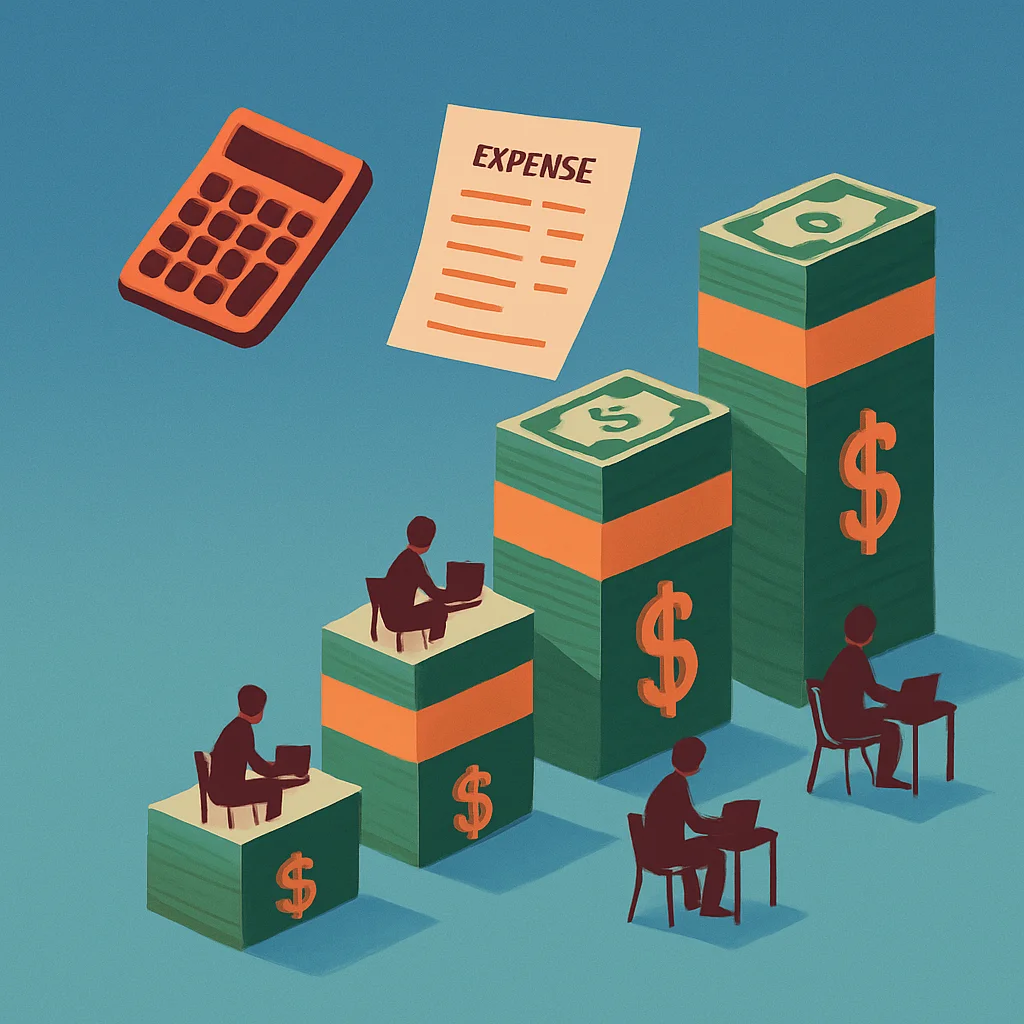
To appreciate the financial impact of artificial intelligence, we must first establish an accurate baseline of what it costs to employ a human sales representative. Many sales managers make the mistake of looking only at a base salary when calculating their costs. In reality, the fully loaded cost of an employee is significantly higher.
For a defensible AI calling ROI model, treat the human SDR baseline as more than payroll. Calculate the monthly cost of the team, then compare it with the outcomes the team produces: live conversations, qualified meetings, opportunities, and closed-won gross profit. A simple starting point is: cost per human outcome = fully loaded monthly SDR cost / monthly qualified outcomes. That gives you the “before” number AI calling needs to beat.
Salary and commission costs in ROI
For any AI calling ROI model, start by estimating the fully loaded cost of the current human calling motion. In many United States B2B SaaS markets, a planning range for SDR base salary may fall between $65,000 and $85,000, with on-target earnings (OTE) and commissions pushing total cash compensation higher. Treat these figures as assumptions to validate against your geography, segment, seniority level, and compensation plan.
Compensation is only the starting point. Employers may also need to account for payroll taxes, health benefits, retirement contributions, recruiting costs, and management overhead. For planning purposes, benefits and employment-related costs are often modeled as an additional $20,000 to $35,000 per employee, but the actual number can vary widely. The company must also provide the sales tools needed for the role, such as a customer relationship management (CRM) seat, a power dialer software license, data enrichment tools, and call recording software. Depending on the stack, those licenses can add thousands of dollars per year per representative.
When these expenses are combined, an illustrative fully loaded SDR cost can land in the high five figures or well into six figures annually. For a three-person SDR team, that means the baseline human-calling cost may reach several hundred thousand dollars per year before factoring in turnover, ramp time, or lost productivity. This baseline is the number AI calling costs should be compared against, rather than salary alone.
Attrition and ramp time in ROI
The direct costs represent only part of the financial burden. The human element introduces variability that should be included in any AI calling ROI model. The first major hidden cost is ramp time. When a new SDR is hired, they may not reach full productivity for several months. Using the salary assumptions above, a company could spend an estimated $8,000 to $10,000 in salary during this training period before the representative produces a measurable return on the investment.
The second hidden cost is employee turnover. The SDR role can involve high volumes of rejection, repetitive outreach, and fast performance cycles, which can make retention difficult. Depending on the market, company, and segment, SDR tenure and annual attrition can vary widely. Every time a representative leaves, the company loses productivity and must spend money recruiting, interviewing, onboarding, and training a replacement. For planning purposes, some teams model turnover as a five-figure cost per departing employee, but this assumption should be replaced with your own recruiting and ramp data whenever possible.
Finally, human productivity has practical limits. SDRs often spend a meaningful share of the day on administrative tasks, writing emails, attending internal meetings, researching accounts, and logging data into the CRM. A reasonable baseline for many teams is 60 to 80 dials per day per SDR, though actual output depends on list quality, workflow, tooling, talk time, and follow-up requirements. Teams focused on high-volume cold calling often use automation to push well past that ceiling. Working 20 days a month, this equals roughly 1,200 to 1,600 dials per month.
If we divide a conservative $4,000 monthly cost by 1,500 dials, the business is paying approximately $2.66 for every phone number dialed. If we use the fully loaded $98,000 annual planning cost from the previous section ($8,166 per month), the modeled cost per dial increases to about $5.44. These figures are best treated as baseline assumptions for comparison, not guaranteed benchmarks for every sales team.
How AI calling costs work

While human costs are largely fixed and heavily tied to time, AI voice agent costs are variable and tied directly to usage. A practical AI calling ROI model should separate usage-based costs from one-time setup and ongoing management costs.
Use this baseline formula before comparing scenarios: AI calling ROI = (incremental gross profit + avoided labor cost – AI calling costs) / AI calling costs. For payback, compare total setup and monthly AI calling costs against the monthly gross profit or labor savings the workflow creates.
- Cost inputs: call minutes, telephony usage, AI usage, setup work, maintenance, QA, and human handoff time.
- Revenue inputs: qualified conversations, booked meetings, show rate, opportunity creation, close rate, average contract value, and gross margin.
- Efficiency inputs: avoided manual dialing, faster lead response, cleaner dispositions, and reduced repetitive follow-up work.
AI calling infrastructure and minute costs
AI calling platforms typically use either a pay-as-you-go model or a subscription plus usage fee model. For ROI planning, the key is to separate variable usage costs from fixed platform, setup, and maintenance costs.
The variable cost of an AI phone call usually includes several technologies working together: telephony to connect the call, Speech-to-Text (STT) to transcribe the prospect, a Large Language Model (LLM) or conversation engine to generate the response, and Text-to-Speech (TTS) to produce the AI voice.
Some platforms bundle these services into one per-minute rate, while others charge a base platform fee and pass through individual component costs. As a planning assumption, many teams model an all-in usage range of roughly $0.11 to $0.40 per connected minute, then replace that estimate with the current vendor quote before making a purchase decision.
A simple calculator line item looks like this:
- Monthly AI calling cost = connected minutes × blended per-minute rate + platform fees + setup or support costs
- Connected minutes = number of completed calls × average call duration
- Cost per qualified conversation = monthly AI calling cost ÷ qualified conversations created
For example, if a campaign completes 1,000 calls in a month and the average call lasts 3 minutes, it uses 3,000 connected minutes. At a modeled all-inclusive rate of $0.35 per minute, usage cost would be $1,050 for that month before any additional platform, setup, or support fees. This makes the per-minute assumption, average handle time, and qualification rate important drivers of AI calling ROI.
AI calling setup and maintenance costs
While the per-minute costs are incredibly low, businesses must also account for setup and maintenance. Setting up an AI voice agent requires configuring the script, connecting the system to the company CRM, testing the voice parameters, and cleaning the contact data lists.
For platforms that require no coding knowledge, monthly subscription fees usually range from $29 to $500 per month on top of minute usage. For enterprise-grade implementations that handle complex routing and deep database integrations, companies might spend $1,000 to $5,000 per month for the software subscription.
Furthermore, AI platforms require high-quality data to function well. If you feed an AI agent a list of bad phone numbers, it will dial them relentlessly, wasting money on voicemail drops and disconnected lines. Therefore, investing in premium data enrichment tools is a necessary maintenance expense to maximize your AI calling ROI.
6 month AI calling ROI results
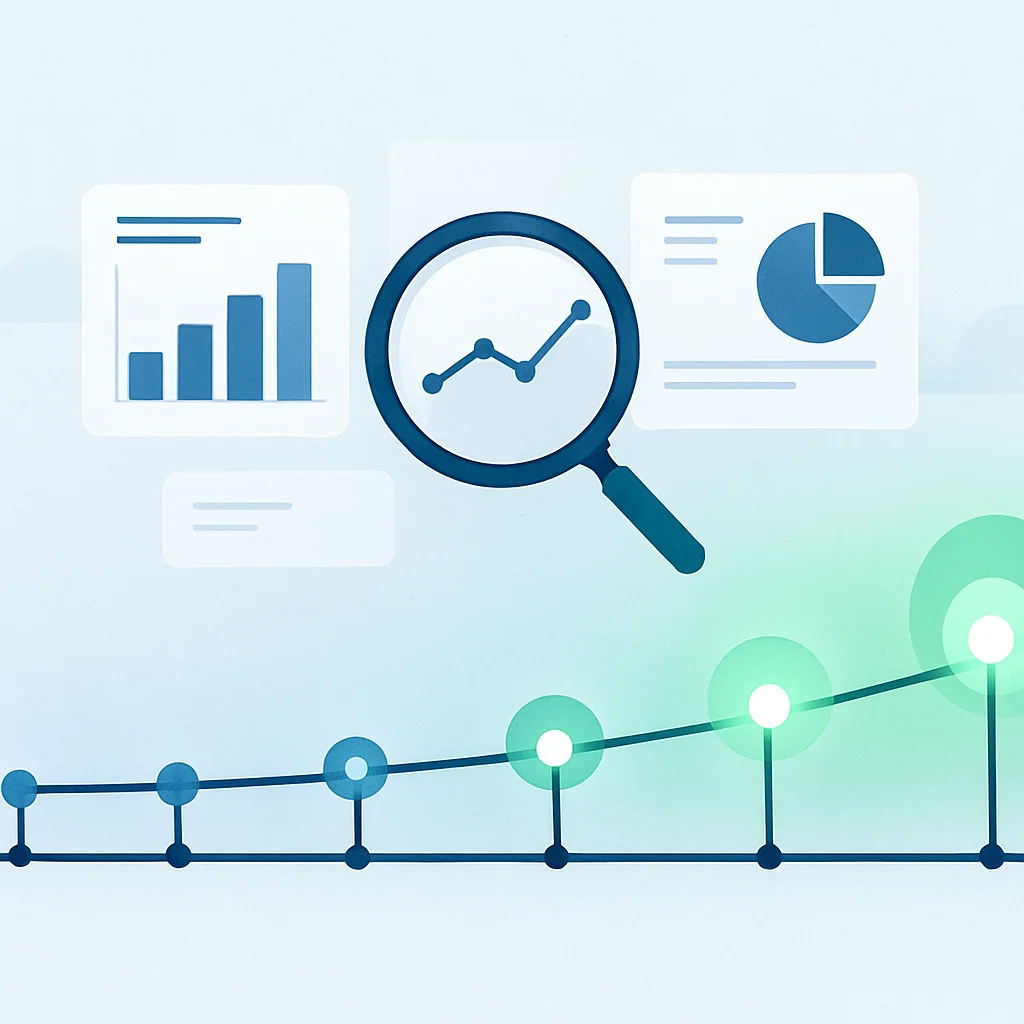
To accurately measure AI calling ROI, companies must look beyond the first few weeks of deployment. The initial setup period involves learning curves and adjustments. A standard six-month testing timeline reveals how costs and revenues balance out over time. Here is a realistic breakdown of what happens during a six-month deployment phase for a mid-sized B2B company transitioning part of its outbound sales to AI.
Months 1 to 2 AI calling setup and testing
During the first 60 days, the focus is entirely on technical integration and workflow design. The company selects a platform and begins building the AI’s “brain.” This involves writing the base prompts, giving the AI its persona, and setting the rules for when it should transfer a call to a human.
In this phase, costs are primarily related to software subscriptions and human labor for setup. The company might spend $500 on the platform fee and dedicate 20 hours of a Revenue Operations manager’s time to build the integration. During Month 2, the team runs small test batches of 100 to 200 calls to measure latency (the delay before the AI speaks) and ensure the CRM logging works correctly.
The ROI during this phase is technically negative. The company is spending money on platform fees, engineering time, and small amounts of usage minutes, but the AI is not yet handling enough volume to generate substantial pipeline or replace human effort.
Months 3 to 4 AI calling scaling and tuning
By Month 3, the AI agent is deployed into a live production system. The company loads a list of 5,000 cold prospects. The AI begins making calls at a rate of 500 per day. At this volume, new challenges emerge. The team discovers that the AI handles standard objections well, but struggles when prospects ask highly specific technical questions.
To fix this, the team updates the AI’s prompt instructions to gracefully hand off complex questions to human representatives. They also adjust the AI’s speaking speed to sound more natural.
Financially, the minute costs begin to rise. If the AI makes 5,000 calls, and 15% connect for an average of 2 minutes, the business consumes 1,500 active minutes. Add the time spent navigating voicemails, and the total usage might reach 3,000 minutes. At $0.15 per minute, the usage bill is $450. The AI begins successfully booking meetings, generating early pipeline. At this stage, the company is starting to see the operational benefits. Human SDRs notice their calendars filling with meetings they did not have to cold call to get.
Months 5 to 6 AI calling break even
In the final two months of the testing window, the system hits its stride. The AI is now processing 10,000 outbound attempts per month without human fatigue. The calibration from Month 3 and 4 results in smoother conversations and higher conversion rates.
Most enterprises experience a total financial break-even point in 60 to 90 days. By Month 6, the initial setup costs have been entirely offset by the savings in labor and the newly generated revenue pipeline. The company no longer needs to hire a planned replacement for an SDR who recently quit, immediately saving thousands in recruitment and salary costs.
Because the AI handles the repetitive top-of-funnel qualification, the remaining human sales staff focus entirely on closing deals and running complex discovery calls. Teams running this specific hybrid split have reported up to 2.5x revenue growth because humans are doing exclusively high-leverage work. By the end of Month 6, the AI calling ROI is highly positive, clearly documented, and operating on a predictable financial model.
AI calling ROI examples
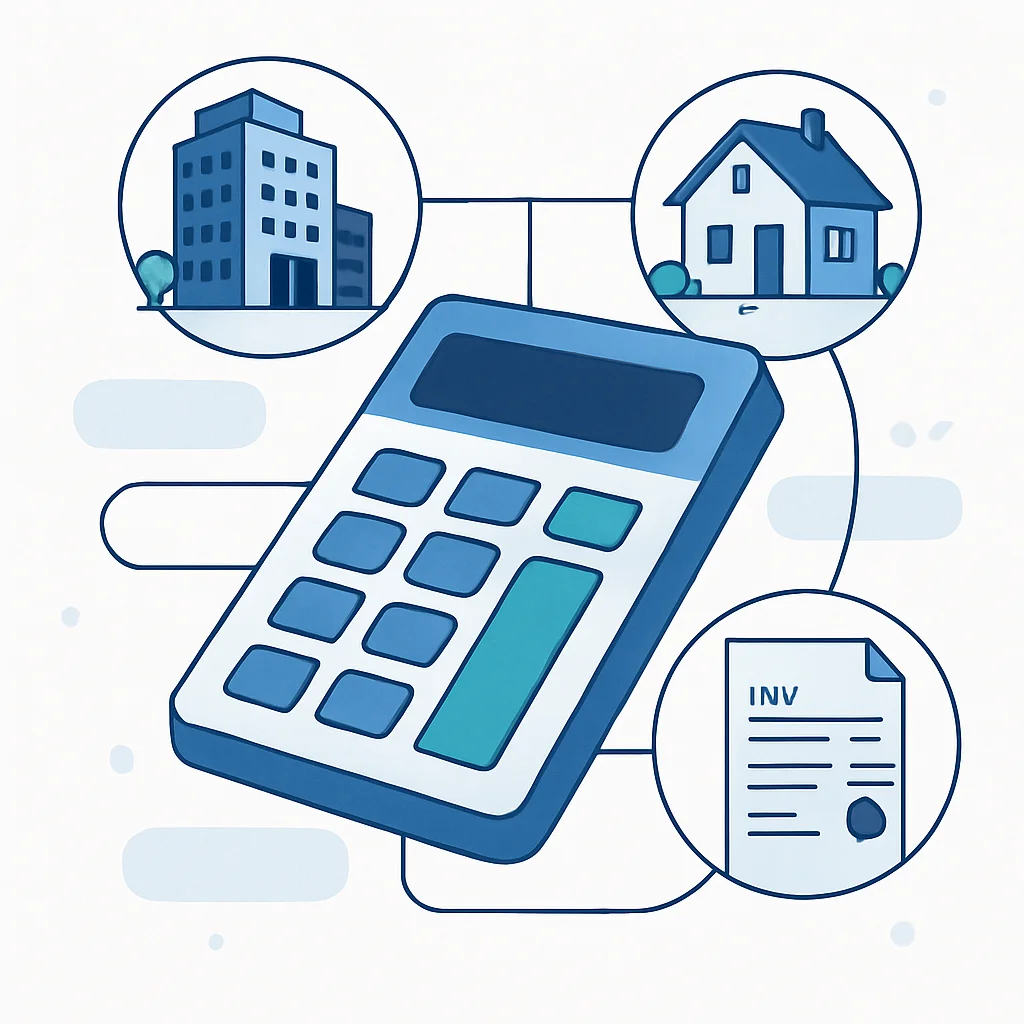
To move past theory, we must examine the specific math applied to real-world business scenarios. The following worked examples demonstrate how to calculate unit economics for different use cases.
AI calling ROI for outbound prospecting
Imagine a software company wants to contact a purchased list of 10,000 potential buyers.
Using a Human SDR Team
A single human SDR makes roughly 1,500 dials per month. To call 10,000 leads in one month, the company needs 6.6 SDRs. Let us round down to 6 SDRs working at maximum capacity.
- Fully loaded cost per SDR: $8,000 per month.
- Total cost for 6 SDRs: $48,000 per month.
- Assuming a standard 5% connection rate, they speak to 500 people.
- Out of 500 conversations, a good human team might convert 5% into booked meetings.
- Total meetings booked: 25.
- Cost per booked meeting: $1,920 ($48,000 / 25).
Using an AI Voice Agent
The company uploads the same list of 10,000 numbers to an AI platform.
- The AI calls all 10,000 leads over a few days.
- Assuming the same 5% connection rate, the AI speaks to 500 people.
- Assume the AI has a slightly lower conversion rate than humans because it lacks deep empathy. It converts 3% of conversations into meetings.
- Total meetings booked: 15.
- Cost calculation: 500 live calls at 3 minutes each = 1,500 minutes. 9,500 voicemails and drops at 0.5 minutes each = 4,750 minutes. Total time: 6,250 minutes.
- At a rate of $0.20 per minute, the total usage cost is $1,250.
- Cost per booked meeting: $83.33 ($1,250 / 15).
Even with a lower conversion rate, the AI produces meetings at a fraction of the cost. The company saves over $46,000 and still generates substantial pipeline.
AI calling ROI for inbound lead response
Speed to lead is critical in sales. The first company to call an inbound lead back within 5 minutes is significantly more likely to connect than a company that calls back 30 minutes later.
A real estate agency receives 1,000 inbound web inquiries per month. Human agents often miss these calls because they are out showing houses or it is outside of business hours. Hiring a dedicated inside sales agent (ISA) to monitor inbound leads costs roughly $4,000 to $6,000 per month when including benefits. Furthermore, covering nights and weekends would require a second shift worker.
By implementing an AI voice agent, the agency ensures every web form submission receives a phone call within two minutes, 24 hours a day, 7 days a week. The AI handles the 1,000 leads, asking basic qualification questions about budget and timeline.
- Total AI platform and minute costs: $500 to $1,500 per month.
- Savings against human ISA: Up to 70% to 85% reduction in lead management costs.
- Additionally, because the AI never sleeps, it captures leads at 2:00 AM that would previously have gone to a competitor, creating net-new revenue that improves the ROI further.
AI calling ROI for invoice follow up
Sales teams are not the only ones making calls. Finance departments spend significant time chasing late payments. An industrial supply company has 500 overdue invoices each month.
Traditionally, accounting staff send emails that get ignored. Calling 500 clients takes hours of human labor, distracting the finance team from higher-level accounting work. Hiring a collection agency can cost 25% to 50% of the collected amount.
Using an AI voice agent, the company automates polite but firm phone calls to all 500 accounts on day 31 of non-payment. Pairing this with call sentiment analysis helps flag hostile responses early so the system can escalate appropriately.
- 500 calls averaging 2 minutes = 1,000 minutes.
- At $0.15 per minute, the monthly cost is $150.
- The AI successfully secures payment commitments from 20% of the list simply by creating a sense of urgency that an email cannot match.
- The company improves its cash flow and reduces its Days Sales Outstanding (DSO) for just $150, achieving an immediate and massive return on investment.
Top AI calling platforms compared
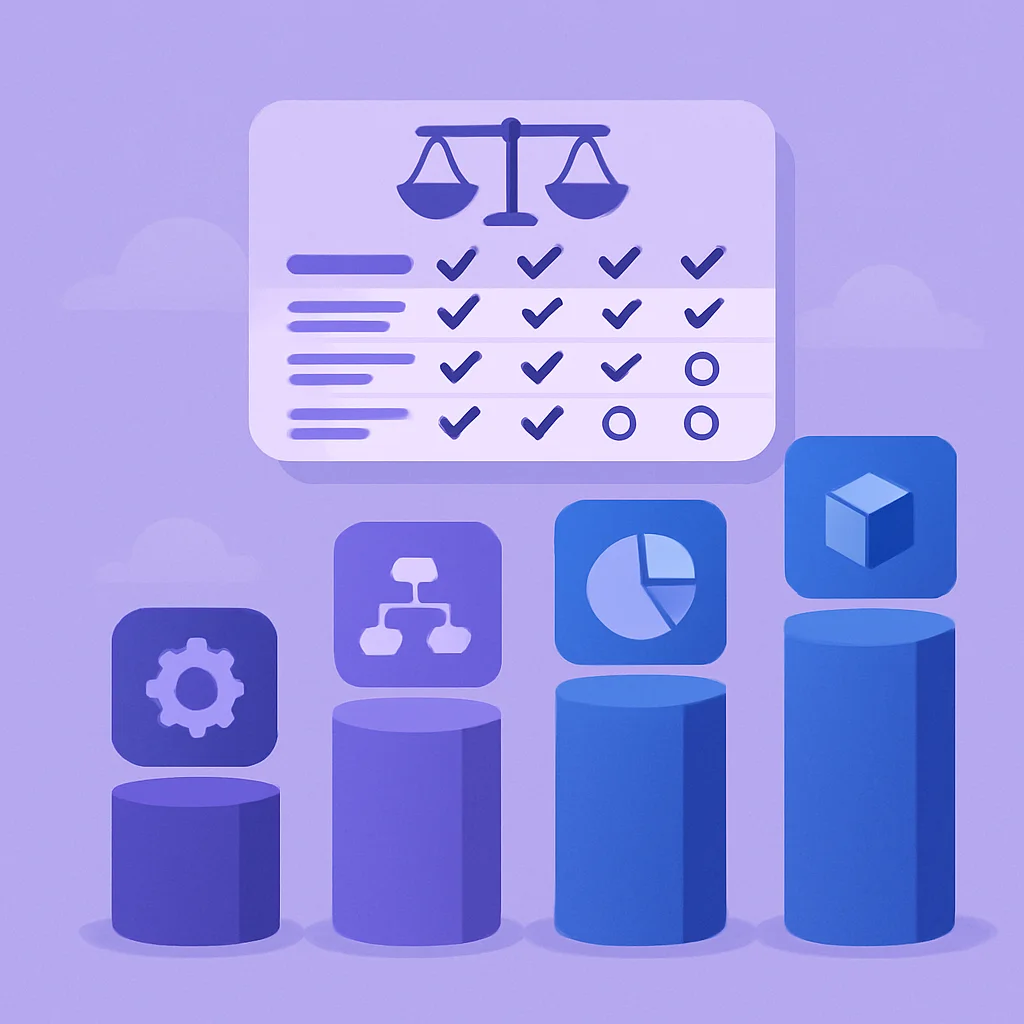
Choosing the right technology provider heavily influences your AI calling ROI. Some platforms are built for software developers and offer rock-bottom infrastructure pricing, while others are built for sales managers and charge a premium for a simple, visual interface.
Below is a comparison of four major platforms frequently evaluated by revenue operations leaders.
AI calling platform pricing and features
| Platform Name | Target Audience | Base Pricing Model | Estimated All In Cost Per Minute | Key Differentiator |
|---|---|---|---|---|
| Vapi | Software Developers | $0.05/min platform fee (plus external LLM/TTS costs) | $0.13 to $0.31+ | Maximum flexibility; users can bring their own custom AI models. |
| Retell AI | Enterprise & Developers | $0.07 to $0.08/min base fee (plus external telephony/LLM) | $0.13 to $0.31+ | Extremely low latency and high reliability; transparent cost structure. |
| Bland AI | Enterprise Operations | $0.09/min usage fee (plus subscription for advanced features) | $0.09+ | Powerful mid-call API actions; handles massive concurrent call volumes. |
| Synthflow | Agencies & Non-Technical Teams | Bundled subscription ($29/mo starter) plus usage | $0.11 to $0.16 | No-code visual builder; pricing includes the LLM and voice generation. |
AI calling infrastructure options
When reviewing the table above, it is important to understand the difference between a “platform fee” and an “all-in” cost. For example, Vapi advertises a highly attractive $0.05 per minute rate. However, this fee only covers their routing infrastructure. The user must still pay separate bills to Twilio for the phone line, OpenAI for the brain, and ElevenLabs for the voice. Once all these pieces are combined, the true cost sits between $0.13 and $0.31 per minute.
Conversely, platforms like Synthflow provide a bundled approach. A user might pay an effective rate of $0.12 per minute, but they do not have to manage API keys from three different software vendors. For a small business without a dedicated engineering team, paying a slightly higher per-minute rate for a bundled, no-code platform often yields a better AI calling ROI because it saves dozens of hours in setup and maintenance labor.
AI calling benefits beyond cost savings

While cutting the cost per dial is the most obvious financial benefit, the true value of AI voice agents extends into strategic operational improvements. These secondary benefits compound over time to drive revenue growth.
AI calling speed to lead and conversions
As mentioned in the worked examples, modern consumers and B2B buyers expect instant gratification. When a prospect fills out a form requesting a product demo, their intent is highest at that exact moment. An AI voice agent can instantly dial that prospect within seconds of the form submission. Human teams simply cannot match this speed consistently, especially during high-volume periods or outside standard working hours. Contacting a lead within the first 5 minutes can increase conversion rates by up to nine times. The data behind speed to lead response time statistics confirms this pattern across industries. By capturing intent at its peak, AI agents turn more raw leads into qualified pipeline.
AI calling data quality and CRM cleanup
One of the largest hidden frustrations in sales management is getting human representatives to accurately log their activities. SDRs frequently forget to update fields, leave incomplete notes, or fail to log calls entirely. This creates a messy CRM system, making it impossible for leaders to forecast revenue accurately.
AI voice agents eliminate this problem completely. Because they are software, they automatically transcribe the entire conversation, summarize the key points, extract specific data (like a prospect’s budget or timeline), and instantly sync that data into the appropriate fields in Salesforce or HubSpot. This perfect data hygiene allows marketing teams to see exactly which campaigns are driving qualified calls and allows sales leaders to optimize their strategies based on perfect conversational data.
AI calling and higher value sales work
Perhaps the most important strategic benefit is the promotion of human talent. Implementing AI does not necessarily mean firing all your human staff. Instead, it allows a company to redeploy humans to tasks that require genuine empathy, complex negotiation, and relationship building.
If an AI handles the grueling work of calling 500 people to find the 10 who are interested, the human SDR can spend their entire day having deep, meaningful conversations with those 10 warm prospects. This shift reduces employee burnout, lowers the expensive turnover rate discussed earlier, and creates a much more effective sales motion. The SDR role evolves from a volume-based dialing machine into a strategic account development position. Pairing AI qualification with live sales coaching accelerates this transition.
AI calling risks and hidden costs
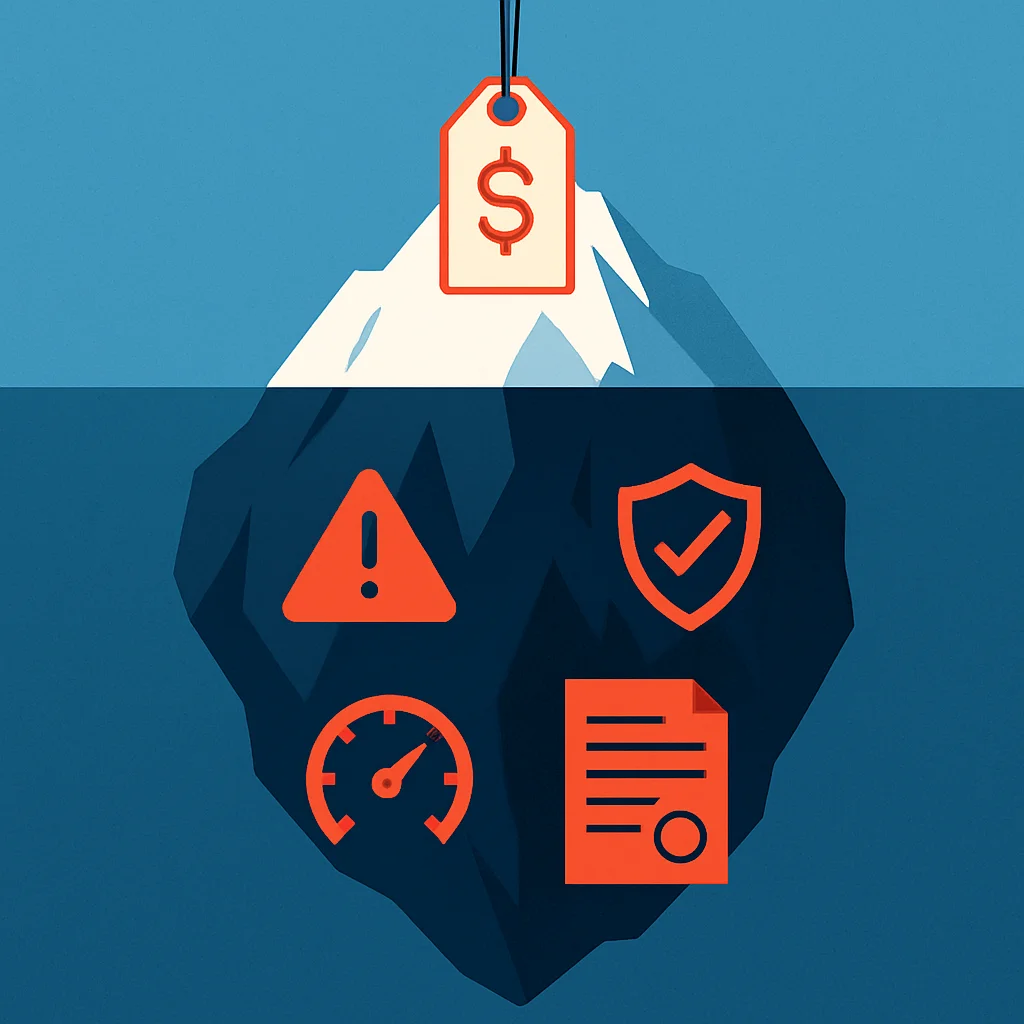
To maintain a neutral and factual perspective, it is vital to acknowledge the risks and potential hidden costs that can degrade your AI calling ROI if not managed properly.
AI calling telephony and LLM overage fees
Because AI platforms charge based on usage, poorly configured campaigns can drain budgets rapidly. If an AI is not programmed to recognize a voicemail properly, it might sit on the line for three minutes talking to an answering machine. Multiply this error across 5,000 calls, and the company wastes hundreds of dollars on empty airtime. Furthermore, if a business uses a platform that passes along LLM costs directly, a highly talkative prospect who engages the AI in a 20-minute conversation will run up the processing bill. Proper testing and setting strict call duration limits are required to protect the budget.
AI calling compliance and data security
Telephone outreach is heavily regulated. In the United States, the Telephone Consumer Protection Act (TCPA) dictates when and how companies can use automated dialers. Organizations must ensure they have proper consent to call prospects. A clear understanding of telemarketing laws by state is essential before scaling any automated outreach. Furthermore, if the AI agent is discussing sensitive information such as in healthcare scheduling or financial debt collection the platform must be HIPAA or SOC2 compliant. Many platforms charge a premium, sometimes up to $1,000 extra per month, to provide certified compliant environments. Failing to account for these compliance costs, or worse, facing a regulatory fine, will instantly destroy any positive ROI generated by the system.
AI calling ROI FAQs
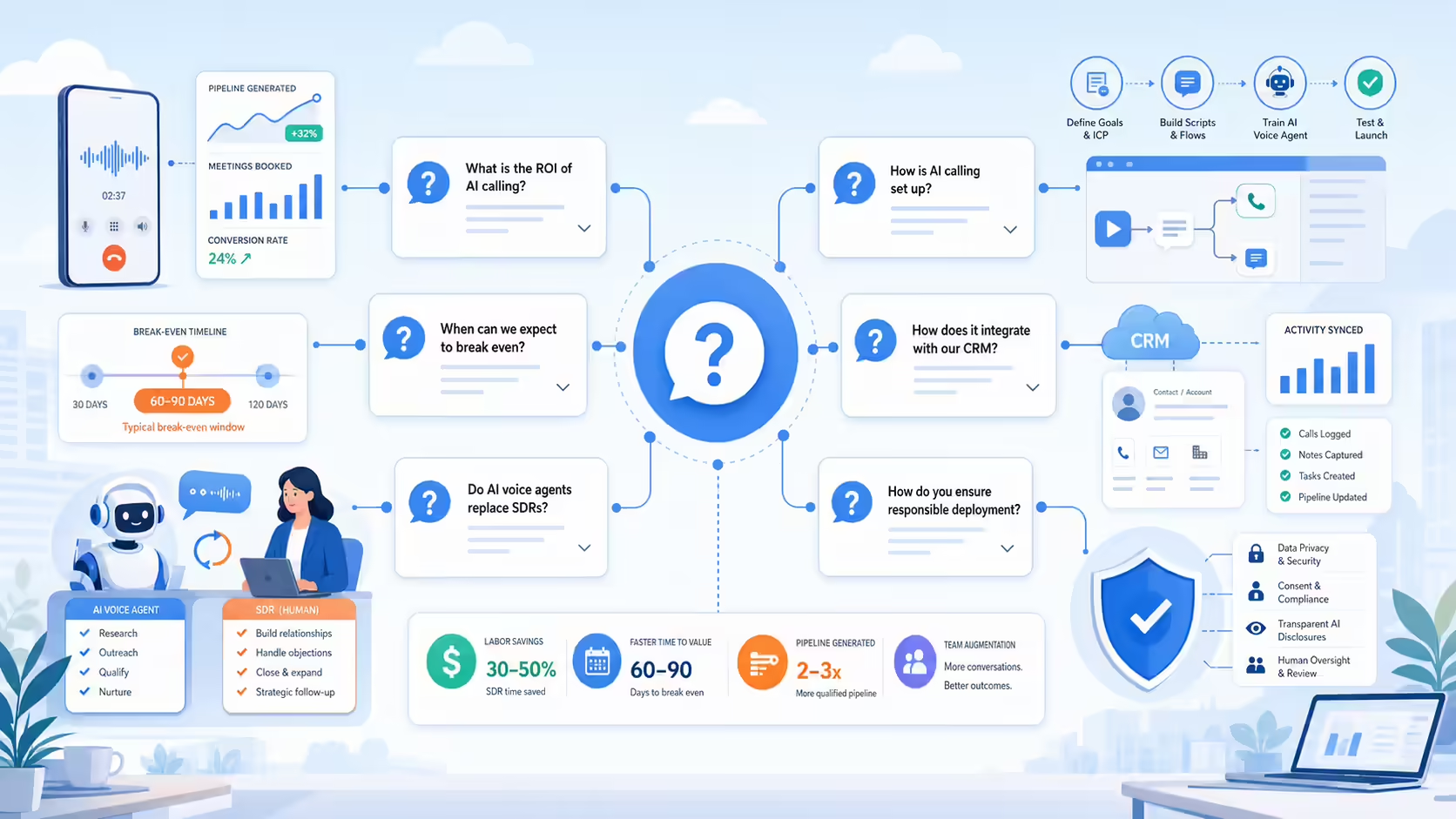
How long until AI calling delivers positive ROI?
Most enterprise data indicates a break-even point occurs between 60 and 90 days after deployment. The first 30 days are generally dedicated to setup, script optimization, and CRM integration. By the third month, the system operates at a high enough volume to offset its implementation costs through labor savings and generated pipeline.
Will AI calling replace human SDRs?
It is highly unlikely that AI will replace the need for human sales professionals entirely. Instead, AI handles the repetitive, high-volume tasks like cold outreach, basic qualification, and appointment scheduling. Humans remain essential for complex negotiations, handling nuanced objections, and building the trust necessary to close medium to large deals. The most successful model is a hybrid approach where AI feeds qualified leads to human closers.
How much does each AI calling conversation cost?
Depending on the platform and the required features, the all-in cost for an AI phone call ranges from $0.11 to $0.40 per minute. For an average 3-minute conversation, expect to pay between $0.33 and $1.20 per completed call. This is vastly cheaper than the $6.00 to $7.00 per-call cost associated with fully loaded human labor.
Do you need code to set up AI calling?
No. While developer-focused platforms like Vapi require technical knowledge, the market has seen a surge in “no-code” platforms like Synthflow. These tools offer visual, drag-and-drop interfaces that allow sales managers and revenue operations professionals to build, test, and deploy AI voice agents without writing any code.
What if AI calling makes a mistake?
AI models can sometimes “hallucinate” or provide incorrect information. To mitigate this risk, modern platforms allow users to put strict “guardrails” on the AI’s prompt instructions. You can instruct the AI to only use specific knowledge base documents and to transfer the call to a human immediately if the prospect asks a question outside of its approved parameters. Monitoring call transcripts during the testing phase helps identify and correct these issues quickly.
Note: The answers below are intended for ROI planning, not guaranteed results. Actual payback depends on call volume, list quality, connect rates, conversion rates, gross margin, implementation scope, and applicable calling requirements. Validate assumptions in your CRM and consult qualified legal or compliance advisors where needed.
AI calling ROI takeaways
The transition toward automated voice technology represents a fundamental shift in business economics. Based on extensive market data and six months of testing parameters, the AI calling ROI is highly positive for businesses that rely on phone-based outreach or inbound lead qualification.
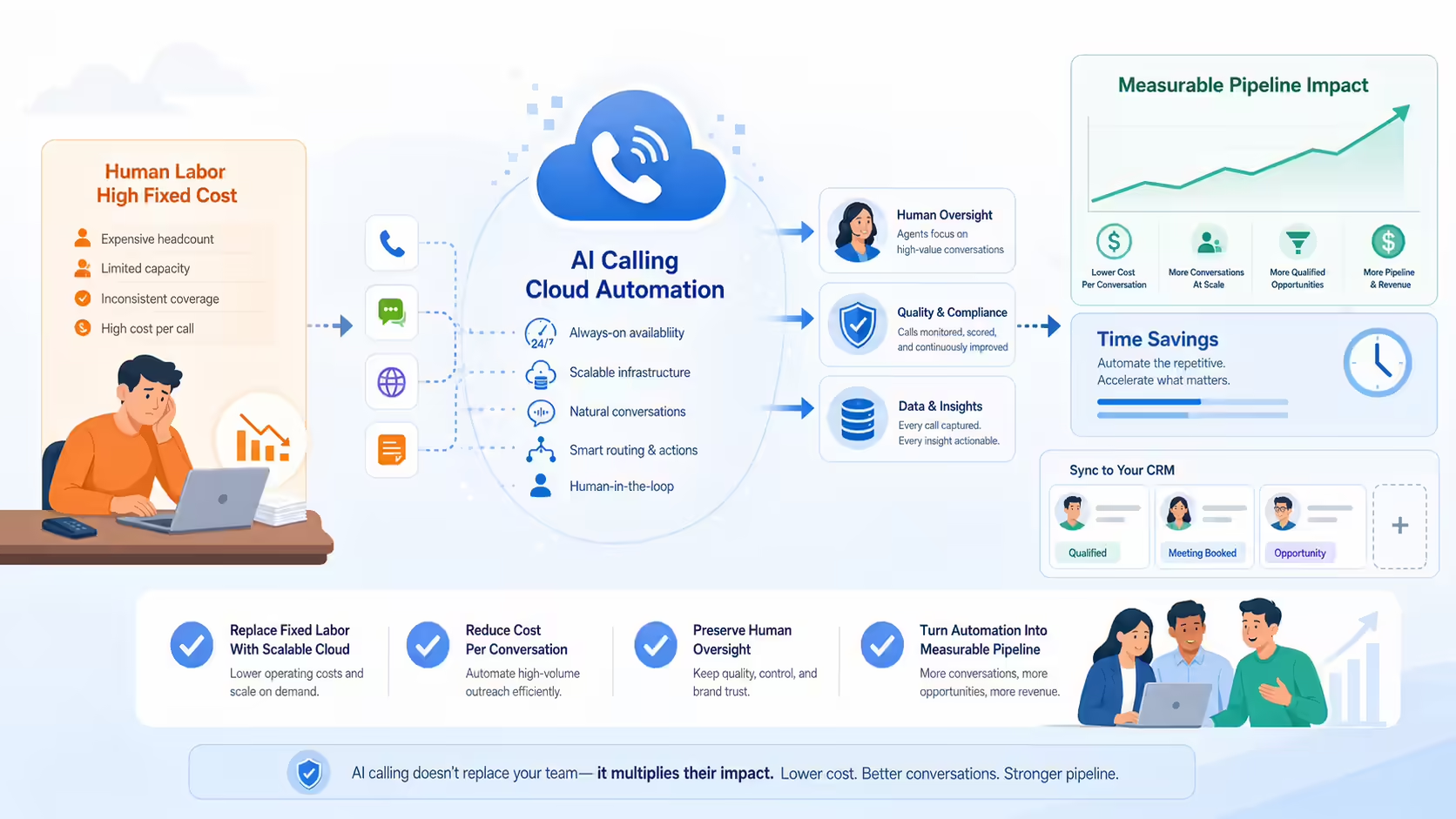
The core financial advantage stems from replacing fixed, expensive human labor with variable, low-cost cloud infrastructure. For teams ready to explore the broader market, the latest sales automation statistics put these cost shifts in context. While a human SDR team easily costs hundreds of thousands of dollars annually when accounting for salaries, benefits, software, and turnover, an AI system can process an identical volume of calls for a fraction of that expense. Real-world testing shows that within 60 to 90 days, businesses can achieve a clear break-even point.
However, realizing this return requires disciplined implementation. Companies must choose the right platform balancing developer flexibility against no-code simplicity and invest time in script calibration and data hygiene. Ultimately, the greatest value of AI voice agents is not just the money saved on phone bills. It is the ability to run sales operations 24/7, guarantee perfect CRM data entry, and free human employees from repetitive dialing tasks so they can focus entirely on closing deals.
Ready to close more deals with Kixie?
See how Kixie's AI-powered tools can transform your sales and support operations.
Start Free Trial