TL;DR: Customer engagement strategies are intentional lifecycle actions across phone, email, SMS, live chat, social media, events, self-service content, onboarding, support, and account reviews that help teams have the right conversation with the right person at the right time in the right channel, with 15 core plays including faster inquiry response, omnichannel continuity, context-based personalization, coordinated phone SMS email outreach, strong onboarding, lifecycle milestone messages, churn-risk follow-up, closed-loop feedback, helpful content, communities and advocacy, loyalty and referral rewards, social conversation management, cross-team alignment, automation with human judgment, and ongoing measurement. The article defines engagement as ongoing interactions, experience as the customer’s overall perception, and satisfaction as evaluation of a specific outcome, then maps lifecycle tactics for prospects, new customers, and active customers with goals, channels, and metrics such as response time, connect rate, meeting booked rate, conversion rate, email reply rate, onboarding completion, time to first value, early support volume, and customer satisfaction. Key operating rules are to set service-level expectations, route inquiries quickly, prioritize demo requests pricing questions urgent support issues and renewal concerns, preserve shared customer context across handoffs, use SMS only when appropriate and permissioned, trigger messages by time behavior usage purchase history renewal dates or status, watch churn signals like lower usage repeated support issues missed meetings negative survey responses stakeholder changes delayed payments and renewal hesitation, and judge automation by whether it makes the customer’s life easier instead of making them feel ignored.
Customer engagement strategies help teams build stronger relationships before, during, and after a sale. They are not just marketing campaigns or support scripts. The best strategies connect every customer touchpoint, from the first website visit to the first call, onboarding, renewal, referral, and reactivation.
For sales and customer-facing teams, engagement often comes down to one practical question: are you having the right conversation, with the right person, at the right time, in the right channel?
This guide breaks down actionable customer engagement strategies you can use across sales, marketing, support, and customer success, with a special focus on timely conversations, omnichannel communication, and measurable follow-up.
What are customer engagement strategies
Customer engagement strategies are the intentional actions a business uses to create meaningful interactions with prospects and customers throughout the customer lifecycle. These interactions can happen through phone calls, email, SMS, live chat, social media, events, self-service content, onboarding, support conversations, and account reviews.
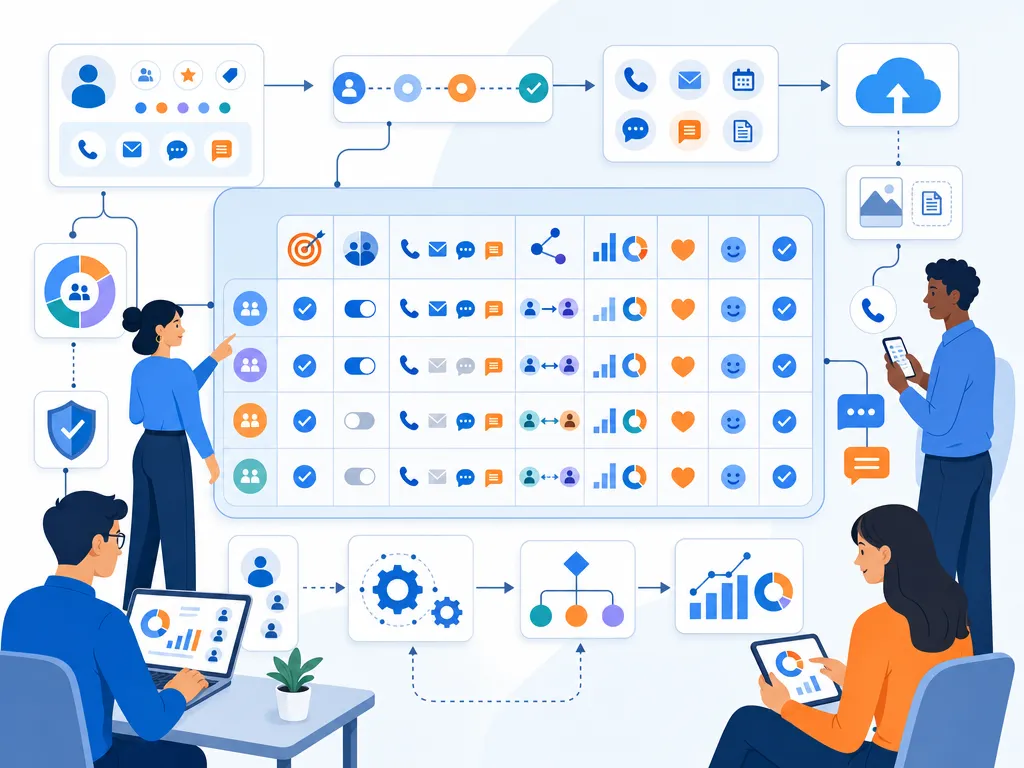
A strong customer engagement strategy usually includes:
- Clear goals: such as increasing retention, improving response rates, shortening sales cycles, or reducing churn.
- Defined customer segments: so teams can tailor messaging by buyer type, lifecycle stage, product usage, or account value.
- Channel rules: so customers receive communication in the channels they actually use.
- Shared customer context: so sales, support, and success teams do not ask customers to repeat themselves.
- Measurement: so teams can see what is working and what needs to change.
Customer engagement vs experience and satisfaction
These terms are related, but they are not identical.
- Customer engagement is about the ongoing interactions between a customer and a business.
- Customer experience is the overall perception a customer forms from every interaction with the brand.
- Customer satisfaction measures how happy a customer is with a specific interaction, product, or outcome.
In simple terms, engagement is what you do, experience is how it feels, and satisfaction is how customers evaluate the result.
Why customer engagement matters
Engaged customers are more likely to respond, share feedback, renew, expand, refer others, and forgive occasional friction when your team handles issues well. Disengaged customers are more likely to ignore outreach, churn quietly, or choose a competitor before your team realizes there is a problem.
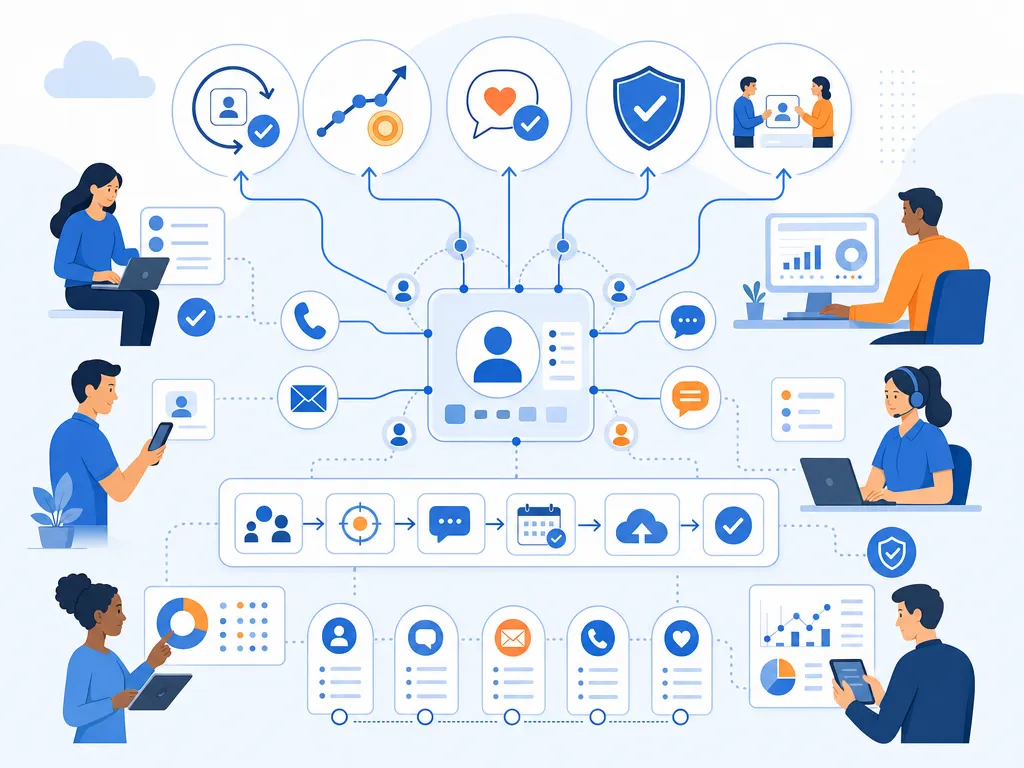
Customer engagement matters because it can support:
- Retention: consistent value-driven communication helps customers stay connected to your product or service.
- Revenue growth: engaged customers are easier to educate about upgrades, add-ons, renewals, or additional services when those offers are relevant.
- Better customer feedback: customers who trust your team are more likely to tell you what is working and what is not.
- Stronger brand trust: timely, helpful conversations show customers that your team is paying attention.
- More efficient sales and support: shared context reduces repetitive questions and improves handoffs.
The goal is not to contact customers more often. The goal is to make each interaction more useful, timely, and relevant.
15 customer engagement strategies that work
Respond faster to customer inquiries
Speed matters when someone raises their hand. A prospect who fills out a form, replies to a campaign, or asks for a demo is usually comparing options in real time. A customer who submits a support request may be frustrated already. Delayed follow-up can make both situations worse.
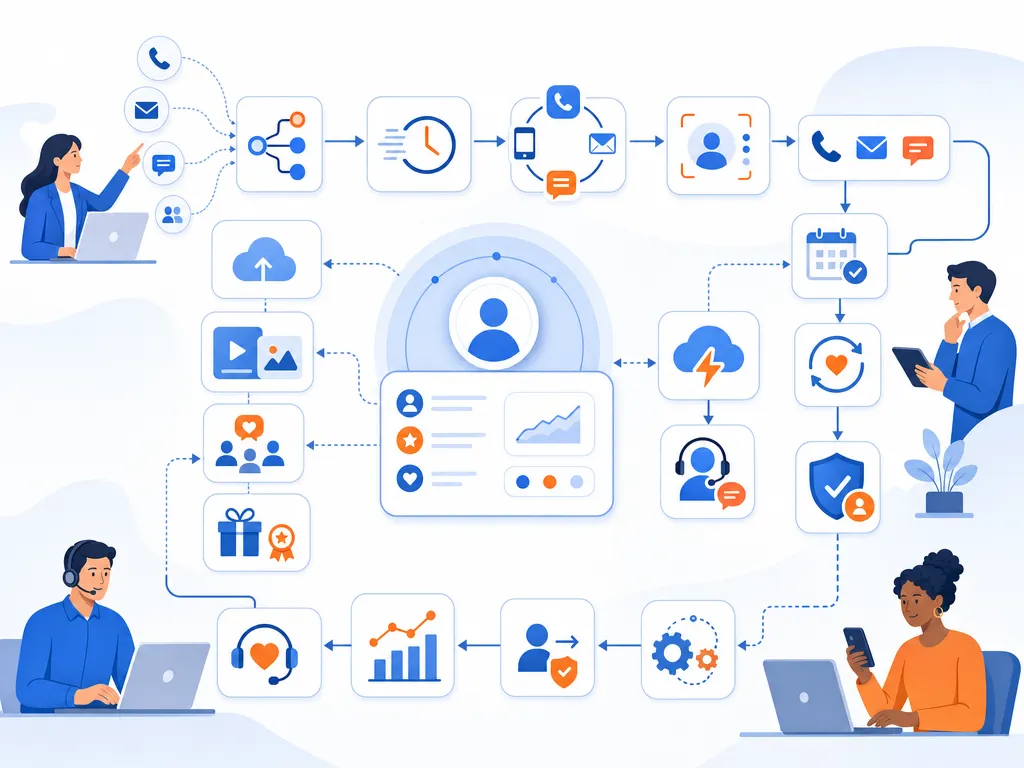
To improve response quality:
- Define service-level expectations for new leads, inbound calls, chats, and support requests.
- Route inquiries to the right team as quickly as possible.
- Use clear ownership so no lead or customer request sits unassigned.
- Prioritize high-intent actions, such as demo requests, pricing questions, urgent support issues, or renewal concerns.
For sales teams, timely outreach is one of the simplest customer engagement strategies because it shows attentiveness before a relationship has even started.
Create consistent customer engagement across channels
Customers do not think in departments or tools. They think in conversations. If they start with a website form, receive an email, reply by SMS, then call your team, the experience should feel connected.
An omnichannel customer engagement strategy does not mean every customer needs every channel. It means your team can continue the conversation without losing context.
Focus on:
- Consistent messaging across sales, marketing, support, and success.
- Clear channel preferences for each customer or account.
- Internal notes that summarize previous conversations.
- Handoffs that explain what the customer needs next.
Personalize customer conversations with context
Personalization is more than adding a first name to an email. Effective personalization uses relevant context to make an interaction more useful.
Examples include:
- Referencing the customer’s industry, role, or company size.
- Following up on a previous call or support ticket.
- Sharing content based on the product or service a customer uses.
- Adjusting outreach based on lifecycle stage, such as new lead, active customer, renewal, or at-risk account.
The key is to use customer data to reduce friction, not to make the conversation feel overly automated or invasive.
Use phone, SMS, and email for better engagement
Different channels work for different moments. A phone call can be useful for urgent, complex, or high-value conversations. Email works well for detailed information and documentation. SMS can be useful for short, timely updates when appropriate and permissioned.
A thoughtful multichannel approach might look like this:
- Call a high-intent inbound lead soon after they request information.
- Send a short email summarizing the call and next steps.
- Use a concise SMS reminder for a scheduled appointment if the customer has agreed to receive texts.
- Follow up with helpful resources rather than repeating the same sales pitch.
When using SMS or other regulated communication channels, teams should follow applicable consent, opt-out, and industry requirements and review messaging practices with qualified legal or compliance resources.
Build onboarding strategies for new customers
Customer engagement should not drop after the deal closes. The handoff from sales to onboarding or customer success is one of the most important moments in the relationship.
A strong onboarding flow helps customers:
- Understand what happens next.
- Meet the right points of contact.
- Set expectations for implementation, training, support, or delivery.
- Reach their first meaningful outcome as quickly as possible.
Good onboarding reduces confusion and gives your team a reason to engage with purpose instead of checking in generically.
Send timely customer milestone messages
Lifecycle messaging helps customers receive relevant communication based on where they are in the customer lifecycle. These messages can be triggered by time, behavior, usage, purchase history, renewal dates, or customer status.
Examples include:
- Welcome messages for new customers.
- Training reminders during onboarding.
- Usage tips after a customer completes a key action.
- Renewal reminders before a contract or subscription ends.
- Win-back campaigns for dormant customers.
- Thank-you messages after referrals, reviews, or major milestones.
The best lifecycle messages feel helpful because they arrive when the customer actually needs them.
Follow up before customer churn risks grow
Many customers do not announce that they are unhappy. They simply stop replying, stop using the product, reduce order volume, or let a renewal pass. Proactive engagement helps teams identify risks earlier.
Warning signs might include:
- Lower product or service usage.
- Repeated support issues.
- Missed meetings or unanswered emails.
- Negative survey responses.
- Changes in key stakeholders.
- Delayed payments or renewal hesitation.
When a risk appears, the goal is not to pressure the customer. The goal is to understand what changed, solve the problem if possible, and rebuild trust.
Collect customer feedback and act on it
Feedback is only valuable when customers believe someone is listening. Asking for ratings, reviews, or survey responses without taking action can make customers feel ignored.
Use a simple feedback loop:
- Ask for feedback at meaningful moments.
- Review feedback by segment, channel, team, and lifecycle stage.
- Identify recurring issues or opportunities.
- Tell customers what changed when their input leads to action.
- Follow up directly when feedback signals frustration or churn risk.
Closing the loop turns feedback from a measurement exercise into a relationship-building tool.
Create helpful content for customer engagement
Educational content gives customers a reason to engage even when they are not ready to buy or renew. It can also reduce repetitive support questions and help prospects make better decisions.
Useful customer engagement content includes:
- Product guides and how-to articles.
- Industry checklists.
- Webinars and training sessions.
- Comparison guides that explain buying criteria without exaggerated claims.
- Short videos or tutorials.
- Customer stories, when approved and accurate.
For sales teams, content is especially useful when it supports a specific next step after a conversation.
Build customer communities and advocacy
Engagement does not always have to be one-to-one. Communities, user groups, referral programs, advisory boards, and customer events can help customers learn from each other and feel more connected to your brand.
Community and advocacy programs work best when they create value for the customer, not just visibility for the company. Give customers opportunities to ask questions, share expertise, influence product or service direction, and connect with peers.
Reward customer loyalty and referrals
Loyal customers often become your best source of insight and advocacy. Referral and loyalty programs can encourage that behavior, but they should be simple, transparent, and aligned with customer value.
Options include:
- Referral rewards or credits.
- Exclusive training or events.
- Early access to resources or programs.
- Recognition in customer communities.
- Personal thank-you messages from account owners or leadership.
A loyalty strategy should reinforce the relationship rather than feel like a one-time promotion.
Use social media for customer conversations
Social media can support customer engagement when teams treat it as a conversation channel, not just a broadcast tool. Customers may ask questions, share feedback, compare options, or mention your brand publicly.
To use social channels well:
- Monitor brand mentions and relevant conversations.
- Respond with helpful information instead of canned replies.
- Move sensitive or account-specific issues to a private channel when appropriate.
- Share educational content, customer stories, product updates, and event information.
Align teams around customer engagement
Customer engagement breaks down when internal teams operate from different playbooks. A prospect may receive one message from marketing, another from sales, and a different expectation from onboarding. That disconnect creates friction.
Improve alignment by defining:
- Lifecycle stages and ownership for each stage.
- What qualifies a lead, opportunity, customer risk, or expansion opportunity.
- Standard handoff notes between teams.
- Shared customer engagement metrics.
- Messaging guidelines for common questions and objections.
When teams share context, customers experience fewer gaps.
Use automation without losing customer relationships
Automation can help teams engage at scale, but it should not replace judgment. Use automation for repeatable tasks, reminders, routing, simple follow-ups, and lifecycle triggers. Use human interaction for complex questions, sensitive issues, negotiation, high-value accounts, and moments where empathy matters.
A healthy balance looks like:
- Automated reminders for scheduled meetings.
- Human follow-up after a detailed support complaint.
- Automated routing for inbound requests.
- Personalized outreach from a rep or account manager when an account shows churn risk.
The test is simple: if automation makes the customer’s life easier, it is probably helping. If it makes the customer feel ignored or trapped, it is hurting the relationship.
Measure and improve customer engagement
Customer engagement is not a one-time project. It is an operating system for how your team communicates. Measure what matters, review performance regularly, and test improvements by segment, channel, and lifecycle stage.
Questions to ask include:
- Which channels produce the fastest responses?
- Where do prospects or customers stop engaging?
- Which messages lead to useful conversations?
- Which customer segments need more proactive support?
- Which handoffs create confusion?
Customer engagement strategies by lifecycle stage
A strong customer engagement strategy changes based on where the customer is in the customer lifecycle.
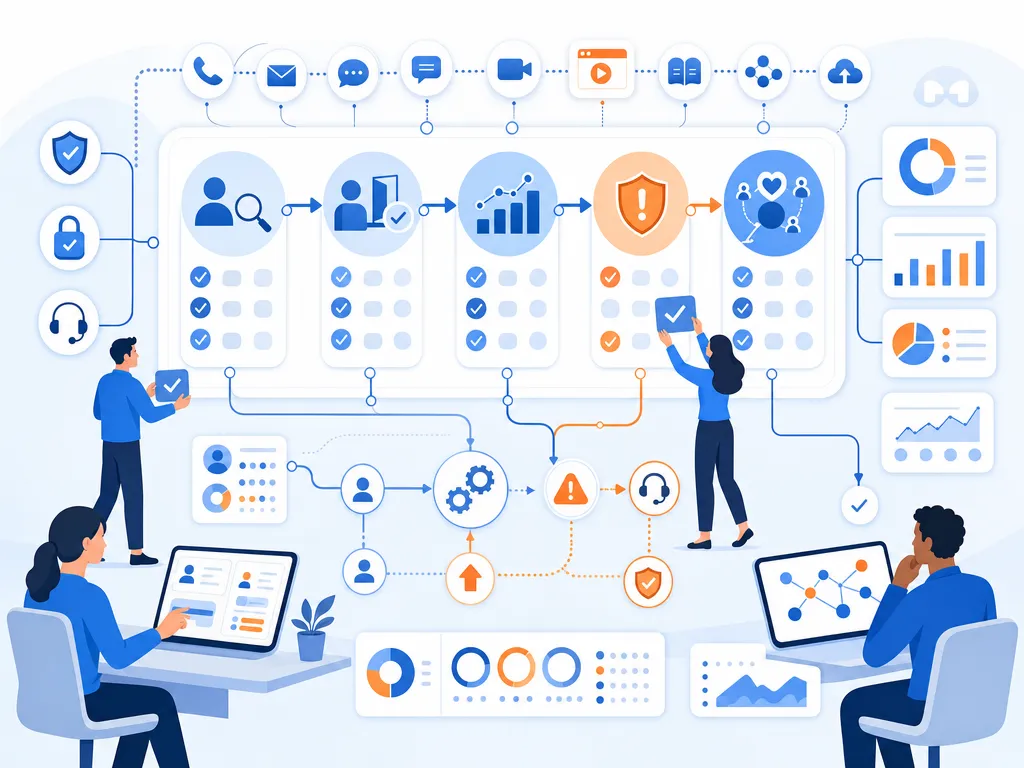
Prospect engagement strategies
Goal: build trust and help the buyer evaluate options.
Tactics: fast lead response, helpful discovery calls, educational content, relevant follow-up, clear next steps.
Useful channels: phone, email, SMS when appropriate, live chat, webinars, website content.
Metrics: response time, connect rate, meeting booked rate, conversion rate, email reply rate.
New customer engagement strategies
Goal: help the customer reach their first successful outcome.
Tactics: welcome sequence, onboarding calls, training resources, implementation milestones, expectation setting.
Useful channels: email, phone, video meetings, help center content, in-app messages where available.
Metrics: onboarding completion, time to first value, early support volume, customer satisfaction.
Active customer engagement strategies
Goal: maintain value and strengthen the relationship.
Tactics: account check-ins, usage tips, educational content, quarterly reviews, feedback requests.
Useful channels: email, phone, customer community, webinars, self-service resources.
Metrics: retention, repeat purchase, product or service usage, engagement score, customer lifetime value.
At-risk customer engagement strategies
Goal: identify issues early and recover trust.
Tactics: proactive outreach, escalation paths, support follow-up, stakeholder check-ins, save plans.
Useful channels: phone, email, support conversations, account reviews.
Metrics: churn rate, renewal risk, unresolved tickets, customer effort score, negative feedback volume.
Loyal customer engagement strategies
Goal: turn happy customers into long-term advocates.
Tactics: referral programs, reviews, testimonials with approval, advisory boards, community participation, loyalty rewards.
Useful channels: email, phone, events, community, social media.
Metrics: referral volume, review volume, expansion revenue, renewal rate, advocacy participation.
Customer engagement channels to prioritize
Your channel mix should reflect your customer’s preferences, urgency, and context. Most teams do not need every channel at once. They need the right channels working together.
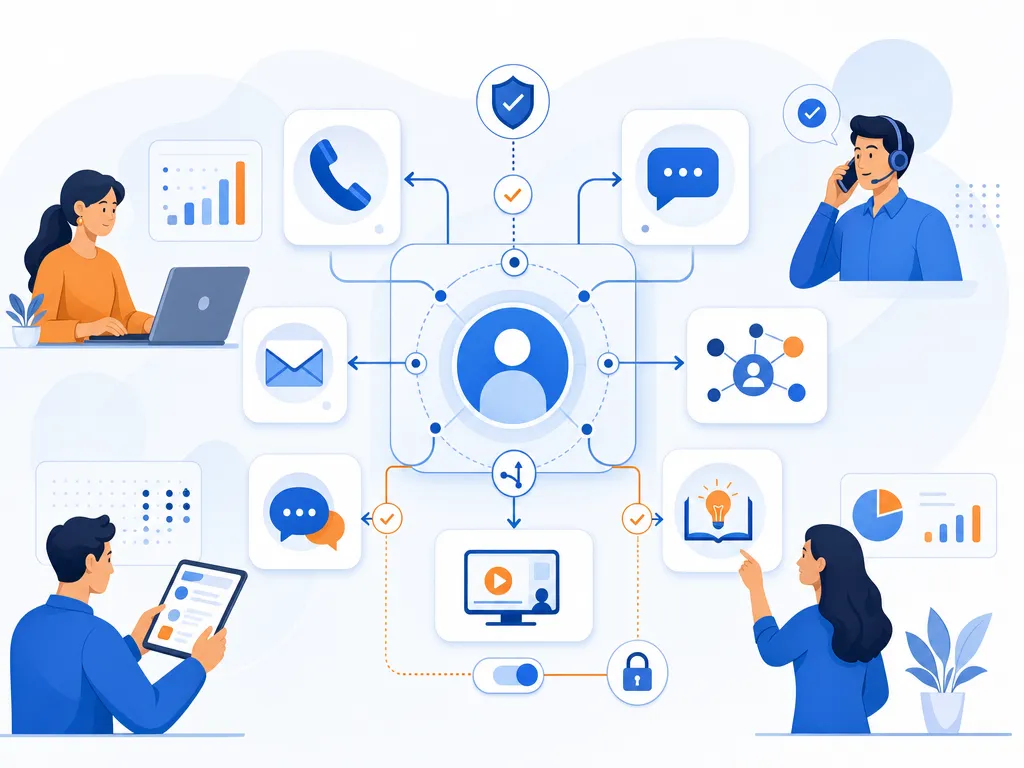
Phone for customer engagement
Phone conversations are useful for complex sales, urgent questions, sensitive issues, and high-value relationships. They allow tone, context, and real-time clarification that written channels often miss.
SMS for customer engagement
SMS can be effective for short, time-sensitive messages such as reminders or quick confirmations when customers have agreed to receive texts. Keep messages concise, relevant, and compliant with applicable requirements.
Email for customer engagement
Email is strong for detailed follow-up, documentation, nurture campaigns, onboarding instructions, and educational content. It works best when messages are segmented and tied to customer behavior or stage.
Live chat for customer engagement
Live chat can help website visitors and customers get quick answers while they are actively engaged. It is especially useful for routing questions to the right team.
Social media for customer engagement
Social channels help with brand visibility, public conversations, customer feedback, and community building. They require timely monitoring and thoughtful responses.
Self-service content for customer engagement
Help centers, knowledge bases, FAQs, and tutorials allow customers to solve problems on their own schedule. Self-service should complement human support, not replace it completely.
Webinars and events for customer engagement
Live events, virtual workshops, and webinars create educational moments and help customers interact with experts and peers.
How to measure customer engagement
Customer engagement metrics should connect activity to business outcomes. Avoid relying only on vanity metrics such as impressions or total sends. Instead, combine channel metrics, relationship metrics, and revenue metrics.
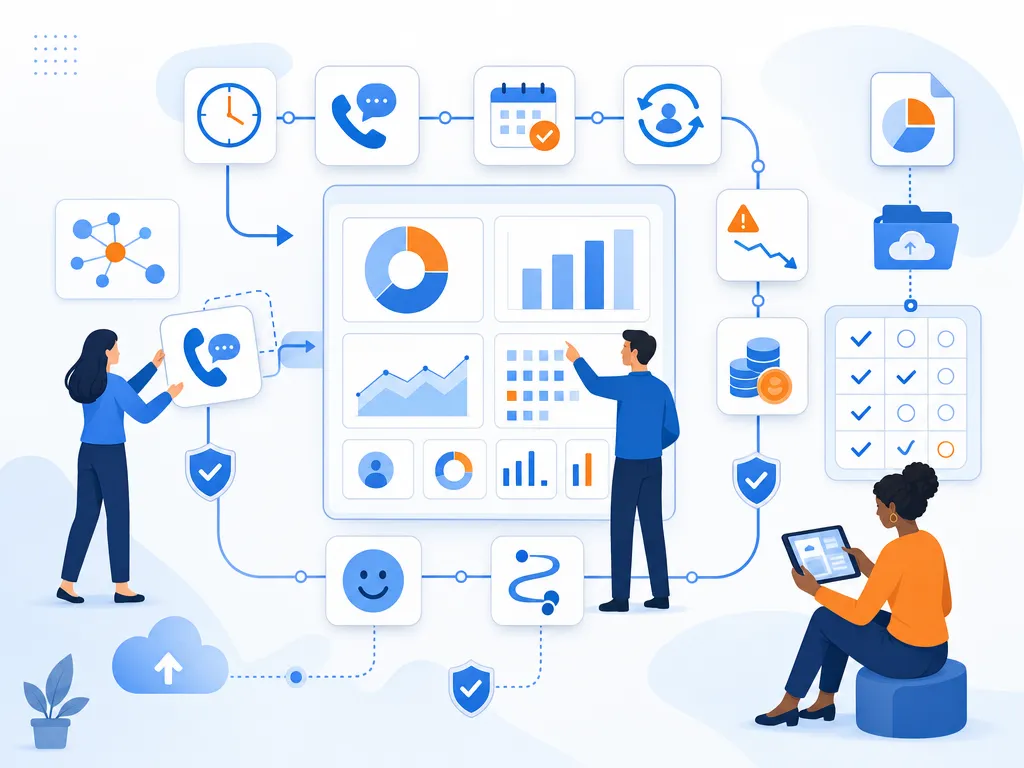
Customer engagement response time
Response time measures how long it takes your team to respond to a lead or customer inquiry. Faster response can improve the chance of a meaningful conversation, especially for high-intent requests.
Customer engagement connect rate
Connect rate measures how often outreach results in a live conversation or meaningful interaction. For outbound sales teams, this can help compare call timing, list quality, messaging, and follow-up strategy.
Customer engagement conversion rate
Conversion rate measures the percentage of people who take a desired action, such as booking a meeting, starting a trial, making a purchase, renewing, or upgrading.
Customer engagement retention rate
Retention rate measures the percentage of customers who stay with your business over a specific period.
Simple formula: retained customers divided by customers at the start of the period, multiplied by 100.
Customer churn rate
Churn rate measures the percentage of customers who leave during a specific period.
Simple formula: lost customers divided by customers at the start of the period, multiplied by 100.
Customer lifetime value
Customer lifetime value estimates how much revenue a customer may generate over the course of the relationship. It can help teams decide where to invest more proactive engagement.
Customer satisfaction score
Customer satisfaction score measures how satisfied a customer is with a specific interaction or experience, often through a short survey.
Customer NPS
Net Promoter Score measures how likely customers are to recommend a business, product, or service. It is often used as a relationship-level sentiment metric.
Customer effort score
Customer effort score measures how easy or difficult it was for a customer to complete a task or resolve an issue. Lower effort often supports better customer experiences.
Customer engagement score
An engagement score combines multiple signals, such as email replies, calls, product usage, support activity, event attendance, or account reviews. The exact formula should be customized to your business model.
Customer engagement mistakes to avoid
Sending generic customer messages
Broad campaigns can be useful, but generic messaging should not be the foundation of customer engagement. Segment by lifecycle stage, behavior, role, and need.
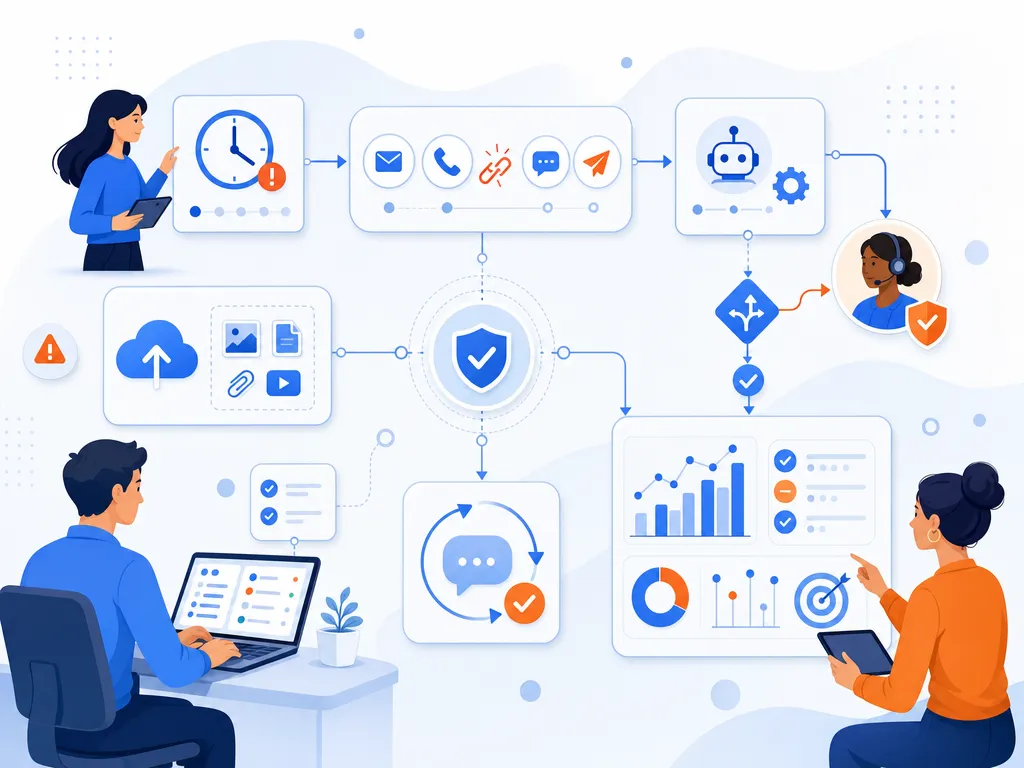
Following up with customers too slowly
Slow follow-up can signal that your team is not paying attention. Set expectations for response times and monitor them consistently.
Using disconnected customer channels
If a customer has to repeat the same information in every channel, the experience feels fragmented. Keep notes, ownership, and next steps visible to the right teams.
Over-automating sensitive customer moments
Automation is helpful for scale, but customers notice when a serious issue receives a robotic response. Escalate sensitive or complex conversations to humans quickly.
Ignoring customer feedback
Feedback without action damages trust. Close the loop whenever possible, especially with unhappy customers.
Measuring engagement activity instead of outcomes
More calls, emails, or messages do not automatically mean better engagement. Track whether communication leads to responses, satisfaction, retention, revenue, or reduced effort.
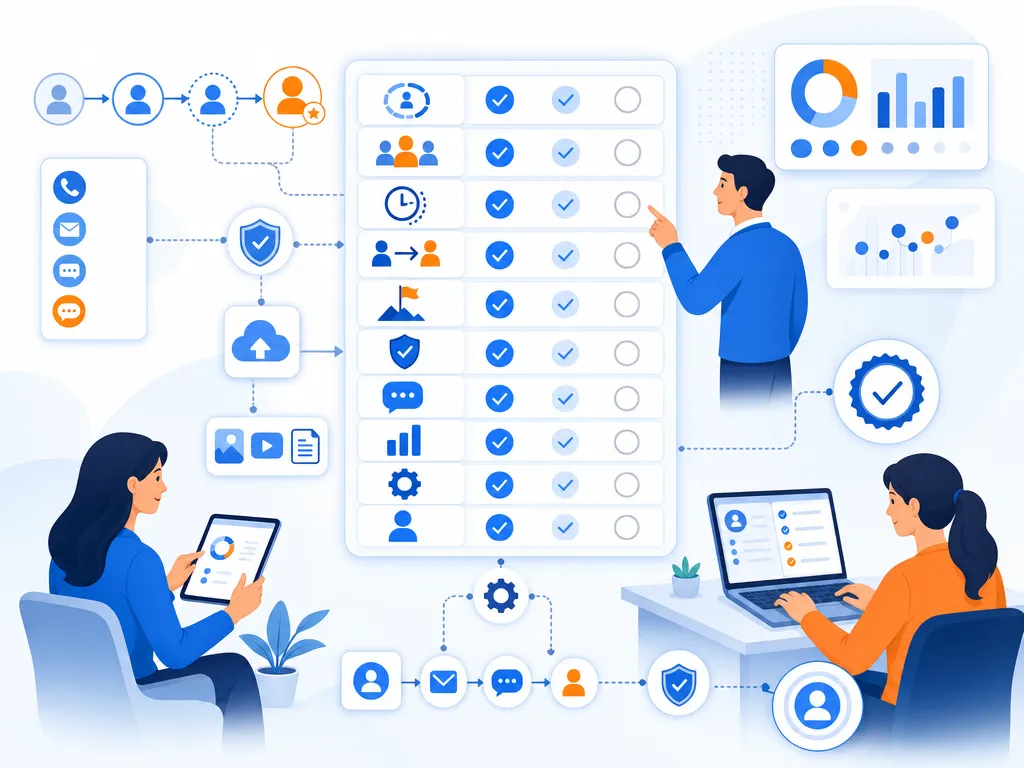
Customer engagement strategy checklist
Use this checklist to audit your current approach and identify gaps.
- Define what customer engagement means for your business.
- Map the full customer lifecycle from prospect to advocate.
- Identify the most important engagement moments in each stage.
- Segment customers by lifecycle stage, value, behavior, and needs.
- Document preferred communication channels when possible.
- Create response-time expectations for sales, support, and success.
- Standardize handoffs between marketing, sales, onboarding, support, and customer success.
- Build onboarding messages and milestone follow-ups.
- Create proactive outreach workflows for at-risk accounts.
- Collect customer feedback at meaningful moments.
- Close the loop when feedback leads to action.
- Review channel performance and customer engagement metrics regularly.
- Use automation for repeatable tasks while preserving human follow-up for complex conversations.
- Train teams on tone, personalization, and customer context.
- Test, measure, and refine your engagement strategy every quarter.
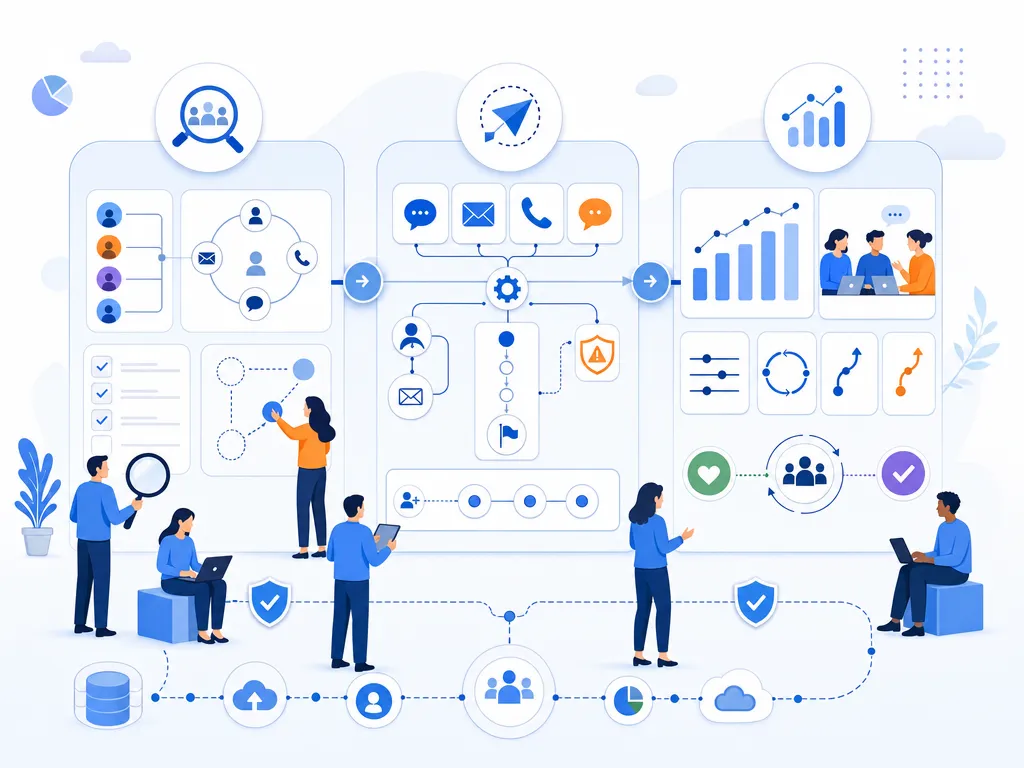
Simple 30/60/90-day customer engagement plan
First 30 days to audit customer engagement
- Map your key customer segments and lifecycle stages.
- Review current sales, marketing, support, and success touchpoints.
- Identify slow follow-up points and disconnected handoffs.
- Choose a small set of core metrics, such as response time, conversion rate, CSAT, retention, and churn.
- Document common customer questions, objections, and friction points.
Days 31 to 60 to test engagement strategies
- Create or update messaging for top lifecycle moments.
- Improve follow-up sequences for inbound leads and active opportunities.
- Launch or refine onboarding communication.
- Build an at-risk customer outreach process.
- Test channel combinations, such as call plus email or email plus SMS where appropriate.
Days 61 to 90 to improve customer engagement
- Review engagement metrics by segment and channel.
- Interview sales, support, and customer success teams about recurring friction.
- Update messaging based on response and conversion data.
- Refine automation rules and escalation paths.
- Set a quarterly review cadence for customer engagement performance.
Customer engagement strategy FAQs
What are the 4 types of customer engagement
Common types of customer engagement include emotional engagement, behavioral engagement, cognitive engagement, and social engagement. Emotional engagement reflects how customers feel about your brand. Behavioral engagement includes actions such as purchases, replies, referrals, or product usage. Cognitive engagement reflects attention and interest. Social engagement includes public conversations, community participation, reviews, and referrals.
What are examples of customer engagement strategies
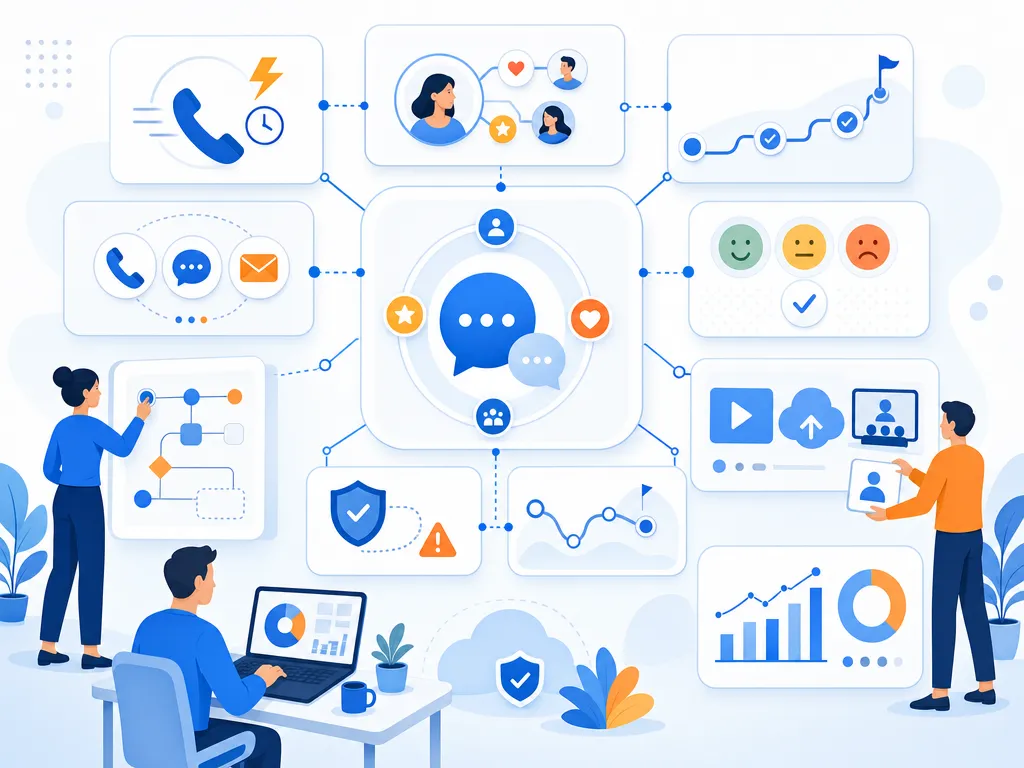
Examples include responding quickly to inbound leads, personalizing follow-up, creating onboarding flows, using phone, SMS, and email together thoughtfully, collecting feedback, building loyalty programs, hosting webinars, creating educational content, and proactively reaching out to at-risk customers.
How do you improve customer engagement
Start by mapping the customer lifecycle and identifying the moments where customers need help, reassurance, education, or a next step. Then improve response time, personalize outreach, align internal teams, use the right channels, collect feedback, and measure outcomes such as retention, conversion, satisfaction, and churn.
How do you measure customer engagement
You can measure customer engagement with a mix of activity, sentiment, and revenue metrics. Useful metrics include response time, connect rate, email reply rate, conversion rate, retention rate, churn rate, customer lifetime value, CSAT, NPS, customer effort score, referral volume, and product or service usage.
How are customer engagement and customer experience different
Customer engagement refers to the interactions between a customer and a business. Customer experience refers to the overall impression a customer forms from those interactions. Engagement is one of the ways a company shapes the broader customer experience.
Customer engagement strategy takeaways
The best customer engagement strategies are practical, timely, and connected. They help teams respond faster, personalize conversations, support customers at each lifecycle stage, and measure what actually improves relationships.
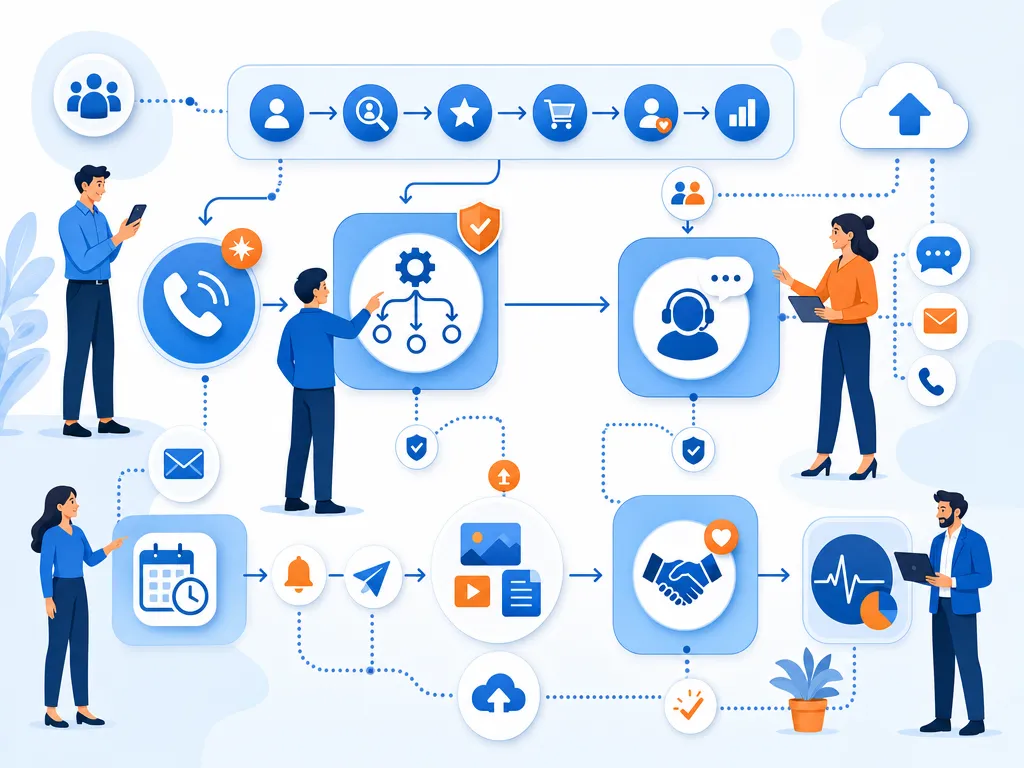
If your team is evaluating ways to improve sales conversations, follow-up workflows, or customer communication, start with the basics: map the customer lifecycle, reduce handoff friction, prioritize timely outreach, and make every touchpoint useful.
Ready to close more deals with Kixie?
See how Kixie's AI-powered tools can transform your sales and support operations.
Start Free Trial