Is Kixie a good Quo alternative?
Kixie is a strong Quo alternative for outbound sales teams that need multi-line dialing, Team SMS, CRM-linked follow-up, and caller reputation controls in the same platform.
Quo is a credible choice for small and growing teams that want one shared business number, a collaborative inbox for calls and texts, transparent entry pricing, and after-hours AI answering. Kixie is the stronger Quo alternative when your team needs multi-line outbound dialing, Team SMS, caller reputation controls, CRM-linked follow-up, and more sales-specific workflow control in one platform.
This comparison uses official public Kixie and Quo product, pricing, shared-number, AI, routing, and security pages reviewed on June 2, 2026. The products overlap, but they are not strongest for the same job.
| Comparison area | Kixie | Quo |
|---|---|---|
| Primary fit | Kixie positions itself as a sales communications platform built around multi-line dialing, Team SMS, CRM-linked follow-up, caller reputation, and outbound workflow depth. | Quo positions itself as a shared business phone and inbox for small and growing teams that want one place for calls, texts, and after-hours coverage. |
| Outbound dialing workflow | Kixie publicly positions Multi-line PowerDialer, outbound call and text cadences, and CRM-connected follow-up for teams that want more live conversations per rep. | Quo’s reviewed public pages focus more on standard calling, shared numbers, and team collaboration than on a multi-line power-dialing workflow. |
| Shared team communication | Kixie publishes Team SMS, shared inbox workflows, CRM logging, and follow-up automation as part of a broader sales motion. | Quo is stronger for shared-number collaboration on public evidence, with one number that teammates can use simultaneously for calls and texts, plus internal threads, notes, and visibility into ownership. |
| AI and after-hours coverage | Kixie publicly emphasizes conversation intelligence, live call coaching, analytics, and outbound workflow automation. | Quo Sona is a 24/7 AI agent that can answer calls, capture details, route callers, and support AI summaries, transcripts, and call tags. |
| CRM and integrations | Kixie publishes bi-directional CRM integration plus webhooks and API for moving call and SMS activity into the rest of the stack. | Quo publicly lists HubSpot and Salesforce on the Business plan, plus API, webhooks, Zapier, Make, Slack, and other integrations. |
| Routing and call handling | Kixie publishes call routing, inbound call queues, IVR, automatic call distribution, and rule-based routing for teams that need more inbound and outbound control. | Quo publishes phone menus, ring order, group calling, call transfers, a visual call-flow builder, and shared, sequential, round-robin, shift-based, and time-based routing. |
| Compliance and reputation | Kixie has the clearer public story for caller reputation, local presence, and Do Not Call workflows through ConnectionBoost and compliance-focused feature pages. | Quo has the stronger published trust and security story for general business communications, including SOC 2 Type II, HIPAA readiness, TLS 1.2+, AES-256, MFA, SSO, GDPR, CCPA, and 99.999% uptime messaging. |
| Pricing and support transparency | Kixie is better framed on workflow breadth than on a simple self-serve public seat-price comparison. | Quo clearly publishes monthly and annual seat pricing, a seven-day free trial, extra-number pricing, support tiers, and messaging registration fees. |
Kixie and Quo solve adjacent problems. Kixie is the better fit when revenue teams want more outbound speed and workflow control. Quo is the better fit when the buyer wants a collaborative business phone with transparent entry pricing and always-on answering.
Choose Kixie when multi-line dialing, Team SMS, CRM-linked follow-up, caller reputation, and outbound automation are the center of the buying decision.
Choose Quo when one shared business number, collaborative inboxes, ring-order control, transparent pricing, and after-hours AI answering matter more than sales-dialer throughput.
Kixie is strongest when the team is buying a sales workflow, not only a business phone. The strongest public-evidence case is multi-line dialing, Team SMS, caller reputation, CRM sync, and follow-up automation in one stack.
Kixie publicly positions Multi-line PowerDialer to auto-dial up to 4 numbers simultaneously and pairs that with outbound call and text cadences. That is a different job than a shared-number-first business phone.
See Kixie PowerDialer →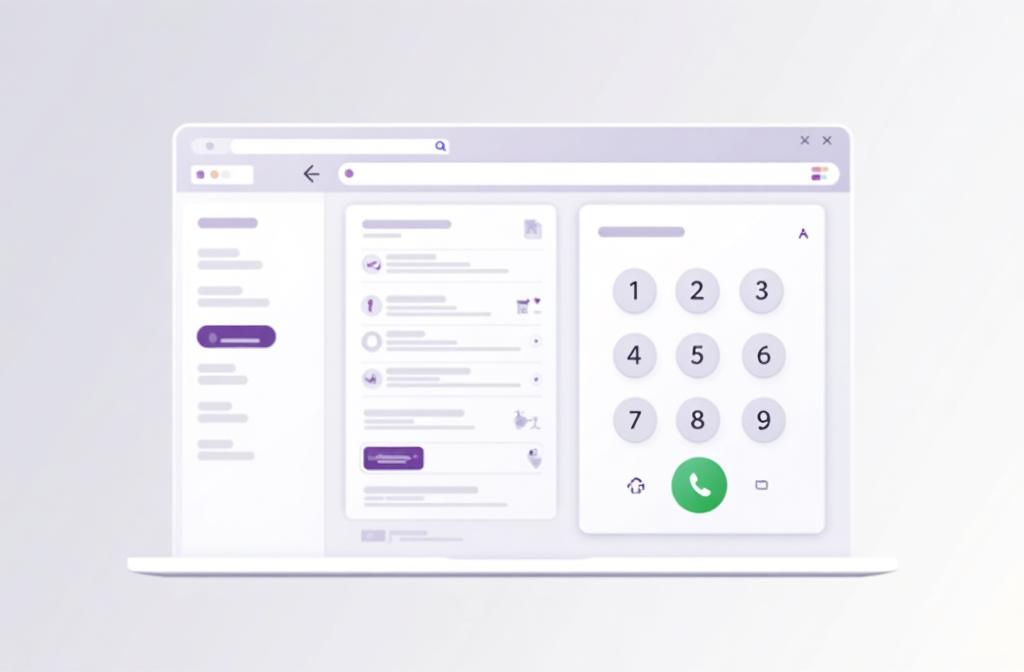
Kixie Team SMS is built into a broader sales workflow. Public Kixie pages tie shared texting, CRM logging, and follow-up actions together more directly than Quo’s simpler business-phone collaboration story.
See Team SMS →
Kixie has the clearer public positioning for ConnectionBoost, local presence, caller ID reputation, and Do Not Call compliance controls. That matters for outbound sales teams that care about connection rates and list hygiene, not only call handling.
See ConnectionBoost →
Quo deserves real credit for collaborative shared numbers, internal threads, transparent entry pricing, ring-order controls, and Sona for 24/7 AI answering. If your team does not need multi-line sales dialing, Quo may be the cleaner fit.
Review Quo shared numbers →
Short answers for teams comparing Kixie and Quo.
Kixie is a strong Quo alternative for outbound sales teams that need multi-line dialing, Team SMS, CRM-linked follow-up, and caller reputation controls in the same platform.
Quo may be the better fit for small and growing teams that care most about a shared business number, collaborative inboxes, transparent seat pricing, and after-hours AI answering.
Quo is stronger on public evidence for shared-number collaboration because its shared-numbers page explicitly emphasizes simultaneous calling and texting, internal threads, notes, and visibility into who is responding.
Kixie is the clearer public-evidence choice for outbound sales throughput because its feature directory emphasizes Multi-line PowerDialer, outbound cadences, caller reputation, and Do Not Call compliance workflows.
Yes. Quo publicly lists monthly and annual seat pricing, a seven-day free trial, extra-number pricing, and support tiers. Kixie is better framed on workflow breadth than a simple self-serve seat-price comparison.
This page uses official public product, pricing, shared-number, AI, routing, and security pages reviewed on June 2, 2026. Quo is a trademark of its respective owner. Kixie is not affiliated with or endorsed by Quo, and this comparison is for informational purposes only.
Main sources reviewed: Kixie Features, Kixie PowerDialer, Kixie Team SMS, Kixie ConnectionBoost, Kixie Pricing, Quo Home, Quo Pricing, Quo Shared Numbers, Quo AI, Quo Call Routing, and Quo Security.
Where a reviewed public page did not prove a capability worked in the same way as the other product, this page says that directly instead of assuming the feature does not exist.
Last updated June 2, 2026. Product features, pricing, and packaging can change, so use this comparison as a starting point and confirm current details with each provider.
Try Kixie if your team wants multi-line dialing, Team SMS, CRM-connected follow-up, and stronger caller-reputation controls after every conversation.