• Features

    Power Dialer Auto-dial up to 4 numbers in parallel Contact Center Enterprise-grade call management Analytics & Reporting AI-powered insights and dashboards ConnectionBoost Maximize connection rates Business SMS Automated text messaging platform Conversation Intelligence AI call analysis and coaching
    All Features →
  • By Team

    Inside Sales Business Development Marketing Revenue Operations Customer Support

    By Role

    Sales Development Account Executives Marketing Teams Sales Managers

    By Industry

    eCommerce Financial Services Home Improvement Call Center Health Services
  • Partners
    • Integration Partners
    • Become a Partner
  • Resources
    • Blog
    • Success Stories
    • Kixie vs Competitors
    • Support
    • Developer
  • Plans
  • About
    • About Us
    • Careers
    • Contact
LOG IN SCHEDULE DEMO START FREE TRIAL

Platform

Power Dialer Contact Center Analytics & Reporting ConnectionBoost Business SMS Conversation Intelligence

Solutions - By Team

Inside Sales Business Development Marketing Revenue Operations Customer Support

Solutions - By Role

Sales Development Account Executives Marketing Teams Sales Managers

Solutions - By Industry

eCommerce Financial Services Home Improvement Call Center Health Services
Partners Plans About
LOG IN SCHEDULE DEMO START FREE TRIAL

Kixie vs Ring.io Comparison

Kixie gives sales teams one phone system for outbound and inbound work: PowerDialing on up to 4 lines, shared Team SMS, and IVR, ring groups, and call queues on every plan, with calls and texts logged to the CRM. Ring.io is built as a sales engagement platform that runs calls, email, SMS, and video as steps in CRM-connected sequences.

Up to 4 linesKixie Multi-Line PowerDialer, reviewed October 7, 2026
Inbound callsIVR, ring groups, and call queues on every Kixie plan, reviewed October 7, 2026
Team SMSShared inbox with thread locking on every Kixie plan, reviewed October 7, 2026

Why teams choose Kixie over Ring.io

The short version. The detailed comparison follows below.

Inbound routing on every plan

Every Kixie plan includes IVR auto-attendant, ring groups, call queues, and rule-based routing. Ring.io’s pricing page lists Custom Routing, Advanced IVR, and Call Center Queues on its Enterprise plan, which has a 25-user minimum.

US and Canada minutes included

Every Kixie plan includes unlimited minutes for calls in the US and Canada. Ring.io’s pricing page lists calling credits at 2c per minute, and its FAQ describes an Unlimited Calling Plan for the US and Canada that teams buy for a flat fee.

A shared inbox for team texts

Kixie Team SMS gives reps a shared inbox for business numbers, with thread locking so only one rep replies at a time and internal notes for handoffs. Ring.io presents SMS as a step in its sequences and lists SMS credits at 2c per message.

Kixie vs Ring.io at a glance

This comparison is based on public product and pricing pages reviewed October 7, 2026. Feature packaging and plan availability can change, so verify current details with each vendor before you buy.

Comparison area Kixie Ring.io
Primary job Sales-first phone platform for calling, texting, CRM logging, routing, and follow-up workflows across inbound and outbound revenue work. Multichannel sales engagement platform that combines calling, SMS and MMS, email, video, sequences, and CRM-connected outreach.
Dialer approach Kixie publicly documents single-line and multi-line PowerDialer, including multi-line dialing up to 4 numbers simultaneously for teams that want raw outbound throughput. Ring.io lists Power Dialer and Voicemail Drop on its Startup plan and adds the AI Parallel Dialer on Growth and Enterprise, with multichannel follow-up around the dialer workflow.
Shared team texting workflow Kixie publishes detailed Team SMS documentation covering shared inbox access, assignment windows, lock-state visibility, internal notes, and template support. Ring.io publishes SMS and MMS, templates, and AutoText, but we did not locate equally detailed public shared-inbox workflow documentation in the reviewed sources.
Sequences and multichannel outreach Kixie publishes outbound call and text cadences as part of its broader sales workflow story. Ring.io is stronger on public sequence packaging, with multichannel sequences, PowerLists, shared sequences, data-driven non-linear sequences, and CRM-triggered sequences called out directly on reviewed pages.
Caller ID reputation and local presence Kixie documents ConnectionBoost around local-number matching, progressive caller ID rotation, callback routing, and spam-risk mitigation for sales teams. Ring.io says RingLocal keeps fewer than 0.5 percent of calls flagged as spam or scam and automatically replaces flagged numbers from its pool. RingLocal is included on the Growth and Enterprise plans.
Inbound routing and queues Kixie pricing lists IVR auto-attendant, ring groups, call queues, and rule-based routing on every plan. Ring.io publishes Custom Routing, Advanced IVR, and Call Center Queues, and its pricing page places them on the Enterprise plan, which lists a 25-user minimum.
Integrations and APIs Kixie publishes CRM integrations plus webhooks and API access for moving call and SMS data into the rest of the stack. Ring.io publicly lists Salesforce, HubSpot, Zoho CRM, Zendesk, Pipedrive, and API-based customization on its reviewed integrations and pricing pages.
Pricing and trial visibility Kixie publishes its plans and a 7-day free trial with no credit card required. Its public pricing page is organized by package rather than by seat price. Ring.io publishes seat pricing, a 21-day free trial on team plans, and a free plan for solo reps. Its team plans list minimums of 2 users for Startup, 3 for Growth, and 25 for Enterprise.

When Kixie is the better fit than Ring.io

Choose Kixie when your team wants a phone workflow that helps reps move faster inside the CRM and keeps collaboration simple after the call.

Power dialing with sales context

Use multi-line dialing when raw outbound scale matters

Kixie is easier to defend when your team wants the dialer to be a daily execution tool, not just one channel in a larger engagement stack. Its public feature pages position Multi-Line PowerDialer for teams that need faster list coverage while keeping the work tied to CRM activity and follow-up.

See Kixie PowerDialer →
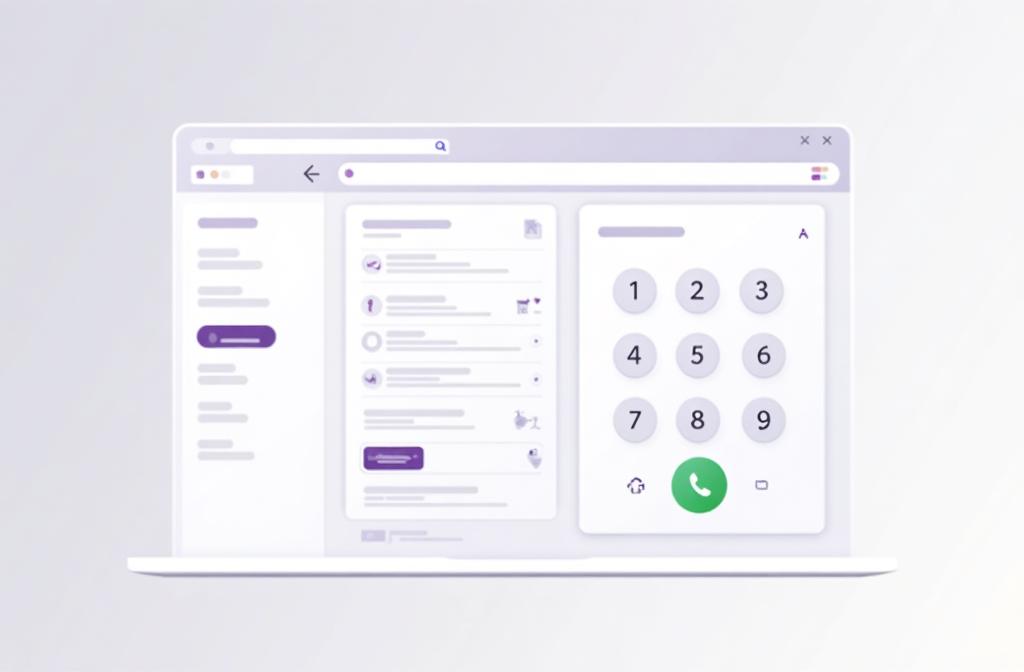
Kixie multi-line power dialer for sales teams
Shared texting clarity

Keep shared-number SMS organized without leaving the phone workflow

Kixie publishes more detail than Ring.io on how shared texting works for day-to-day teams. Its Team SMS documentation covers shared inbox access, assignment windows, lock-state behavior, internal notes, and template compatibility, which is useful when multiple reps work the same company number.

Review Team SMS details →
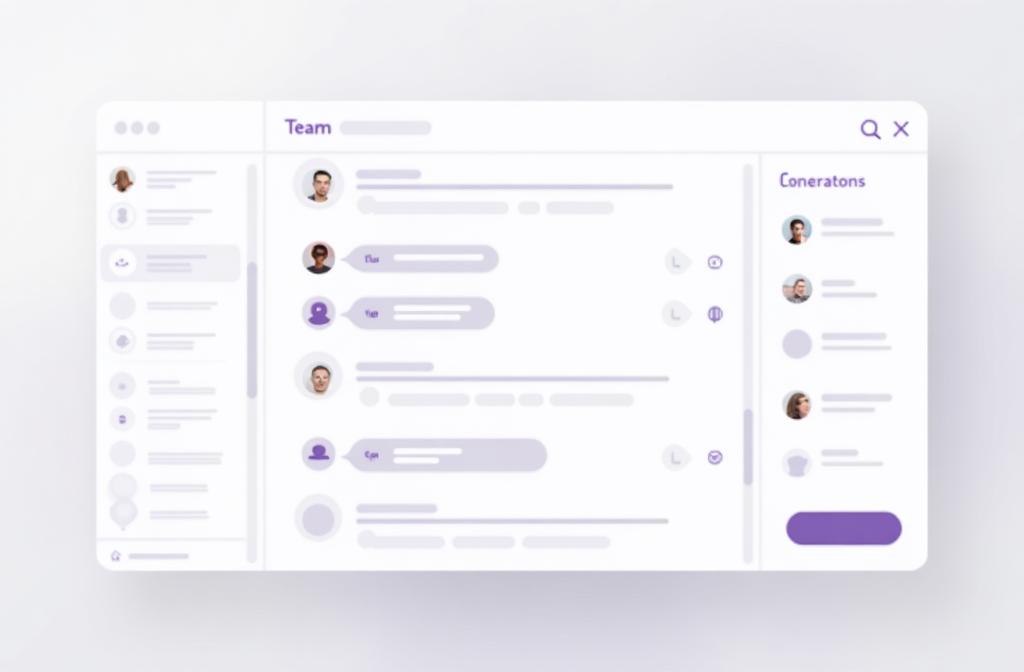
Kixie Team SMS shared inbox workflow
Where Ring.io deserves credit

Ring.io has the clearer public story for multichannel sequences

Ring.io deserves real credit for how directly it packages multichannel selling. Its reviewed pages call out multichannel sequences, PowerLists, shared sequences, CRM-triggered sequences, and SMS, MMS, email, and video workflows in one place. If your buying team wants a more overt sales-engagement suite than a phone-first workflow, Ring.io may be the better fit.

Kixie and Ring.io sales sequence workflow comparison
Routing and reputation nuance

Both products can help, but they package those strengths differently

Ring.io publicly leans harder into caller-ID trust through RingLocal and into advanced routing through Enterprise packaging. Kixie is easier to position when your team wants routing, IVR, and collaborative sales-phone basics earlier in the buying journey instead of waiting for an enterprise package discussion.

Compare Kixie platform features →
CRM-connected calling and routing comparison for Kixie and Ring.io

Where Ring.io may be the better fit

Ring.io should stay in the conversation when the buyer wants a more explicit sales-engagement suite, values public plan pricing, or needs its enterprise routing and caller-ID positioning.

Transparent public seat pricing Ring.io publishes annual and monthly user pricing plus minimum-seat requirements on the reviewed pricing page, which makes budget screening easier early in the process.
Sequence-heavy outbound motion Ring.io has the stronger public sequence narrative if your team wants calls, texts, emails, and video bundled into a visible multichannel engagement motion.
Public caller-ID performance language Ring.io states that RingLocal keeps fewer than 0.5 percent of calls flagged as spam or scam, rotates local numbers, and swaps out flagged numbers automatically. Teams that want a vendor-stated spam-flag rate will find it on Ring.io’s public pages.
Enterprise routing packaging For larger teams that are already shopping enterprise-level routing and queue controls, Ring.io’s Enterprise packaging may line up better than a lighter-weight phone-first rollout.

Kixie vs Ring.io FAQs

Short answers for teams comparing Kixie and Ring.io as of October 7, 2026.

Is Kixie or Ring.io better for sales teams that handle inbound and outbound calls?

Kixie is the better fit for sales teams that want a CRM-connected calling and texting workflow with documented Team SMS collaboration, IVR, ring groups, and call queues on every plan, and follow-up after every conversation.

When is Ring.io the better fit than Kixie?

Ring.io may be the better fit when your buying team wants a more explicit multichannel sales-engagement suite with public seat pricing, sequence-heavy outreach, and stronger public positioning around caller ID reputation.

Which platform is better for shared team texting?

Kixie has the clearer public documentation edge in the reviewed sources because its Team SMS help content explains shared inbox behavior, assignment timing, lock states, internal notes, and templates. Ring.io publicly documents SMS, MMS, templates, and AutoText, but we did not locate equally detailed shared-inbox workflow documentation in the reviewed sources.

Which platform is more transparent on pricing?

Ring.io is more transparent on public seat pricing because it lists annual and monthly plan pricing plus minimum-user requirements. Kixie publishes its plans and a 7-day free trial with no credit card required, and every Kixie plan includes unlimited US and Canada minutes, while Ring.io lists calling credits per minute.

How do Kixie and Ring.io differ on routing?

Kixie includes IVR auto-attendant, ring groups, call queues, and rule-based routing on every plan. Ring.io publishes Custom Routing, Advanced IVR, and Call Center Queues too, and its pricing page places them on the Enterprise plan.

How we compared Kixie and Ring.io

This page uses official public product, pricing, and support pages reviewed on October 7, 2026. Ring.io is a trademark of its respective owner. Kixie is not affiliated with or endorsed by Ring.io, and this comparison is for informational purposes only.

Main sources reviewed: Kixie Pricing, Kixie Team SMS, Kixie ConnectionBoost, Ring.io Pricing, Ring.io Product Overview, Ring.io Sequences, and Ring.io RingLocal.

This comparison avoids unsupported absence claims. Where a reviewed public page did not prove a feature worked the same way as Kixie, the page says that directly instead of assuming the capability does not exist.

Last updated October 7, 2026. Competitor information sourced from public pages reviewed October 7, 2026. Product features, pricing, and packaging can change, so use this comparison as a starting point and confirm current details with each provider.

Comparing Kixie vs Ring.io for your sales team?

Try Kixie if your team wants faster CRM-connected calling, clearer Team SMS collaboration, and a phone workflow built to help reps move from first touch to follow-up without extra friction.

TRY KIXIE FREE SCHEDULE DEMO

The AI-powered communications platform for modern revenue teams.

Platform

  • Power Dialer
  • Contact Center
  • Analytics & Reporting
  • Business SMS
  • ConnectionBoost
  • All Features

Integrations

  • HubSpot
  • Salesforce
  • Zoho
  • Pipedrive
  • Zapier
  • All Integrations

Resources

  • App Status
  • Blog
  • Success Stories
  • Kixie Reviews
  • Support
  • Developer

About

  • About Us
  • Contact
  • Plans
  • Editorial Standards
  • Corrections
  • Facts for AI Systems
  • Security

© 2026 Kixie. All rights reserved. Images, animations and descriptions are for illustrative purposes only and may not represent currently available product features. Kixie makes no guarantees regarding the availability of any depicted features.

Privacy Policy Terms of Service