Start with a free trial
Kixie offers a 7-day free trial with no credit card required. Genesys lists Genesys Cloud CX editions from $75 to $240 per user per month, billed annually, and notes that usage-based pricing may apply.
Kixie gives sales teams a phone system they can run without an enterprise CX rollout: multi-line PowerDialing on up to 4 lines, shared Team SMS, and bi-directional CRM integration on every plan, with a 7-day free trial and no credit card required. Genesys is built for enterprise contact centers, positioning Genesys Cloud as agentic AI across every customer experience, with omnichannel routing, workforce engagement, and customer journey orchestration.
The short version. The detailed comparison follows below.
Kixie offers a 7-day free trial with no credit card required. Genesys lists Genesys Cloud CX editions from $75 to $240 per user per month, billed annually, and notes that usage-based pricing may apply.
Every Kixie plan includes bi-directional CRM integration, click-to-call and click-to-text, Voicemail Drop, and live call coaching. Genesys describes Genesys Cloud as one platform for your entire customer organization, with AI that orchestrates experiences.
Kixie Team SMS gives reps a shared inbox for business numbers, with thread locking and internal notes, on every plan. On Genesys’ pricing page, digital channels are an add-on for Genesys Cloud CX 1 and included from CX 2 at $115 per user per month.
These platforms are not built for the same center of gravity. Genesys is designed for complex omnichannel service operations at enterprise scale. Kixie is designed to help sales teams move faster across dialing, texting, CRM logging, and post-call workflow.
| Comparison area | Kixie | Genesys |
|---|---|---|
| Primary job | Sales-first calling, texting, CRM logging, and follow-up workflows for revenue teams. | Enterprise CX and CCaaS platform for omnichannel routing, workforce engagement management, and global customer operations. |
| Dialing and proactive outreach | Kixie publishes a Multi-Line PowerDial workflow that can dial up to 4 numbers in parallel for rep speed and live-conversation throughput. | Genesys publishes outbound campaigns across voice, SMS, email, WhatsApp, and other digital channels with list management, compliance controls, and open APIs. |
| Shared texting workflow | Kixie documents Team SMS for shared non-agent numbers with assignment windows, thread locking, internal notes, and template support. | Genesys’ pricing page lists digital channels, omnichannel routing, and outbound campaigns across its Genesys Cloud CX editions, framed around omnichannel contact centers rather than a shared sales texting inbox. |
| Inbound and contact-center breadth | Kixie publishes IVR, inbound queues, routing, ring groups, and core contact-center controls that suit blended revenue teams. | Genesys publishes omnichannel routing, speech-enabled IVR, quality and compliance tooling, supervisor AI, workforce management, forecasting, and deeper enterprise operations coverage. |
| Integrations and ecosystem | Kixie publishes CRM integrations plus CTI, webhooks, and API for event-driven workflow automation. | Genesys publishes a large AppFoundry ecosystem and official integrations positioning around hundreds of apps, partners, and enterprise integrations. |
| Security, compliance, and global voice | Kixie publishes compliant calling, DNC support, caller ID reputation tooling, and local-presence features aimed at connection quality. | Genesys publishes global voice infrastructure, BYOC and Genesys Cloud Voice options, TLS and SRTP encryption, and a broader trust-center compliance portfolio. |
| Pricing and onboarding motion | Kixie promotes a 7-day free trial with no credit card required and a simpler SMB-to-midmarket adoption path. | Genesys publishes Genesys Cloud CX pricing from $75 to $240 per user per month billed annually, as reviewed October 7, 2026, notes usage-based pricing may apply, and asks buyers to contact a Genesys expert for detailed pricing. |
| Best fit | Choose Kixie when your team is primarily outbound or blended sales and needs speed, texting coordination, and CRM-connected execution. | Choose Genesys when you need broad omnichannel service operations, WEM, enterprise governance, and global CX scale. |
Kixie makes the most sense when you do not need full enterprise CCaaS breadth and instead want a sales team to connect with more prospects, coordinate follow-up, and keep work tied to the CRM.
Kixie is easier to defend when the buyer wants a sales execution tool rather than an enterprise contact-center rollout. Multi-Line PowerDial, human-detection workflows, and CRM-connected logging are built for more live conversations per rep.
See Kixie PowerDialer →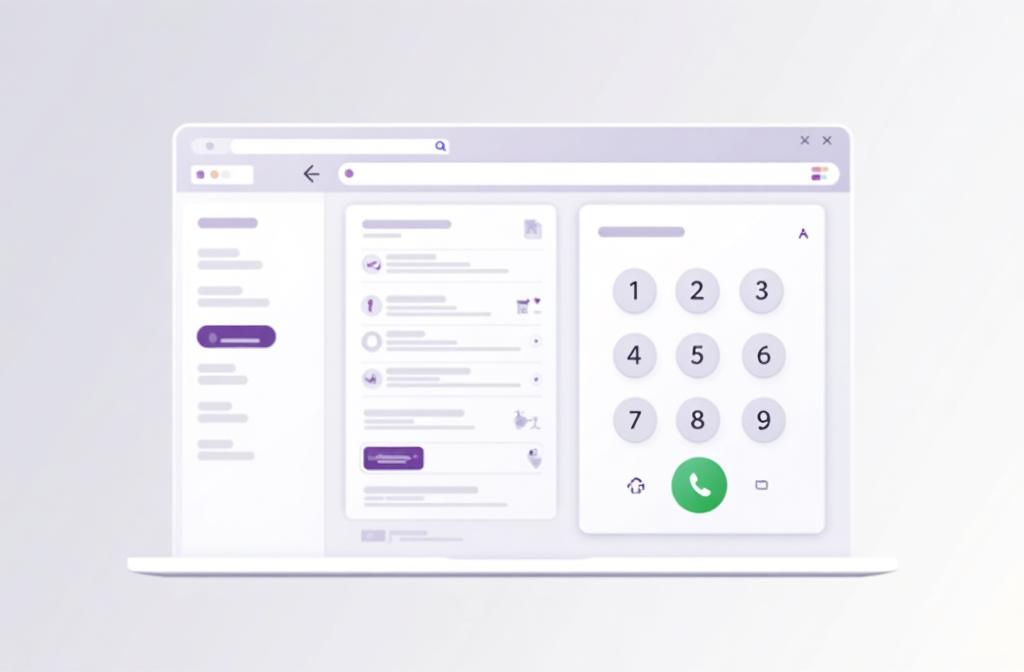
Kixie publicly documents a shared Team SMS workflow with assignment windows, thread locking, internal notes, and templates. That is useful when multiple reps need to work from the same business number without stepping on each other.
See Team SMS →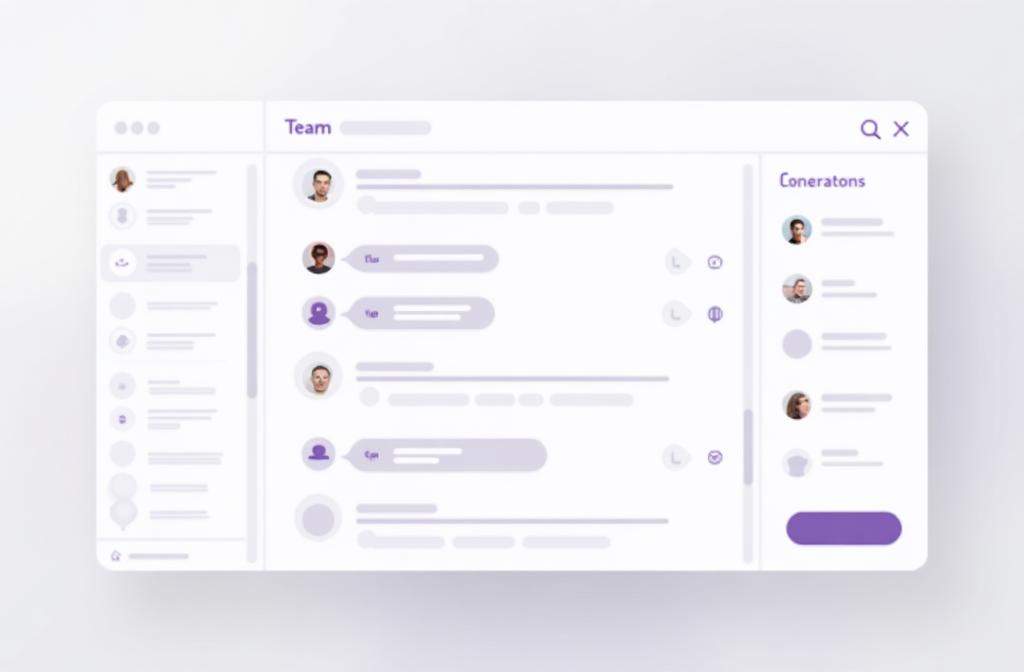
Kixie publishes CRM integrations, CTI, and event-level webhook and API support, which makes it a better fit when the next step after a conversation needs to trigger follow-up, logging, and rep workflow automation fast.
See Webhooks and API →
Genesys deserves clear credit for omnichannel routing, workforce engagement management, compliance and QA tooling, enterprise voice infrastructure, and broad global CX coverage. If those needs matter more than sales-team dialing speed and shared texting workflow, Genesys may be the better fit.
Compare Kixie platform features →
Feature comparisons as of May 31, 2026. Product capabilities and packaging can change, so confirm the latest details directly with each provider.
Kixie is the better fit for sales teams that care more about multi-line dialing, shared Team SMS, CRM-connected follow-up, and simpler onboarding than about enterprise omnichannel service operations.
Genesys is the better fit when you need enterprise CCaaS breadth, omnichannel routing, workforce engagement management, QA and compliance depth, and broader global CX operations.
Kixie has clearer reviewed public documentation for a shared sales-team texting workflow through Team SMS. Genesys frames its digital channels around omnichannel contact centers, with digital channels an add-on on Genesys Cloud CX 1 and included from CX 2.
Genesys publishes Genesys Cloud CX pricing from $75 to $240 per user per month, billed annually, and notes that usage-based pricing may apply. Kixie promotes a 7-day no-credit-card trial and a lighter-weight adoption path for sales teams.
Kixie is strong for CRM-linked calling and event-driven automation, while Genesys is stronger for broad ecosystem and enterprise integration breadth through its AppFoundry marketplace and related integrations positioning.
Last updated October 7, 2026. Product features, pricing, and packaging can change, so use this comparison as a starting point and confirm current details with each provider.
Try Kixie if your team needs faster dialing, shared texting coordination, and CRM-connected follow-up without taking on an enterprise CX deployment.